
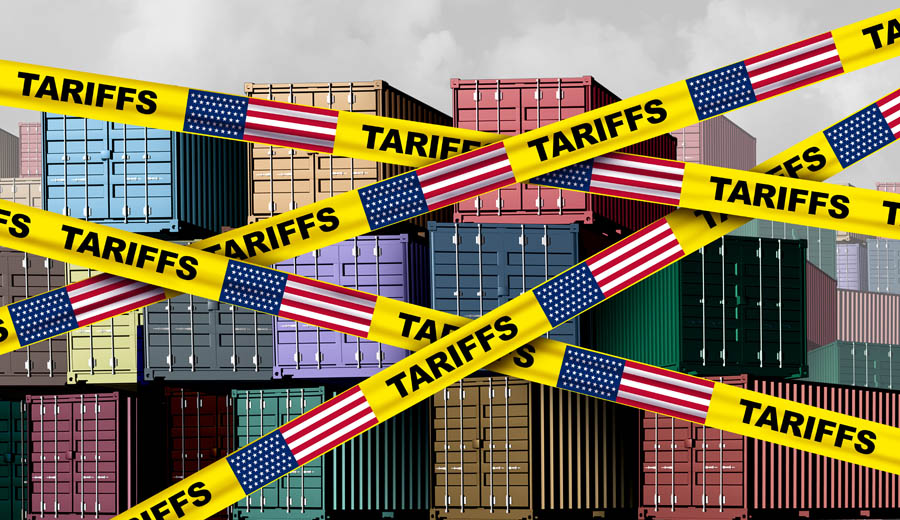
This holiday season, small U.S. retailers are confronting significant supply and cost challenges triggered by tariffs imposed by the Trump administration on imports from China. These tariffs, some reaching as high as 180% before being reduced to around 20%, have introduced a stark dilemma: absorb the rising costs or seek alternate suppliers, which tend to be considerably more expensive. For many small retailers, this gamble has resulted in delayed orders and critically low inventories just as November and December, which can account for about one-third of their annual revenue, approach.
The frequent tariff changes have created unpredictable conditions that disrupt inventory planning. Several smaller companies have struggled to adapt by scouting factories in countries like Thailand, India, and Cambodia, only to find the new production costs up to 20% higher than those in China. The increased expenses and delays mean many small retailers face shortages and risk missing out on peak sales opportunities. Some have lost up to 50% in potential sales due to insufficient stock.
Small businesses are feeling this pressure far more acutely than larger retailers. According to RapidRatings, small retailers with assets under $50 million have seen operating margins plunge to a negative 20.7%, with 36% at high risk of bankruptcy. Large retailers like Walmart and Costco, with better access to resources and scale, are managing these shocks with greater ease. Only about 12% of these bigger firms are at similar financial risk, underscoring the widening gap between small and large retailers in coping with these tariffs.
The impact is not only financial but operational. Faced with soaring import costs and supply uncertainties, many small retailers are reducing product lines or workforce to save money. In some cases, businesses have shifted production partially to domestic locations or other countries to mitigate steep duties. However, these adjustments take time and often do not fully offset the disruptions. The net effect is a strained holiday season outlook for many smaller retailers, facing shortages while also navigating consumer hesitation due to price increases.
Overall, the holiday supply challenges for small U.S. retailers reveal a broader issue in trade and retail dynamics. The tariffs intended to protect domestic industry have instead intensified cost pressures and supply chain vulnerabilities for smaller players who depend heavily on affordable imports. As these businesses try to balance absorbing tariffs or swapping suppliers, the consequences include diminished inventories, compressed margins, and a tougher holiday selling environment.
