
[stock_market_widget type=”card” template=”basic2″ assets=”AAPL” realtime=”true” api=”yahoo-finance”]
Think about the last time you checked smartphone sales rankings. For years, Samsung has held the crown for global shipments, but in 2025, Apple Inc. (NASDAQ: AAPL) is poised to flip that script. According to Counterpoint Research, Apple will ship around 243 million iPhones this year, just ahead of Samsung Electronics Co., Ltd. (KSE: 005930) at 235 million units. That gives Apple a 19.4% slice of the market versus Samsungs 18.7%, the first time Apple leads since 2011. Its not a blowout, but it shows how tight things have gotten at the top.
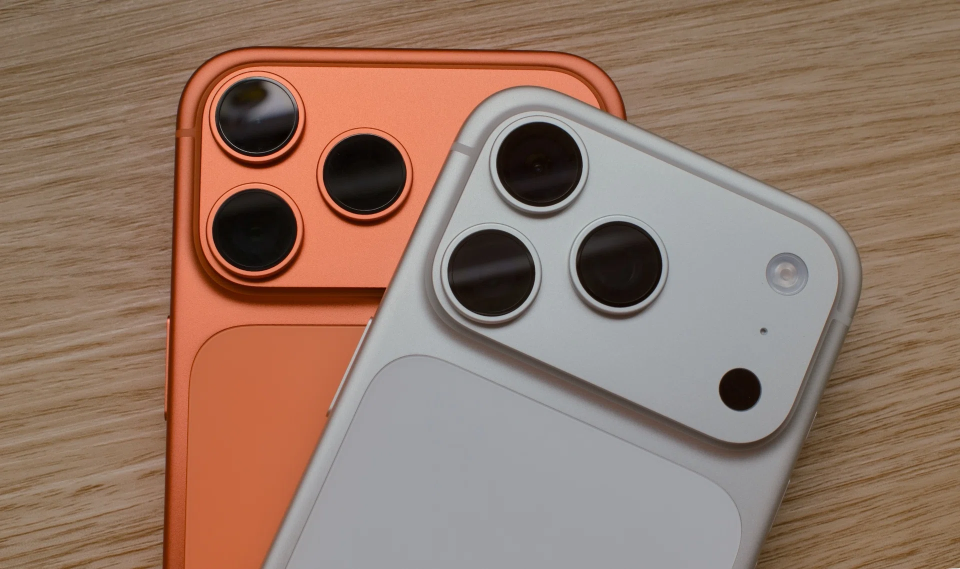
A big part of this comes down to the iPhone 17 series that hit stores in September. People snapped them up faster than last years models, especially the iPhone Air and Pro versions. In the U.S., those first four weeks after launch saw 12% more sales than the iPhone 16 lineup. Over in China, the jump was even bigger at 18% over the predecessor. Those two markets matter a ton for Apple, and the strong start there helped push overall shipments up by about 10% for the year. Counterpoint analysts point out that folks who bought phones during the COVID boom are now ready for upgrades, creating a wave of demand.
You can see this playing out across the bigger picture too. Global smartphone shipments are set to grow around 4% this year, but the real story is in the replacement cycles and regional shifts. Apple benefited from over 350 million used iPhones sold from 2023 to mid-2025, many of whose owners are eyeing new ones. Trade tensions between the U.S. and China have eased a bit, and a softer dollar helped Apples supply chain run smoother. That let them push into places like India and other emerging spots where growth is picking up. Samsung grew too, with a 4.6% shipment increase, but they are feeling heat in cheaper phone categories from Chinese brands like Xiaomi and Vivo.
Samsungs approach covers more price levels, from budget to high-end foldables like the Galaxy Z Fold7, which helped them hold a 19% share in Q3. Still, Apples premium focus and ecosystem lock-in, like iOS perks and Siri updates on the way, keep users coming back. In the U.S., Apple still dominates new sales, though Samsung gained ground to 31% in Q2 thanks to mid-range Galaxy A models. Globally, Android holds 72% of the OS market, but iOS loyalty gives Apple an edge in upgrades.
Looking forward, Counterpoint sees Apple holding the shipment lead through 2029. They expect an entry-level iPhone 17e next year, plus a foldable iPhone and big redesigns by 2027. Samsung will keep innovating with AI features and affordable options, but matching Apples upgrade base wont be easy. This isn’t just about one year; it reflects how consumers want reliable ecosystems over constant variety, and how key markets like the U.S. and China swing the balance.
The smartphone world feels more dynamic than ever. Apples milestone shows smart timing with products, plus some luck on global economics, can reshape old rivalries. Samsungs response will shape what comes next, whether through foldables or mid-tier pushes.
