
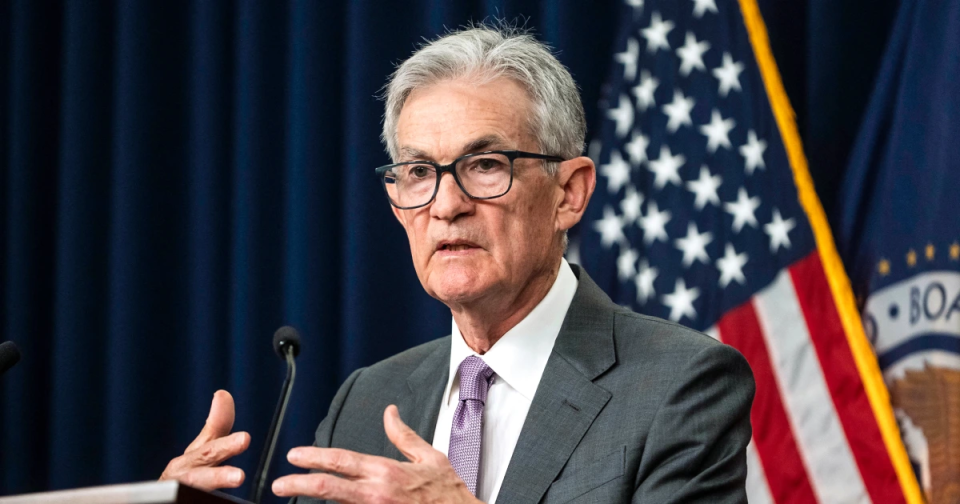
Macroeconomic indicators are aligning to support a U.S. Federal Reserve interest rate cut at its December meeting, the last one of 2025. The CME FedWatch Tool, often reliable in its predictions, shows an 85% to 87% probability of a quarter-point reduction that would bring the federal funds rate to a 3.5% range. Investors see this as a response to cooling inflation pressures and a job market losing some steam, setting up easier borrowing conditions.
Recent macroeconomic data show reasons for such expectations. The labor market, while still adding jobs, has started to show signs of cooling. September’s employment figures reported 119,000 jobs added, fewer than earlier months, and the national unemployment rate rose slightly to 4.4%, the highest since October 2021. This uptick in unemployment indicates more people are seeking work, hinting at some softening labor market conditions.
Inflation has also moderated but remains above the Federal Reserve’s preferred target of 2%. As of September, the annual inflation rate was close to 3%, suggesting that while prices are still rising, the pace has slowed enough to give policymakers some confidence in cutting rates without immediately reigniting price pressures.
The Federal Reserve has acknowledged this mixed but generally softer economic backdrop. John Williams, President of the New York Federal Reserve and influential voice on the Federal Open Market Committee (FOMC), recently signaled that a further policy easing is likely appropriate. He mentioned that monetary policy, while still moderately restrictive, could be adjusted to bring the stance closer to neutral, which balances supporting growth and keeping inflation in check.
Despite the strong probability of a rate cut, some risks remain. The jobs data for October and November will not be published until after the December meeting, leaving the Fed to make decisions without the most current information. This uncertainty has caused some Fed officials and market participants to urge caution, suggesting the central bank could pause to assess more data in early 2026 before continuing to cut rates.
There is also concern that cutting rates too soon might risk reversing gains made against inflation. Inflation remains above target, and wage growth, while moderating, still poses a challenge if it fuels further price increases. The Fed’s so-called dual mandate, to promote maximum employment and stable prices, requires a delicate balance, especially in an economic environment where job growth is cooling but not collapsing.
Wall Street has reacted positively to the idea of cheaper money, with stocks showing strength on expectations of easier financial conditions ahead. A cut to 3.5%, if it occurs, would lower borrowing costs for consumers and businesses, potentially stimulating investment and spending as the economy navigates these uncertain conditions.
As the Fed prepares for its last meeting of the year, markets and investors will closely watch the central bank’s decision and accompanying statements. While the data lines up favorably for a cut, the lack of fresh economic reports adds an element of suspense to what is typically a highly anticipated event. The path forward beyond December will depend heavily on how the economy performs in the coming months and the Fed’s response to evolving inflation and labor market trends.
