
Imagine slipping a ring onto your finger that not only tracks your sleep but also lets you tap to pay at a coffee shop or unlock your front door. That vision drives the next wave in wearables, where devices blend health monitoring with digital payments, keys, and identity verification. Oura Health CEO Tom Hale recently highlighted how biometric wearables could solve secure authentication headaches, though fitting NFC chips into tiny form factors like rings poses real engineering hurdles. Apple leads this space through its smartwatches, which dominate with seamless NFC integration for contactless buys, while Samsung pushes boundaries with its Galaxy Ring aiming for similar capabilities. The market reflects this momentum, valued at $67.75 billion in 2025 and forecasted to hit $148.88 billion by 2030 at a 17.1% compound annual growth rate, according to Grandview Research.
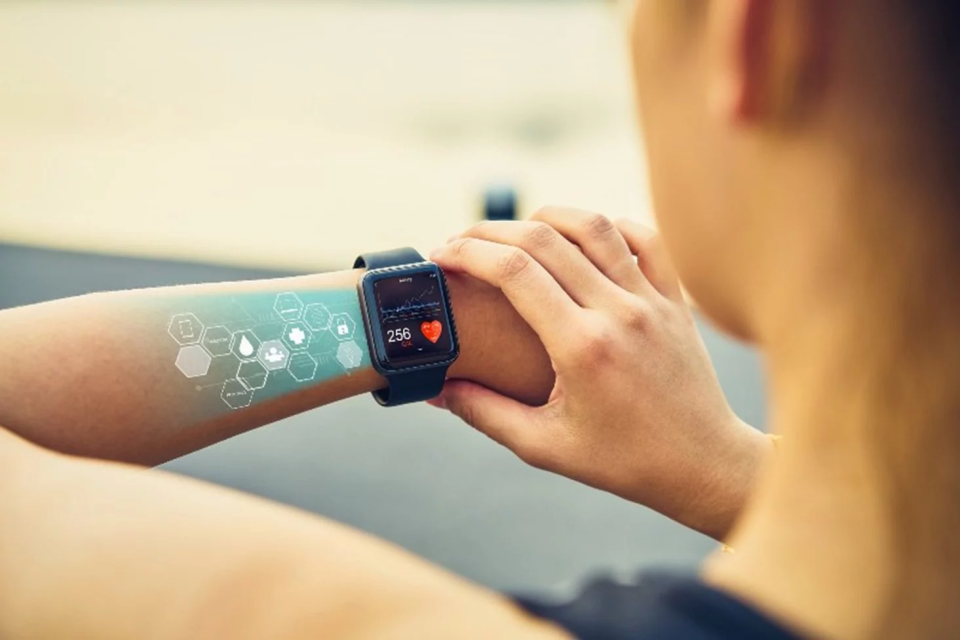
Smartwatches hold the biggest slice right now, thanks to larger batteries and screens that make transaction confirmations straightforward. Apple Watch users, for instance, rely on biometric checks like wrist detection and Face ID equivalents to authorize payments via Apple Pay, adding layers of security beyond just a PIN. Garmin caters to runners and hikers with its Pay feature, linking to banks for quick trailhead purchases without pulling out a phone. Google, through its Fitbit lineup, transitioned users to Google Wallet, emphasizing tokenization where unique codes replace actual card details on every tap to thwart theft. These features appeal to busy professionals who value speed, with retail and transit emerging as prime use cases where leaving your wallet behind feels normal.
Rings represent the exciting frontier, slimmer and less obtrusive than watches, perfect for all-day wear. Oura stands out here, with Hale eyeing NFC upgrades to turn rings into payment and access tools, leveraging finger vein patterns or heart rhythm for foolproof biometrics. Samsung Galaxy Ring experiments with similar tech, though power constraints mean shorter battery life during heavy NFC use. Challenges persist across the board: miniaturizing antennas for reliable signal reads just inches from a terminal, while ensuring devices stay charged for days. Engineers tackle this by optimizing chip designs and software that wakes NFC only on demand, but adoption hinges on solving these without bloating device size.
Security sits at the heart of this evolution, as wearables shift from passive trackers to trusted identity hubs. Banks favor biometrics over passwords, projecting 68% of transactions to use them by year-end, since faking a live heartbeat proves near impossible. Enterprises eye wearables for employee badges, where a wrist tap grants building access or logs into systems, cutting lost keycard costs. Privacy concerns linger, with data encryption and user controls becoming standard to prevent hacks. Payment networks like Visa and Mastercard partner deeply, rolling out virtual cards that refresh tokens per use.
Regulatory nods and 5G networks will accelerate this, enabling faster verifications over cellular without phones nearby. Asia-Pacific leads growth at over 20% yearly, fueled by dense urban transit and government-backed point-of-sale upgrades. North America owns the largest share at nearly 30%, driven by fitness culture and early NFC infrastructure. Expect hybrid devices soon, merging rings with implants for ultimate seamlessness, as consumers demand tools that simplify life without compromise. Wearables promise a world where your body verifies you, quietly handling money, doors, and data along the way.
