
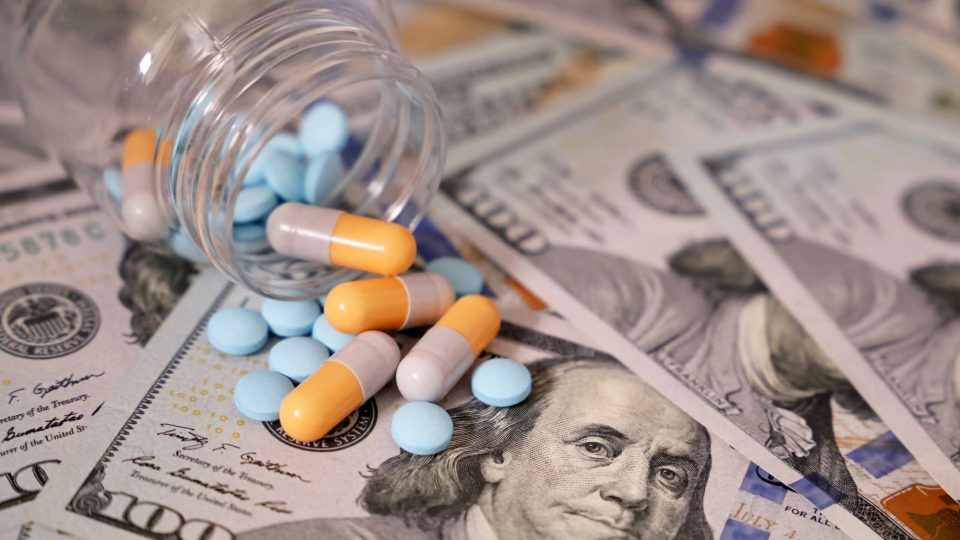
Medicare is set to significantly lower the prices it pays for 15 costly prescription drugs, a move expected to reduce out-of-pocket expenses for millions of beneficiaries while trimming overall program spending. These drugs, used to treat major conditions such as diabetes, obesity, cancer, asthma, and other chronic illnesses, represent a substantial portion of Medicare Part D prescription drug costs. The new negotiated prices will take effect January 1, 2027, marking the second cycle of price negotiations under the Inflation Reduction Act’s Medicare Drug Price Negotiation Program.
The negotiated discounts average 44% off what Medicare would have otherwise paid in 2024, amounting to a potential $12 billion in savings for the program if those prices had been in effect last year. For the more than 5 million Medicare Part D beneficiaries using these medications, the reduced prices translate to roughly $685 million saved in out-of-pocket costs. These price cuts follow a first round of negotiations covering 10 drugs, effective in 2026, which also resulted in significant savings for beneficiaries and taxpayers.
Among the drugs with drastically reduced prices are some of the most expensive and widely used treatments for diabetes and obesity, including Ozempic, Wegovy, and Rybelsus produced by Novo Nordisk Inc. (NYSE: NVO). These popular medications, which currently fetch list prices close to $1,000 per month, will see prices drop by about 71%, lowering the cost to approximately $274 per month. Beyond metabolic diseases, the list includes therapies for cancer such as Xtandi, Pomalyst, Ibrance, and Calquence, each vital for treating various cancers but previously associated with high costs that burden Medicare and patients alike.
The scope of the negotiations extends to asthma treatments like Trelegy and Ofev, as well as drugs prescribed for gastrointestinal conditions, neurological disorders, and psychiatric conditions. With many of these drugs being single-source brand-name products without generic or biosimilar counterparts, these negotiations have created a rare opportunity for Medicare to push back on the intense costs of monopoly pricing that often characterize breakthroughs in chronic disease treatments.
The Centers for Medicare & Medicaid Services (CMS) conducted months of negotiations, reviewing evidence and proposals from drug manufacturers before settling on these new prices. In some cases, drugmakers submitted revised offers after initial proposals, while in others, CMS issued final written offers that manufacturers accepted. The process reflects a strategic shift mandated by the Inflation Reduction Act, empowering Medicare to negotiate directly with pharmaceutical companies, a power it lacked previously.
This round of negotiations also highlights a departure from earlier expectations where some of the costliest cancer drugs were expected to be excluded due to relatively low existing rebates. Instead, the inclusion of multiple cancer medications signifies an aggressive approach to addressing high drug prices in areas with limited competitive pressure. The administration emphasizes the benefits of these negotiations in easing the financial impact on Medicare recipients, many of whom rely on these drugs for chronic and life-threatening conditions.
These changes arrive amid ongoing debates over drug pricing policy, with bipartisan support recognizing the widespread concern about the affordability of prescription medications. Medicare’s new negotiation framework is designed not only to reduce immediate costs but to set a precedent for fair pricing in the pharmaceutical market. For beneficiaries, this means more predictable and manageable medication expenses, potentially improving adherence and health outcomes.
The release of these prices in late 2025 allows plans covered under Medicare Part D and Medicare Advantage with prescription drug benefits to prepare for the implementation starting in 2027. While administrative and logistical adjustments will be necessary, the expectation is that the lower prices will be available through all qualifying Part D plans, helping to standardize access to these savings across the country.
This second round of Medicare drug price negotiations serves as a clear signal of the government’s growing role in managing pharmaceutical costs. By focusing on some of the most expensive and essential drugs, the program aims to create significant financial relief for seniors and taxpayers alike while fostering a more sustainable prescription drug system over time.
