
[stock_market_widget type=”card” template=”basic2″ assets=”DLTR” realtime=”true” api=”yahoo-finance”]
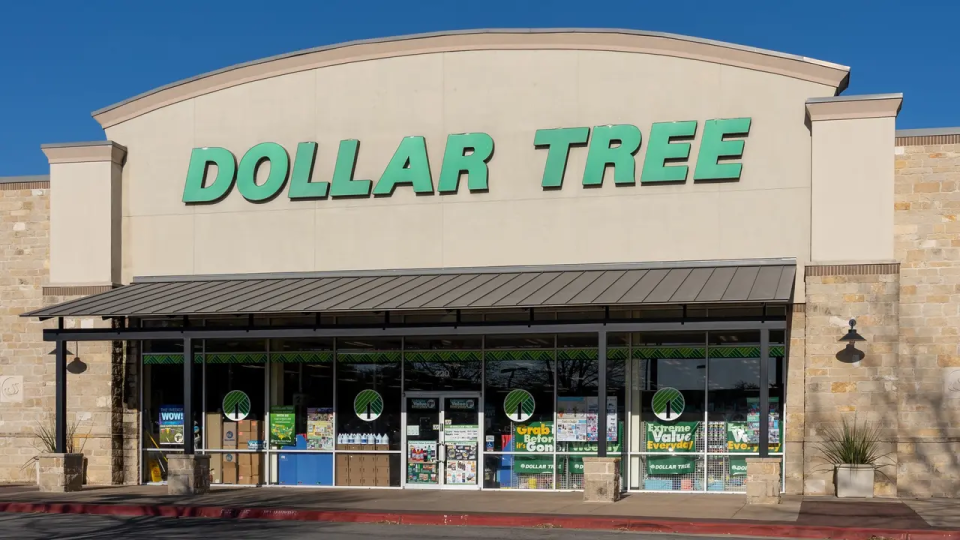
Walk into any strip mall or shopping center these days, and you might notice something shifting. Empty storefronts that sat idle for years now buzz with fresh signage from familiar names. Dollar Tree, Inc. (NASDAQ: DLTR) and Tractor Supply Company (NASDAQ: TSCO) lead this quiet resurgence, snapping up vacant spaces even as interest rates hover around 4.5% and inflation nibbles at consumer wallets. Their moves signal a broader trend where certain chains see opportunity in spots left behind by struggling peers.
Consider the backdrop. National retail vacancy rates crept up to between 4.3% and 5.8% in recent quarters, reflecting softer demand in some segments. Big-box closures from chains like Big Lots fueled this, with hundreds of locations shuttered after bankruptcy filings earlier this year. Yet low overall supply in prime areas means these spaces fill fast, often through adaptive reuse where operators tweak layouts for smaller footprints or niche needs. Dollar Tree plans around 300 new stores in 2025, many in repurposed sites, while Tractor Supply targets 90 to 100 openings, including at least 18 former Big Lots addresses. This contrasts sharply with the 500-plus Big Lots closures, highlighting how discounters thrive where others falter.
Dollar Tree focuses on multi-price formats to draw budget shoppers hit by rising costs. The chain eyes same-store sales growth of 3% to 4% and reports quarter-to-date gains of 3.8%. Tractor Supply, meanwhile, caters to rural lifestyles with tools, pet supplies, and farm gear. It operates over 2,270 stores across 49 states and pushes toward 3,200 long-term through its “Life Out Here” strategy, adding garden centers and loyalty perks for its 37 million members. Both benefit from quick leases in high-traffic zones where vacancies dropped in power centers by low single digits.
Other players join in. Five Below aims for 150 new spots this year with refreshed layouts for easier shopping. Quick-service eateries and fitness outfits also target these voids, drawn by stable rents and foot traffic from nearby anchors. Discount formats and lifestyle retailers dominate, as they adapt big-box shells with minimal changes, like subdividing for petsense shops or value aisles. Economic headwinds persist, but selective expansion keeps rents from spiking, with national averages flat or down slightly.
This pattern underscores retail’s resilience. Chains that match shopper priorities, from bargains to backyard needs, move decisively into available real estate. Vacant spaces turn into revenue generators, proving that in a choppy economy, the right fit endures. Operators watch demand signals closely, betting targeted growth outpaces broader pressures.
