
[stock_market_widget type=”card” template=”basic2″ assets=”DG” realtime=”true” api=”yahoo-finance”]
Imagine walking into your local dollar store on a tight budget, grabbing milk, bread, and a few cleaning supplies without breaking the bank. That is the scene playing out across America right now, and Dollar General Corporation (NYSE: DG) just reported numbers that highlight it perfectly. Their third quarter brought in strong results, enough to nudge their full-year profit forecast higher, thanks to steady demand for those basic items and some smart moves on costs. Shares jumped more than 7% in early trading today, a clear sign investors saw the same spark.
This is not just one company’s win. It points to something bigger in the economy, where people lean on affordable essentials when uncertainty lingers. Inflation may have cooled a bit, but wallets still feel the pinch from higher living costs, pushing shoppers toward value retailers. Dollar General saw sales climb as customers stocked up on consumables like food and household goods, items that people buy no matter the headlines. Cost reductions helped too, from trimming supply chain expenses to keeping stores lean. These factors combined to beat expectations, showing how retailers focused on low-income and rural areas hold up when broader spending slows.
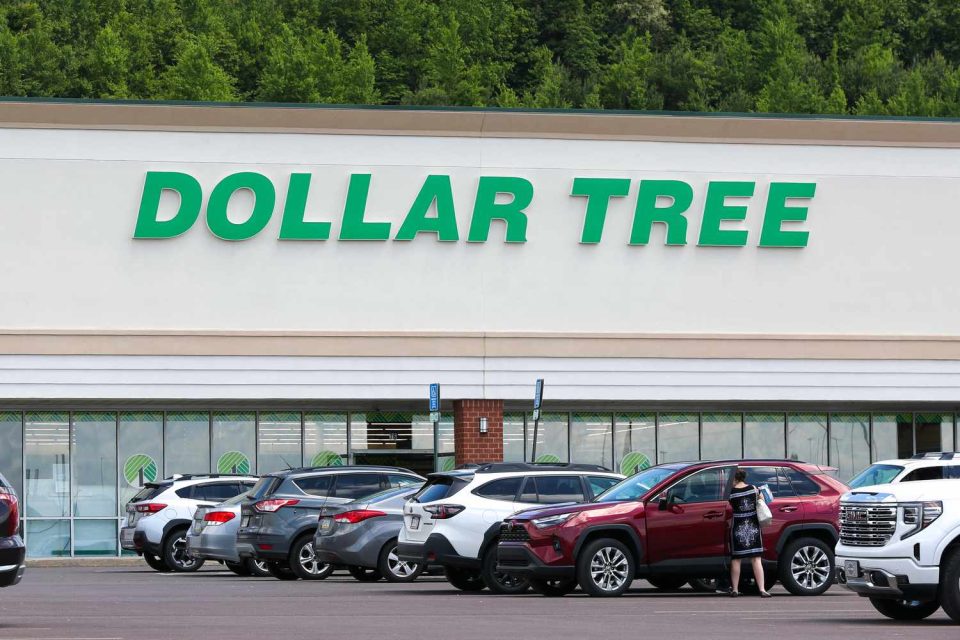
Now, consider if this trend spreads across other dollar stores. Dollar Tree, Inc. (NASDAQ: DLTR) faced a mixed quarter recently, with some locations closing and sales growth lagging behind Dollar General’s pace. They deal with similar customers but emphasize even cheaper fixed-price items, which can limit flexibility when costs rise. Still, their essential goods segment grew, mirroring the demand Dollar General tapped. Family Dollar, under Dollar Tree’s umbrella, struggles more with urban competition but benefits from the same thrift mindset. Competitors like Ollie’s Bargain Outlet Holdings, Inc. [(NASDAQ: OLLI) report gains in closeout deals on necessities, suggesting the pattern holds. Across the board, these chains thrive because they serve the 40% of U.S. households earning under $50,000 a year, who prioritize needs over wants.
What makes this economic signal noteworthy goes beyond one earnings call. When middle and lower-income consumers keep buying paper towels and canned goods, it underscores resilience in the basics of daily life. Broader retail giants like Walmart Inc. [(NYSE: WMT) see similar upticks in their value aisles, but dollar stores capture it purest because that is their whole model. Economic data backs this: personal consumption expenditures for nondurable goods held steady at around 2% growth year-over-year, even as discretionary spending dipped. For business watchers, it hints that recovery might start from the bottom up, with everyday needs pulling the rest along.
Dollar General’s moves reflect a calculated bet on this reality. They plan to open more stores in rural spots, where competition stays light and loyalty runs deep. Rivals will likely follow, tweaking inventory to match what data shows people crave most. As trade policies shift under the Trump Administration and interest rates hover, these retailers offer a steady pulse on consumer sentiment. Keep an eye on their next reports; they tell the real story of how the economy feels on Main Street.
