
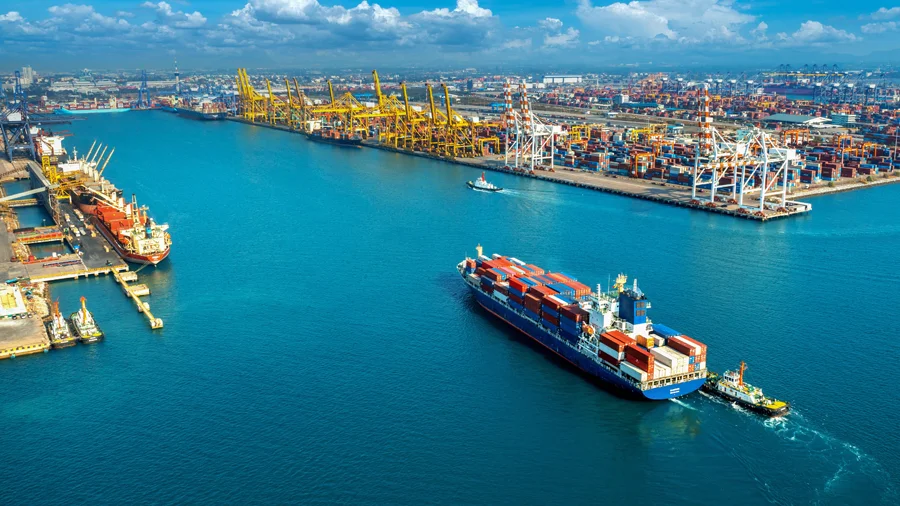
Countries that trade heavily with the U.S. increasingly pursue free trade agreements elsewhere to blunt the effects of rising American tariffs. Mexico, for instance, has deepened ties with the European Union and Canada through updated pacts, while Vietnam accelerates deals with Japan and South Korea to redirect electronics and textile flows. Canada explores broader Pacific partnerships, and even European nations like Germany push African and Asian links to offset potential U.S. duties on autos and machinery. This pattern reflects a broader adaptation, where exporters seek stable outlets amid U.S. policies under President Trump that doubled certain tariffs to 50% by late summer 2025. India fits squarely into this shift, ramping up its own negotiations to protect jobs and revenues in key sectors.
India’s commerce ministry now prioritizes sealing deals with multiple partners over the coming months. Officials in New Delhi hold advanced discussions with the European Union, New Zealand, and Chile, while a pact with Oman nears signature this week. These moves come directly after U.S. tariffs hit 50% on Indian goods like textiles, jewelry, shrimp, and auto parts in August 2025, squeezing labor-intensive industries that rely on American buyers. Exporters in apparel and metals report order drops of up to 20%, prompting factories to scout alternatives in Europe and the Gulf.
The strategy centers on economic resilience through diversification. By locking in lower tariffs via free trade agreements, India opens doors for pharmaceuticals, IT services, and steel into wealthier markets. The recent India-EFTA deal, effective October 1, 2025, with Switzerland, Norway, Iceland, and Liechtenstein, promises tariff cuts on watches and chocolates in exchange for European investment pledges worth billions over 15 years. Talks with the EU target similar gains in machinery and green tech, while Oman offers a foothold for petrochemicals and gems in the Middle East. New Delhi’s Foreign Trade Policy 2025 supports this by easing duty-free imports for export producers and expanding remission schemes like RoDTEP, which refunds embedded taxes to keep goods competitive.
This approach builds on earlier successes. India-UAE ties already boost electronics and jewelry flows, and the UK Comprehensive Economic and Trade Agreement from earlier in 2025 eases market access for services. Negotiations with the U.S. continue but stall over agriculture and dairy, leaving India firm on protecting local farmers. Meanwhile, Gulf visits by Prime Minister Modi strengthen port links and energy swaps, turning regional neutrals into reliable outlets.
Other nations mirror India’s playbook with nuance. Vietnam leverages its CPTPP membership to ramp up phone assembly for Japan, offsetting U.S. electronics duties. Mexico uses USMCA flexibilities but adds EU auto pacts to hedge against border taxes. These efforts collectively stabilize supply chains, though challenges persist in services and rules of origin. For India, success hinges on quick closures, as delays could deepen factory slowdowns before mid-2026 recovery.
India’s export hubs in districts like Tirupur for textiles and Noida for electronics stand to gain most, with government data showing 19% more preferential certificates issued under existing pacts in fiscal 2025. As global uncertainties linger from U.S. reciprocity demands and BRICS dynamics, these agreements foster long-term growth. Exporters gain breathing room, investors eye new opportunities, and policymakers balance autonomy with openness. The path ahead tests execution, but the direction points to a more multipolar trade map.
