
[stock_market_widget type=”card” template=”basic2″ assets=”V” realtime=”true” api=”yahoo-finance”]
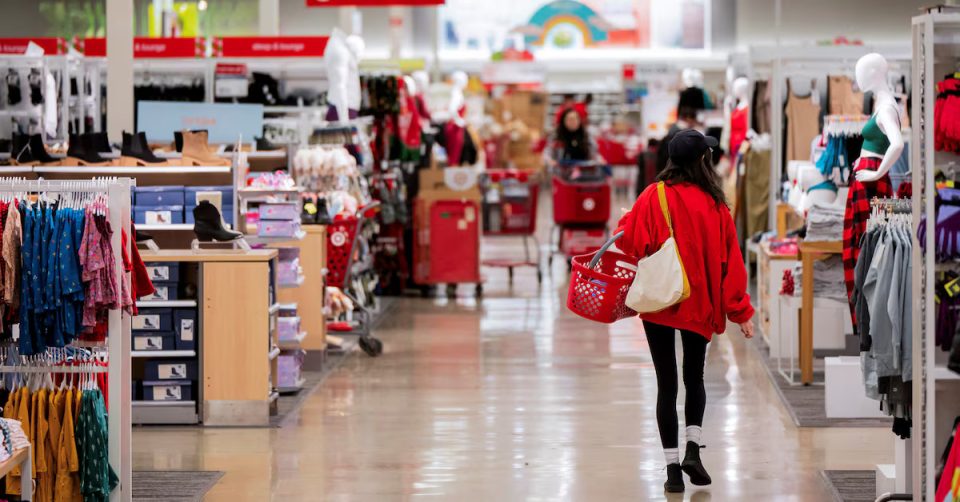
Visa Inc. (NYSE: V) just shared its take on holiday shopping, and the numbers paint a picture of shoppers who are not backing down. For the first seven weeks of the season, from mid-October through early December, sales rose 4.2%. That covers a time when people start filling carts with gifts and treats, even as everyday costs stay high.
Think about what that means for someone new to watching these patterns. Holiday data like this comes from billions of card swipes, giving a real-time pulse on what people buy. Visa tracks payment volumes across stores, online, and everywhere in between. This year, the uptick shows up clearly in technology and apparel, two areas where folks often splurge when they feel okay about their wallets. Gadgets like new phones or laptops pulled in extra spending, while clothes for parties or gifts saw a nice bump too.
Why tech and apparel specifically? Electronics tend to draw buyers looking for deals on upgrades, especially with promotions starting earlier. Apparel works the same way. People refresh wardrobes for the season or grab outfits for family events. These categories beat out groceries or gas, which stayed flat. It suggests households prioritized fun over just getting by, a shift after tighter budgets the past couple years.
Retailers kicked off sales sooner to grab attention before the rush. Black Friday previews and online flash deals spread purchases across more weeks. That timing boosted the early numbers, but a 4.2% rise still beats last year’s pace in similar periods. Inflation eased a bit, and steady jobs helped people stretch dollars further. Wage gains kept pace in many spots, letting shoppers add extras without maxing cards right away.
Now, does this point to a trend that sticks around into 2026? Holiday spikes often fade after January, when bills hit and resolutions kick in. Yet this gain feels grounded. It sits above 3% from prior off-peak quarters but below the 6-8% booms of easier times. Tech and apparel strength hints at confidence in those areas, where new releases and trends keep demand alive year-round. If people keep eyeing gadgets and clothes post-holidays, transaction flows could hold steady.
Credit use tells part of the story too. Balances climbed lately, but delinquency rates sit low. Shoppers lean on cards for rewards or convenience, especially digital ones. That habit grew through 2025, with contactless taps everywhere. Visa benefits directly, as more swipes mean more fees. For the broader economy, steady spending like this supports growth without overheating.
Challenges linger, of course. Higher interest rates nibble at take-home pay, and any job wobbles could tighten belts fast. Still, this data shows adaptation. Families hunt value, mix online and in-store buys, and focus on joy amid pressures. Apparel and tech lead because they blend need with want, like better work-from-home setups or festive looks.
Looking ahead, expect measured consumer activity through early 2026. First-quarter reports will test if holiday energy carries over. Retailers watch these Visa updates closely, adjusting stock for what works. For now, the 4.2% signals shoppers plan to keep participating, not just spectating. That balance could define the year, keeping things stable rather than stagnant.
