
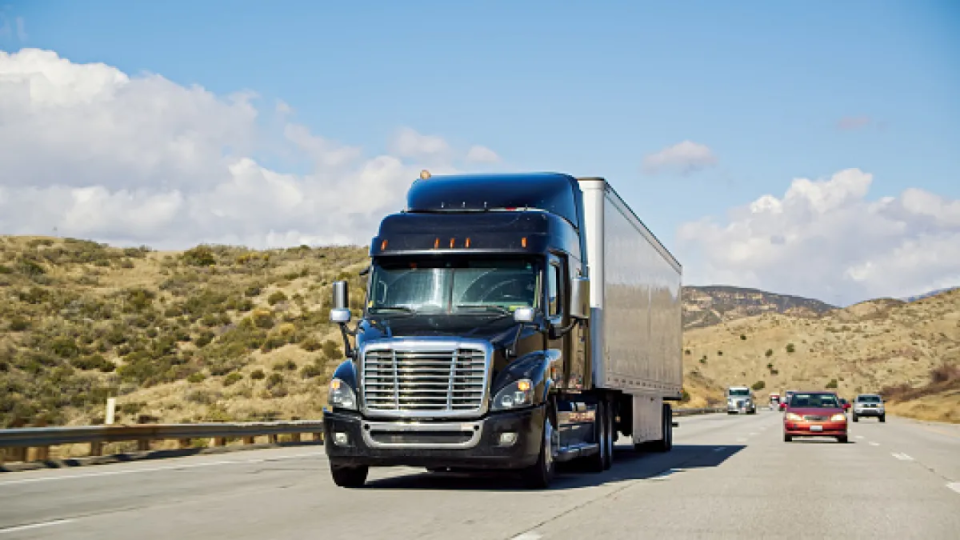
California finds itself at odds with federal transportation leaders over commercial driver’s licenses issued to immigrants. The state delayed revoking 17,000 such licenses, a move that prompted federal officials to withhold $160 million in funding, on top of $40 million already held back. This tension reveals deeper divides between state autonomy and national safety mandates in the trucking world.
The story begins with a federal audit sparked by high-profile crashes, including one in Florida where an unauthorized immigrant trucker caused fatalities. Investigators discovered that California had allowed licenses to remain valid well past visa expirations, with over 25% of a sampled group found unlawful. Some went to drivers from Mexico and Canada who did not qualify under federal rules. English proficiency checks for truckers also fell short, a requirement rooted in ensuring clear communication during emergencies on busy highways.
Transportation Secretary Sean Duffy made his stance clear. He views these licenses as a safety risk, arguing they put unqualified drivers behind the wheel of massive rigs. In November, California agreed to revoke the licenses by early January, leading Duffy to pause the larger penalty at first. But when the state extended the deadline to March amid lawsuits from immigrant advocacy groups like the Sikh Coalition, federal patience ran out.
State officials see the matter differently. The California Department of Motor Vehicles insists it follows all regulations and calls the funding cut a threat to public safety. Without those dollars, road maintenance and improvements could suffer, affecting everyone from commuters to freight haulers. Governor Gavin Newsom’s office pointed to ongoing talks with federal regulators, framing the delay as a measured response to legal challenges.
Advocates for affected drivers, many of them Punjabi Sikhs prominent in trucking, argue the revocations unfairly single out communities. They filed class-action suits claiming bias, especially after two fatal incidents spotlighted Sikh drivers. Federal Motor Carrier Safety Administration head Derek Barrs rejected the extension outright, stating the state left thousands of noncompliant drivers on roads in open defiance.
Industry groups have weighed in strongly. Trucking trade organizations praise the federal crackdown, seeing it as a long-overdue fix for loopholes. Todd Spencer, president of the Owner-Operator Independent Drivers Association, noted that such gaps have endangered professional truckers and the public alike. The American Trucking Associations echoed this, highlighting risks from drivers lacking proper qualifications or language skills.
These perspectives matter because trucking powers California’s economy. The state handles a huge share of U.S. port traffic and agriculture freight, relying on a steady flow of qualified drivers. Losing 17,000 licenses could tighten supply chains, raise shipping costs, and strain logistics firms already grappling with labor shortages.
This dispute fits a larger pattern. Duffy has targeted multiple states, from Texas to Washington, over similar audit findings. Federal rules demand states align with national standards for commercial licenses, tied to immigration status and safety protocols. California’s approach reflects its broader stance on immigrant rights, including laws easing driver’s licenses for undocumented residents since 2015.
For businesses, the stakes extend beyond one state. Withheld funds strain budgets for highway projects nationwide, potentially slowing infrastructure upgrades. Trucking firms might face higher insurance or hiring hurdles if driver pools shrink, nudging up costs for goods from groceries to electronics.
California’s logistics sector, a backbone for West Coast trade, now braces for fallout. Ports like Los Angeles and Long Beach move billions in cargo yearly, and any driver shortage could clog routes and delay deliveries. Small fleets might struggle most, unable to absorb revocations without hiring delays or overtime spikes. Federal pressure could also spur stricter training schools, weeding out weak programs but raising entry barriers.
As lawsuits play out and audits continue, trucking companies watch closely. Some may pivot to out-of-state hires or automation tech to offset gaps. The funding loss hits hardest where roads need repair most, indirectly hiking operational costs for all players in the supply chain. This clash underscores how policy at the state-federal line shapes everyday business realities.
