
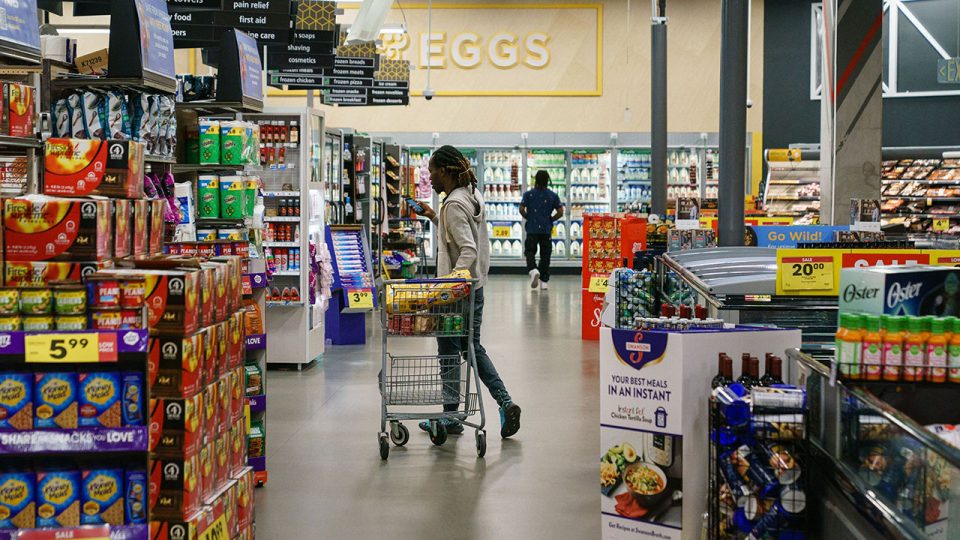
Price growth in the United States slowed modestly at the end of 2025, showing a gradual return to steadier conditions after a year of uneven economic signals. According to the Bureau of Labor Statistics, the core consumer price index, which excludes volatile food and energy costs, rose 0.2% in December from November and 2.6% from a year earlier. The figures came in slightly below expectations, suggesting that underlying inflation pressures continue to ease, even if the path toward full stability remains uneven.
For readers less familiar with the term, the core CPI is an inflation measure economists track closely because it filters out categories with large short-term fluctuations. It provides insight into persistent price trends that shape everyday costs for consumers and affect long-term business planning. When that figure rises slowly, as it did in December, it generally indicates cooling inflation.
Headline consumer prices, which include all goods and services, climbed 0.3% during the month and 2.7% over the past year. These readings matched widely cited analyst forecasts, reinforcing the idea that inflation’s recent moderation is holding up. Still, not every category moved in the same direction. Food prices rose 0.7% for the month, driven by increases in meats, dairy, and produce. The only major outlier was eggs, which fell 8.2% in December and nearly 21% compared with a year earlier after soaring previously.
The latest data points to progress rather than a completed victory. The inflation rate has fallen sharply since the highs of 2022, but lingering cost pressures in areas such as housing, insurance, and services have kept the Federal Reserve cautious about declaring price stability fully restored. Economists describe these segments as “sticky” because they adjust more slowly to policy changes and demand shifts.
From a policy standpoint, slower inflation opens the door to discussion about whether interest rates might ease later in the year, though the Federal Reserve typically looks for consistent improvement over multiple months before adjusting its stance. Central bankers study not just the monthly CPI figures but also metrics such as wage growth and consumer spending before making such moves. By ending 2025 with inflation near 2.5%, the U.S. economy is moving closer to the Federal Reserve’s target zone, but ongoing evaluations will likely continue through the first half of 2026.
For everyday households, modest price gains offer some welcome relief after years of volatility. Grocery bills remain relatively high compared with pre-pandemic levels, but the pace of increases has eased, and energy prices stayed mostly stable through the winter. Businesses, too, can benefit from predictability. More stable prices allow manufacturers and retailers to plan inventories and contracts with greater confidence, helping them maintain margins without abrupt price changes to consumers.
Despite the progress, challenges persist. Rent and shelter costs, which make up a large share of the CPI basket, continue to climb slowly. Health care and auto insurance premiums have also remained elevated. These categories may keep average inflation running slightly above the Federal Reserve’s 2% target for some time. Analysts generally see a firm downward trend, but they caution that any renewed jump in oil prices or supply disruptions could quickly affect headline inflation again.
Ultimately, December’s inflation report represents gradual improvement. Consumer price growth is cooling without signs of a sharp economic slowdown, a combination many hoped to see after the turbulence of the previous two years. Whether this momentum continues depends on how businesses, consumers, and policymakers navigate the early months of 2026.
