
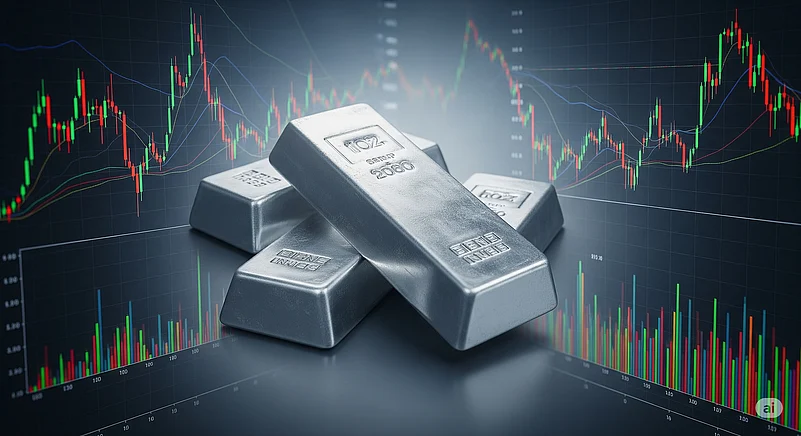
Silver prices have shot up quickly over the last four trading days. From a low of $75.15 per ounce, to an intraday high today of $92.19, marking an increase of more than 22%, in a short span. Year-to-date, silver now sits up over 200% from levels near $29.90 a year ago, though this four-day burst stands out for its speed. Spot prices, which represent the immediate market rate for physical delivery, drive these figures and serve as a benchmark for buyers worldwide.
Several factors fuel this ongoing rise. Softer U.S. consumer price index data hints at controlled inflation, yet investors still flock to silver as a hedge against broader economic uncertainty. Geopolitical tensions, including issues tied to Iran, add to the safe-haven appeal, much like gold but with sharper swings. Industrial demand plays a big role too. Silver’s use in solar panels, electronics, and healthcare devices keeps pulling in buyers, especially as supply chains face constraints from mining output limits. The gold-silver ratio tightening to around 52 shows silver outperforming gold lately, blending investment demand with these practical needs.
Supply tightness amplifies the effect. Global mine production has not kept pace with consumption, particularly from green energy sectors where silver enables photovoltaic cells in solar setups. Reports note persistent physical demand alongside speculative trading, pushing futures contracts higher. Investor interest spills over from gold’s rally near $4,600 per ounce, but silver’s dual role as both a store of value and industrial metal gives it extra lift during momentum phases.
Silver miners reap direct rewards from these higher prices. Firms that extract and sell the metal see revenue jump as spot values climb, often faster than their costs rise. For example, Pan American Silver Corp. (NYSE: PAAS, TSX: PAAS) benefits from operations across the Americas, where output translates to stronger cash flows at $92 levels versus $75. This price lift improves profit margins, funds exploration, and attracts shareholder capital to expand production. Other producers similarly gain, turning market gains into operational wins that support dividends or debt reduction.
Trading volumes spiked during this run, with futures like March 2026 contracts showing heavy activity around $89 to $92 ranges. The year high now matches today’s intraday top, signaling potential for more if momentum holds. While spot prices guide physical trades, premiums apply for coins, bars, or jewelry, making the raw ounce price a core reference. Silver’s volatility outpaces gold’s due to its smaller market size, yet that same trait draws traders chasing quick returns.
Commodity watchers note parallels to past rallies driven by similar mixes of fear and fundamentals. Central banks buy less silver than gold, so private demand dominates here. As electronics and renewable energy grow, that industrial pull looks set to persist. Miners and investors alike eye sustainability in this uptrend. Higher prices encourage new projects but also test whether demand can absorb increased supply over time. Silver’s path forward hinges on how these forces balance amid global shifts.
