
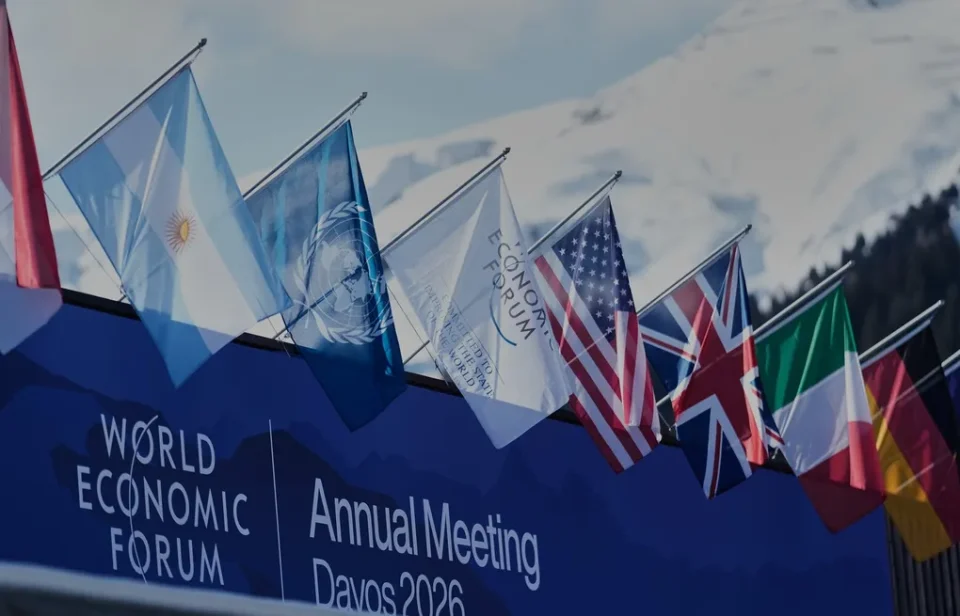
Every January, the mountains around Davos, Switzerland, turn into a hub where some of the most powerful people on the planet gather. The World Economic Forum, often just called the WEF or Davos meeting, kicks off its main annual event from January 19th to 23rd. This is not a casual ski trip for the rich. It serves a clear purpose: to create a space for leaders from governments, businesses, and other fields to talk face to face about the biggest challenges facing the world economy and society. Think of it like a neutral ground where rivals sit down, ideas clash, and sometimes deals get made away from the usual headlines.
The forum started back in 1971, founded by Klaus Schwab, a German economist who wanted a place for European managers to learn from their American counterparts. Over the decades, it grew into something much bigger. Today, its goal centers on improving the state of the world through public-private cooperation. Organizers describe the 2026 theme as “A Spirit of Dialogue,” which reflects a push for open talks at a time when global tensions run high. Sessions cover everything from trade wars and climate shifts to artificial intelligence and conflicts like those in Ukraine or the Middle East. No binding decisions come out of it. Instead, the real work happens in informal chats over coffee or fondue, where trust builds and partnerships form.
Attendance numbers for 2026 hit record highs, with close to 3,000 people from over 130 countries expected. Governments send their heaviest hitters: around 65 heads of state or government, including six from the G7 group. The President leads the largest American delegation ever, joined by top officials like Secretary of State Marco Rubio and Treasury Secretary Scott Bessent. Other key figures include Canada’s Prime Minister Mark Carney, Germany’s Chancellor Friedrich Merz, France’s President Emmanuel Macron, and Ukraine’s President Volodymyr Zelenskyy. China sends Vice Premier He Lifeng, while leaders from Argentina, Indonesia, and Syria will also be there.
Business plays a huge role too, with nearly 850 CEOs and chairs from major companies. Tech stands out this year. Nvidia CEO Jensen Huang, Microsoft CEO Satya Nadella, Amazon CEO Andy Jassy, and leaders from Anthropic, Meta, and Google DeepMind plan to attend. These executives represent firms driving changes in AI, cloud computing, and more. Add in about 100 heads of fast-growing unicorn startups and tech pioneers, plus experts from nonprofits, unions, and groups like the World Bank or IMF. The mix creates a room full of contrasts: politicians eyeing votes, CEOs chasing profits, and activists pushing for change.
This blend of people leads to real impacts, both good and bad. On the positive side, Davos sparks collaborations that matter. Past meetings birthed ideas behind global health initiatives or trade pacts. In 2026, expect talks on AI ethics to influence regulations, or climate pledges to unlock billions in green investments. Business leaders often leave with new partnerships; a CEO might seal a supply chain deal with a foreign minister over dinner. The event also spotlights issues for the public, like how tariffs could raise prices worldwide or why energy transitions create jobs in some places but pain in others. Studies show follow-up actions from these talks contribute to economic growth in developing regions through shared knowledge.
Critics point out downsides, though. The high cost of attendance, around $250,000 for some corporate memberships, keeps out smaller voices, making it feel like an elite club. Protests often line the streets, calling it out of touch with everyday struggles like inflation or inequality. Decisions made in cozy sessions can favor big corporations over workers, leading to policies that widen gaps. Geopolitical rifts sometimes stall progress; think U.S.-China trade spats or Middle East divides. Security is tight, with streets closed and helicopters overhead, which underscores how divisive these gatherings can be. Still, the forum’s neutrality lets tough conversations happen where they might not elsewhere.
Nvidia CEO Jensen Huang and Microsoft CEO Satya Nadella highlight how tech giants use Davos to scout talent and align on standards. Such interactions often lead to industry-wide shifts, like faster AI safety protocols.
The event wraps up midweek, but ripples last all year. Leaders head home with fresh perspectives, even if agreements stay private. Davos shows how a snowy Swiss village can nudge the world forward, one conversation at a time.
