
[stock_market_widget type=”card” template=”basic2″ assets=”GOOGL” realtime=”true” api=”yahoo-finance”]
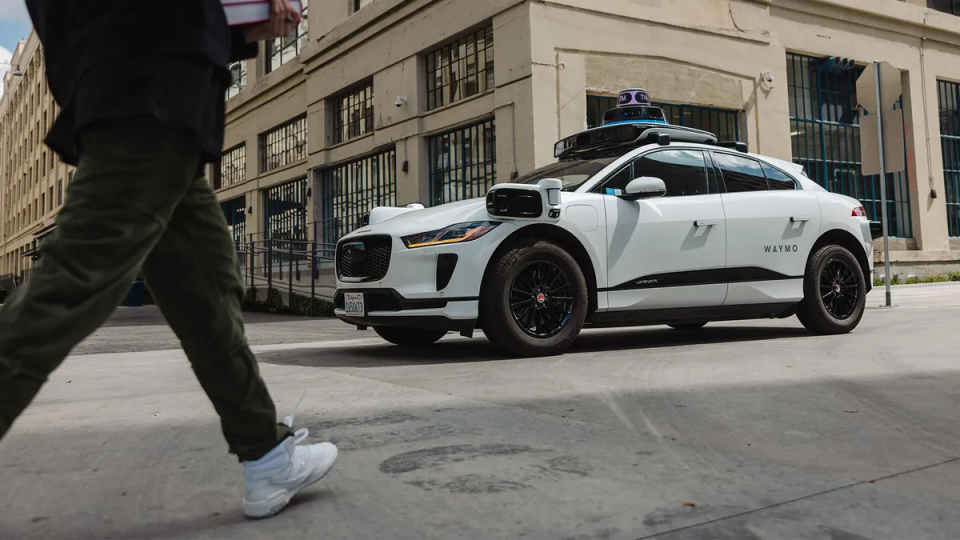
Self-driving cars have moved from science fiction to real streets, and Waymo leads the effort. This Alphabet Inc. (NASDAQ: GOOGL, NASDAQ: GOOG) unit just launched robotaxi service in Miami, its sixth U.S. market and first new one in 2026.
Picture calling a ride to the airport or office. You track it on your phone, step in, tell it your stop, and relax. Waymo vehicles already serve San Francisco, Phoenix, Los Angeles, Austin, and Atlanta without drivers. Miami adds tropical vibes, busy tourist zones, and bridges, all navigated safely so far. Riders report smooth trips, though the cars stick to cautious routes over risky shortcuts.
The race for autonomous driving pulls in big players. Waymo logs millions of miles yearly, refining tech through rain, night, and rush hours. Tesla offers self-driving features in personal cars, while Cruise and Zoox build their own fleets. Each faces hurdles like software glitches or regulator scrutiny after test incidents. No one dominates yet, but steady operations build rider trust over flashy promises.
Waymo started as a Google project in 2009, testing on public roads since 2017. Rivals paused services after crashes, like Cruise in San Francisco, giving Waymo time to expand. This creates habits: once you ride driverless, human-driven taxis feel slower and pricier. The company reports over 20 million paid trips with low incident rates, a key stat for skeptics.
Miami welcomed Waymo robotaxis this week, blending them into traffic near beaches and nightlife. Local rules support testing, and demand runs high from visitors and locals. Vehicles operate 24/7, picking up via app in core zones first, with plans to grow the area. Early users praise the quiet ride and exact timing, though some trips take longer for safety.
This launch signals bigger moves. U.S. rivals lag, so Waymo aims to claim loyalty in high-growth spots. The service costs about the same as Uber, around $10-25 per urban ride, without tips or surges. Businesses eye it for employee shuttles or client pickups, cutting logistics hassles.
Waymo plans confirmed launches in Dallas, Denver, Detroit, Houston, Las Vegas, Nashville, Orlando, San Antonio, San Diego, and Washington this year. Dallas tests long highways, Denver handles snow, Detroit taps auto know-how, and Las Vegas manages crowds. Each city gets mapped fully before public access, starting with staff rides then apps.
Houston’s sprawl suits fleet scale, Nashville’s events need flexible transport, and Orlando’s parks draw families. San Diego adds coastal curves, Washington brings dense downtowns. Rollouts happen in phases, with hundreds of vehicles per market over time. Cities benefit from less circling cabs and cleaner air, as electric fleets cut emissions 60-70% versus gas rides.
Daily life shifts with these services. Commuters skip parking fees, travelers ditch rentals, and late-night bar hops stay safe. Safety data shows autonomous cars avoid 80% of human errors like distractions. Regulators like the National Highway Traffic Safety Administration review reports, easing rules state by state.
Public adoption grows: surveys find 40% of Waymo users prefer it over alternatives after one try. Challenges remain, from winter ice to crowded festivals, but miles driven prove reliability. Rivals push back with their tests, keeping innovation alive.
Autonomous rides reshape how Americans move. Waymo’s 2026 slate fills maps with options, from Texas heat to mountain chill. Riders gain convenience, businesses save on fleets, and roads see fewer accidents long-term. The shift feels gradual, but cities change one ride at a time.
