
[stock_market_widget type=”card” template=”basic2″ assets=”AAL” realtime=”true” api=”yahoo-finance”]
Picture a traveler at Chicago O’Hare International Airport, coffee in hand, staring at a departure board filled with delays and cancellations. Winter storms across the U.S. create exactly this kind of disruption every year, turning routine trips into multiday ordeals. Right now, airlines have canceled over 1,000 flights for Saturday alone due to a massive winter storm stretching from New Mexico to New York, with snow, ice, high winds, and bitter cold in the forecast.
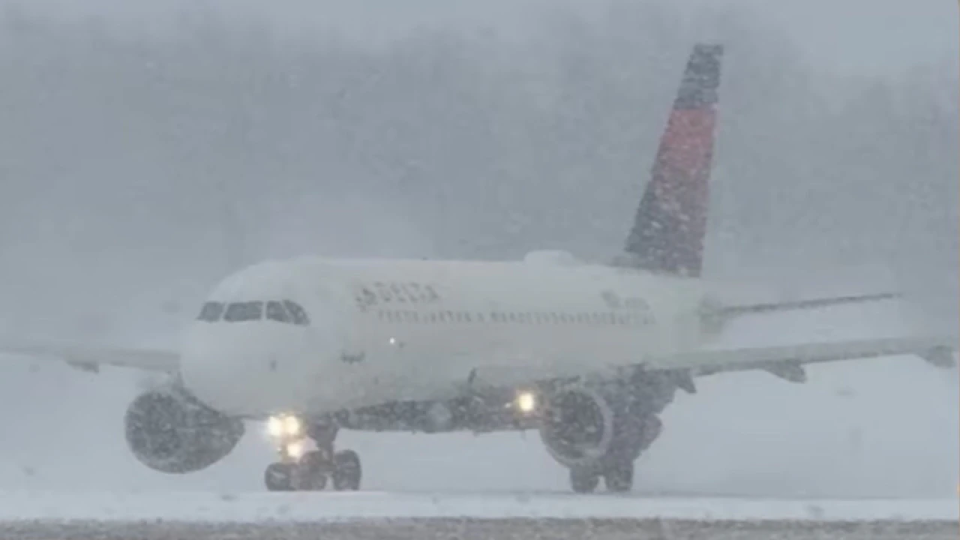
Major carriers like American Airlines Group Inc. (NASDAQ: AAL), Delta Air Lines, Inc. (NYSE: DAL), and United Airlines Holdings, Inc. (NASDAQ: UAL) lead the response by waiving change and cancellation fees at affected airports. This move helps passengers rebook without extra costs, but it does little to ease the immediate chaos of grounded planes and packed terminals. Flight tracking data shows ripple effects beyond cancellations, as delays cascade through hubs like Denver, Dallas, and Atlanta, where even on time flights face longer taxi times on icy runways. Ground crews work around the clock, but high winds complicate de-icing and snow removal, leaving passengers to wait in lines that snake through security checkpoints.
The Federal Aviation Administration plays a central role through detailed snow and ice control plans required at certificated airports. These plans prioritize clearing runways and taxiways first, using tools like the Runway Condition Assessment Matrix to report braking action to pilots. Airport operators establish Snow Control Centers to coordinate plows, blowers, and de-icing trucks, often clearing priority areas within targeted times even for heavy snow up to 1 inch deep. For this storm, NOTAMs (Notices to Airmen) alert pilots to closed runways and surface conditions, while air traffic controllers request braking reports to keep flights safe. Such preparations prevent worse outcomes, though smaller regional airports struggle more without dedicated equipment fleets.
History offers clear patterns in these events. During the 2022 “bomb cyclone,” over 8,000 flights canceled nationwide, stranding 1.7 million passengers and costing airlines $500 million daily in lost revenue. Storms like the 2023 Midwest blizzard shut major hubs for 48 hours, forcing diversions to unprepared fields and amplifying fuel burn by 20% on holding patterns. The National Weather Service notes that ice storms pose unique risks, as thin layers reduce tire traction more than deep snow, leading to 30% higher go around rates. Travelers face not just delays but secondary headaches like hotel shortages and rental car runs, with 25% of disruptions lingering into the next day. These events highlight why airlines now build weather buffers into schedules during January peaks.
Airline chaos extends to cargo and logistics, where overnight packages pile up and perishable goods spoil in unpowered holds. Businesses lose productivity as employees miss meetings, and e-commerce slows with grounded shipments from carriers like FedEx and UPS. Regional economies feel the pinch too, as conventions empty and tourism dips in stormhit cities. Passengers, often unfamiliar with aviation weather rules, grow frustrated, but carriers emphasize safety over speed, adhering to FAA mandates that prioritize clear runways. Apps like FlightAware now help track this in real time, yet nothing replaces proactive checks before heading to the airport.
Winter storms remind everyone how fragile air travel remains against nature’s force. Airports and airlines keep refining tactics, from better forecasting to faster equipment, yet the human element persists: patience from travelers makes all the difference amid the snow.
