
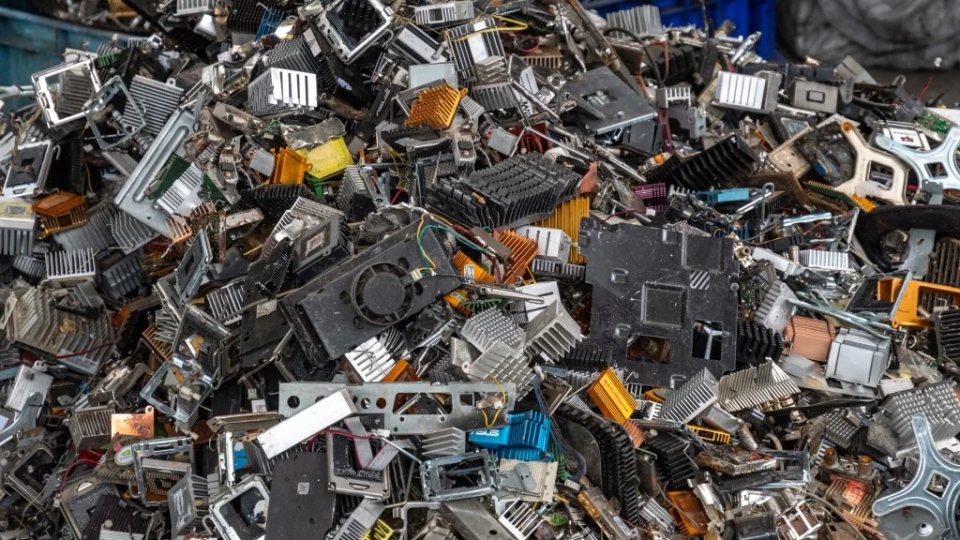
Rare earth elements power much of the technology people rely on every day. These 17 metals, from neodymium to dysprosium, show up in electric car motors, wind turbines, smartphones, and medical scanners. Most come from mining, but in the U.S., a quieter effort pulls them from discarded gadgets. This recycling approach treats piles of old electronics as untapped resources, offering a way to meet demand without digging new holes in the ground.
The U.S. recycling industry for rare earth elements remains small compared to mining or imports. It handles only about 5% of the country’s rare earth needs, producing roughly 1,000 to 2,000 metric tons each year. That figure pales next to the 40,000 metric tons the U.S. consumes annually across defense, clean energy, and electronics. Most recycled output comes from urban mining, where companies shred e-waste like hard drives and motors to extract metals chemically. Facilities process tons of scrap daily, but recovery rates hover around 50% to 70% due to mixed materials and tech limits.
Growth in this sector moves slowly but picks up speed lately. Output stayed flat between 2020 and 2024, stuck under 2,000 tons as high costs and low metal prices deterred investment. Now funding flows in, with projects aiming to double capacity by 2028. Government grants from the Department of Defense and Inflation Reduction Act add fuel, targeting supply chain security. Private capital follows, drawn by stable metal prices and e-waste volumes that hit 7 million tons yearly in the U.S. Recycling avoids the long permitting fights of new mines, which take 10 years or more to launch.
Cyclic Materials offers a clear example of this trend. The company raised $75 million from investors to build a facility in Arizona. There it will process 2,000 metric tons of junk, including electric motors from e-bikes, drones, MRI machines, and hard-disk drives stored in Mesa boxes. This setup skips traditional mining entirely. Instead, it uses solvents and heat to pull out neodymium and other elements at lower cost. Cyclic plans to start operations in 2026, feeding into a network of similar plants.
Other players chip in too. Firms like Noveon Magnetics in Texas recover magnets from old drives, yielding 300 tons yearly. Urban Mining Company in Texas processes magnets for defense contractors. These efforts cluster in the Southwest, near e-waste hubs and cheap power. Together they show recycling scaling from niche to notable. Recovery tech improves, with new acids boosting yields to 90%. Yet challenges persist, like sorting inconsistent scrap and competing with cheap Chinese imports that control 85% of global supply.
China’s role looms large over this picture. The country produces 70% of mined rare earths and 90% of refined product, creating supply squeezes during trade tensions. U.S. policy pushes back with tariffs and stockpiles. Recycling fills a gap here, as e-waste offers steady feedstock without export reliance. One ton of old devices yields as much neodymium as 10 tons of ore. With electric vehicles and renewables booming, demand climbs 10% yearly. Recyclers meet 10% of it now, up from 2% a decade ago.
Plants like Cyclic’s highlight practical steps forward. Arizona’s dry climate suits solvent processes, and proximity to California e-waste cuts transport costs. Output could hit 500 tons of oxides per year once running. Similar sites in Kentucky and San Jose add to the map. Industry leaders predict total U.S. recycling output reaching 5,000 tons by 2030, or 15% of needs. This shift builds resilience, turning trash into strategic assets.
Urban mining changes how the U.S. sources these metals. Facilities multiply as tech refines and funds arrive. E-waste piles grow with device lifecycles shrinking to three years. Recycling cuts energy use by 90% over mining and avoids toxic tailings. It aligns with circular economy goals, where products loop back into use. Cyclic Materials and peers prove old junk holds real value for tomorrow’s tech.
