
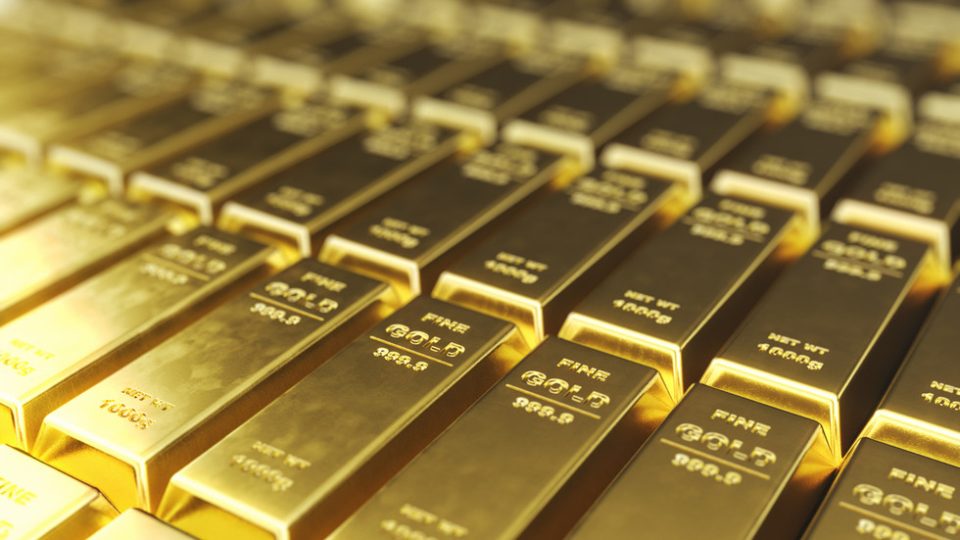
Gold prices reached $5,111 today, up more than $110 or 2.2% from yesterday’s close. This marks the highest nominal level gold has ever traded, topping prior records set just last week. For readers new to markets, gold trades as a futures contract on exchanges, reflecting what buyers and sellers agree it’s worth right now.
This surge builds on a strong start to 2026. The year began with gold already climbing, gaining over 6% in the first two weeks alone after a 64% rise through 2025. Today’s move confirms the upward trend, driven by investors seeking stability amid global tensions and policy shifts.
Higher prices benefit gold miners directly. When gold sells for more, mining companies see their revenues grow even if production stays steady. This extra cash flow helps cover operating costs, pay down debt, or expand operations. Shares of major producers jumped 2% to 4.4% in premarket trading today, as the $5,100 level lifts profit margins across the sector.
Miners also gain room to invest in new projects. At these levels, previously marginal deposits become viable, spurring exploration and development. Balance sheets strengthen too, with stronger cash positions supporting dividends or share buybacks. For the industry, prices above $5,000 turn solid performers into standout opportunities, especially for those with low-cost operations.
Looking to the rest of 2026, forecasts point to continued strength. Major brokerages see gold pushing toward $5,000 by year end, with some scenarios reaching higher. J.P. Morgan Global Research expects an average of $5,055 per ounce in the fourth quarter, rising to $5,400 by late 2027, fueled by central bank buying and investor inflows.
A few outlooks target $6,000 explicitly. J.P. Morgan notes this as a longer-term possibility if foreign holders diversify just 0.5% of U.S. assets into gold, given tight mine supply. Other banks like Goldman Sachs and Morgan Stanley share elevated targets above current levels, citing safe-haven demand and lower U.S. rates. These predictions assume steady ETF inflows around 250 tonnes and central bank purchases near 190 tonnes quarterly.
Demand drivers remain robust. Central banks added gold for a 14th straight month in December, with China’s holdings at 74.15 million ounces. Investors favor bars, coins, and funds during equity dips, while a weaker dollar and rate cut expectations reduce gold’s holding cost. Geopolitical risks and tariff talks under President Trump add uncertainty that funnels money into the metal.
Supply tells another story. Mine output stays flat due to high exploration costs and regulations, creating a mismatch with rising demand. This dynamic supports higher prices, as new supply takes years to ramp up. Silver follows a similar path, hitting records at $112 today.
Not all views agree on endless gains. Some expect rangebound trading if U.S. growth accelerates or risks ease. Still, the consensus leans bullish, with gold’s low correlation to stocks making it a portfolio diversifier.
