
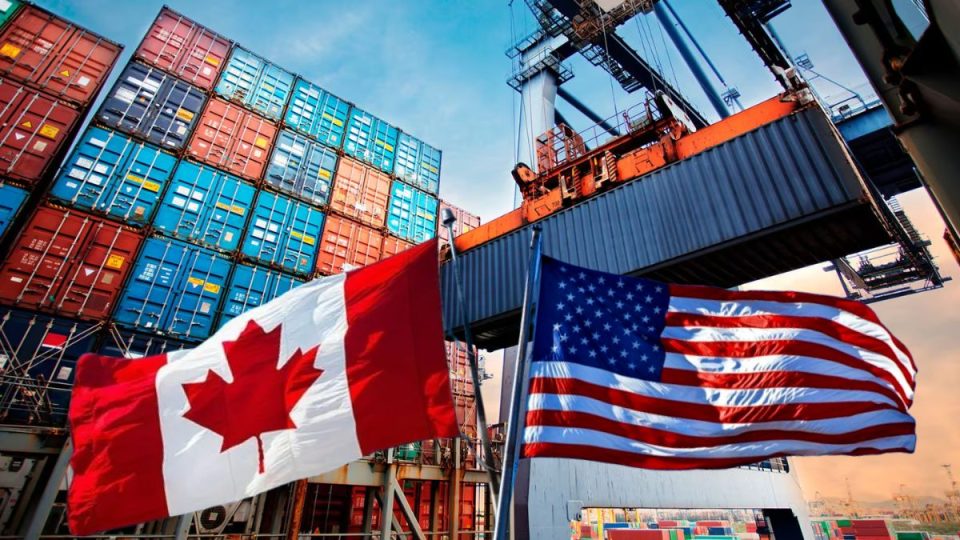
When the House convenes this week, lawmakers will revisit an issue that has long divided both major U.S. political parties: tariffs. The chamber is expected to vote on a resolution from Representative Gregory Meeks, a Democrat from New York, seeking to repeal President Trump’s tariffs on imports from Canada. While the measure’s outcome in the House is uncertain, the political ripples from a procedural vote the day before have already shaped the debate.
On Tuesday, three House Republicans sided with Democrats to defeat an attempt to block the consideration of tariff-related measures through the summer. The defeat of that rule, viewed by observers as a test of loyalty within the Republican conference, cleared the path for a direct vote on the Meeks resolution. The failed procedural maneuver was intended to keep tariff critics from forcing the issue onto the floor, effectively shielding the president from a potentially embarrassing rebuke by his own party. Its failure exposed divisions within Republican ranks and set the stage for a more public debate on trade policy.
The Meeks resolution, if passed, would express congressional disapproval of the tariffs that have complicated trade relations between the U.S. and Canada, two of the world’s largest trading partners. Canada responded to Trump’s earlier tariffs with duties of its own, affecting a range of exports from steel to agricultural products. While the resolution itself would not automatically eliminate the tariffs, it would formally register the House’s opposition and, if adopted by both chambers, could force the president to decide whether to accept or veto the congressional action.
The White House is expected to respond swiftly should the resolution pass. President Trump has made tariffs a central feature of his trade agenda, arguing that they protect U.S. industries against unfair competition. In previous statements, he has described efforts to undermine those tariffs as weakening the country’s bargaining position. A veto remains a likely outcome if the measure reaches his desk. But a strong bipartisan vote in the House could change the calculus for Republican lawmakers in the Senate, where some members have quietly voiced concern about the economic toll of ongoing trade disputes.
The political stakes are high. Many Republicans publicly support the president’s trade strategy, yet privately acknowledge that tariffs have inflated costs for small manufacturers and agricultural producers. At the same time, Democrats have been careful to frame the Meeks resolution as a stand for economic stability rather than a partisan reprimand. By tying the vote to broader questions of trade consistency and international trust, advocates hope to attract moderate Republicans who are uneasy about long-term disruption to North American supply chains.
Whether the resolution advances beyond the House remains uncertain. The Senate, with a narrow Republican majority, presents a harder test. Although a few lawmakers have indicated a willingness to consider curbing presidential tariff authority, many remain reluctant to break ranks with the party’s leader. Trade specialists note that a successful House vote would carry symbolic weight even if it stalls in the Senate, signaling that Congress is prepared to assert more influence over tariff policy after years of executive dominance in trade decisions.
Political dynamics aside, this week’s proceedings illustrate how procedural tactics can alter the legislative landscape. The failed attempt to silence the tariff debate underscored the narrow margin within which party leaders must operate. It also revealed how smaller defections on procedural votes can have sweeping policy consequences. These votes rarely attract public attention, yet they often determine whether a major issue ever reaches the floor for a full debate.
As the House prepares for the final vote, both parties face competing pressures: loyalty to leadership versus responsiveness to voters affected by tariffs. The result will likely serve as an early test of how Congress manages internal divisions in an election year while balancing domestic economic concerns with the international realities of trade. However the vote turns out, it has already revived a longstanding question in U.S. politics, how far Congress is willing to go in asserting its authority over trade policy shaped directly by the White House.
