
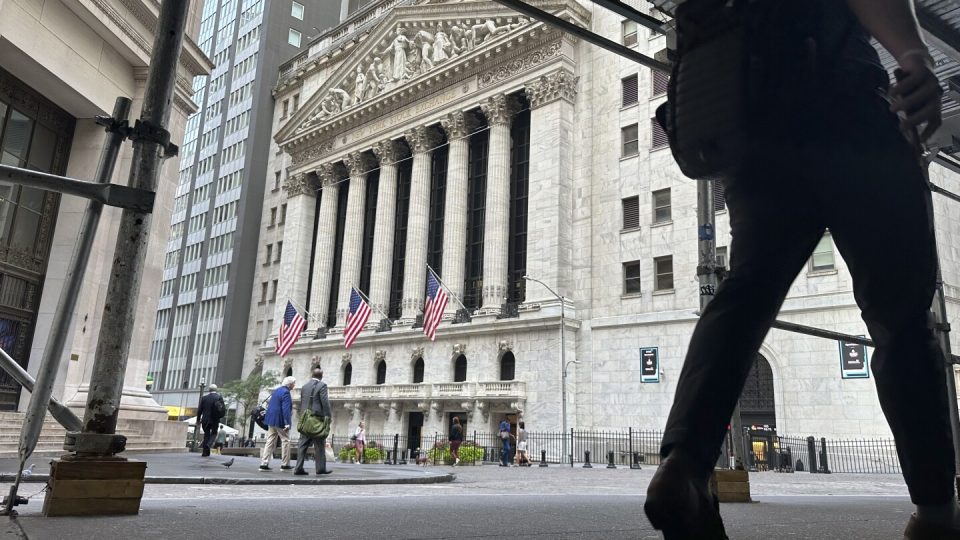
Stock markets across North America are quiet today. Both the New York Stock Exchange and the NASDAQ are closed in observance of President’s Day in the U.S., while Canadian markets pause for Family Day in most provinces. It is one of the few coordinated holidays that shut down financial centers in both countries, creating a rare mid-winter lull in trading activity.
President’s Day traces its origins to the 19th century, born out of the desire to honor George Washington, the first president of the United States. The holiday began as Washington’s Birthday, established in 1879 as a federal recognition of his leadership and legacy. Over time, the day evolved in both name and meaning. In 1971, the U.S. government passed the Uniform Monday Holiday Act, moving several federal holidays to Mondays to create long weekends. This adjustment shifted Washington’s Birthday to the third Monday of February, and public use of “President’s Day” gradually became common. The broader intent became to celebrate the office itself and all American presidents who had served.
Though the federal government still officially recognizes the day as Washington’s Birthday, President’s Day has come to symbolize both civic reflection and personal rest. For many Americans, it is also associated with cultural traditions like community gatherings and seasonal retail events. Some states mark it as Washington’s Birthday, others as a tribute to both Washington and Lincoln, but all treat it as a mid-February affirmation of leadership and unity.
Canada’s Family Day carries a different tone but rests on similar ideas of pause and togetherness. Introduced in 1990 by Alberta Premier Don Getty, the holiday encouraged citizens to take a winter break focused on family and community. Over time, several provinces including Ontario, Saskatchewan, and British Columbia adopted it as well. The day provides a welcome respite from Canada’s long winter and reinforces social well-being as part of public life. It is not universal, provinces such as Quebec and those in Atlantic Canada do not observe it, but where it is recognized, it has become a regular part of civic.
The synchronized nature of these two holidays gives both Wall Street and Bay Street a collective pause. Market activity slows sharply, banks and public institutions close, and trading floors fall silent. But financial life is not entirely at rest. The foreign exchange market remains open, since it functions across time zones in a continuous global cycle. Cryptocurrency trading, covering assets such as Bitcoin and Ethereum, also continues through the day and night, unaffected by civic holidays or national borders. Electronic futures tied to commodities like oil and gold trade on a limited basis, allowing investors to manage risk or respond to global events. Together, these markets illustrate how finance has evolved to operate beyond the traditional calendar that governs stock exchanges.
The contrast between these uninterrupted arenas and the closed equity markets highlights a meaningful divide between tradition and technology. Traditional exchanges pause for holidays that reflect shared civic priorities, reinforcing the connection between national identity and public rest. Digital assets, operating through decentralized systems, move independently of such cultural rhythms, signaling a shift toward constant global accessibility. Yet despite this technological continuity, the human habit of stepping back, even briefly, still anchors the flow of commerce to a sense of rhythm and community.
For modern businesses, this mid-winter closure shows how different layers of the financial world coexist. On one side, established markets pause for reflection, acknowledging history and community values. On the other, the digital and decentralized realm continues nonstop, powered by algorithms and online networks. Each represents a different expression of economic life. When trading resumes tomorrow, the hum of activity will return to Wall Street and Bay Street, but today’s silence is a reminder that even in a connected age, pauses remain a vital part of the economic story.
