
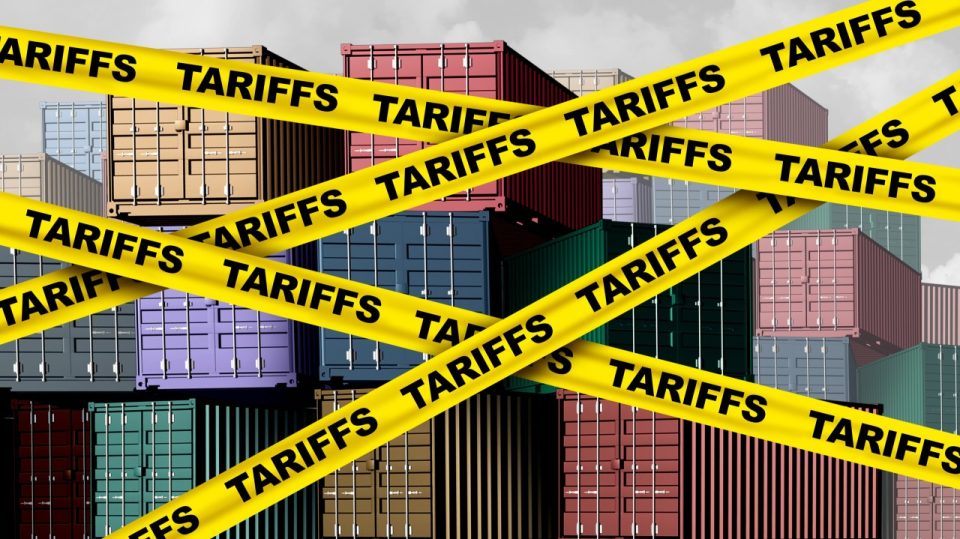
Picture a typical midsize company in the American heartland. It might make machine parts or assemble consumer goods, relying on materials shipped from halfway around the world. Over the last year, these firms started noticing something different at the docks. The fees they pay to bring in those imports, known as tariffs, jumped threefold. Groups tracking business data, like the JPMorgan Chase Institute, measured this change clearly. Their work shows how policies under President Trump to raise these import charges have altered daily operations for companies employing nearly 50 million people.
To understand why this feels so disruptive, start with the basics. A tariff works like a border toll. When goods cross into the U.S., the importer writes a check to the government based on the item’s value or type. Midsize businesses, often with yearly sales from $10 million up to $1 billion, handle a lot of these transactions. They buy components for products sold locally or nationwide. In 2024, the average tariff bill stayed modest. By late 2025, it ballooned as rates climbed on items from major suppliers like China. Companies felt forced to choose between raising prices for buyers, slowing growth plans, or trimming their own earnings to stay competitive.
Take a real world example from the manufacturing floor. Suppose an Ohio factory imports steel sheets for truck beds. A $1,000 shipment once cleared customs with a $100 duty. New rules pushed that to $500 or more per load. Multiply that across dozens of orders, and managers face tough calls. Some hike sticker prices by 5% to 10%, testing customer loyalty. Others scout factories in places like Thailand, only to discover similar costs or quality issues there. Experts like Chi Mac from the JPMorgan Chase Institute observe firms gradually favoring other Asian markets over China. But such moves demand upfront cash and time, resources many midsize operations lack.
These pressures echo goals set out in political platforms. The idea holds appeal: charge more for foreign goods to favor U.S. makers and cut reliance on overseas supply. Revenue from these tariffs also flows to federal coffers, padding budgets for infrastructure or tax relief. Yet for businesses in the thick of it, outcomes prove messier. A shoe distributor, for instance, watched its annual tariff hit leap from $45,000 to $350,000. Sales dipped 30% as shoppers turned away from pricier options. A lighting supplier stared down $1 million in extra fees, weighing layoffs or shutdowns if demand softened further. Locked into supplier deals before rates rose, these firms absorbed hits on big chunks of inventory.
Research paints a wider picture. Studies from the Federal Reserve suggest importers shoulder 90% of these costs, with much passing to end users through shelf price bumps. Polls of small and midsize owners reveal 60% already grappling with elevated expenses, and 80% bracing for worse. Uncertainty spiked around mid 2025, curbing hires and equipment buys as firms awaited policy clarity. Patterns from earlier trade rounds repeat: about 40% of hit companies hit pause on expansions back then, and signs point to more of the same now.
Rerouting supply proves tricky in practice. One producer shifted bins making to Vietnam, dodging some China duties, but then met steel levies that erased savings. Mexico offers promise for nearshoring, yet trucking costs and border delays add up. Big chains stocked warehouses ahead of hikes, buying breathing room. Smaller players without deep pockets hold off on big bets. Meanwhile, inflation watches climb as goods costs feed into broader prices, a risk lingering into 2026 without tweaks.
Business groups like the U.S. Chamber of Commerce flag retaliation risks, where trading partners slap back at American exports. Still, some midsize leaders spot upsides. Local sourcing builds resilience against global shocks. Innovators push for automation to offset fees. These firms drive half of U.S. employment, so their adaptations hint at economic direction. When they strain, ripples reach consumers and markets alike. Forward thinking managers treat tariffs as a prompt to rethink partnerships, blending caution with creative sourcing.
Nearshoring gains traction slowly. Quality control trips up quick fixes, and skilled labor shortages slow domestic shifts. Profits narrow across board, but necessity sparks change. A revived U.S. factory base could emerge longer term, rewarding patient operators. Leaders in Washington track these stories closely. Midsize experiences often forecast larger shifts, much like early warnings in a complex system.
