
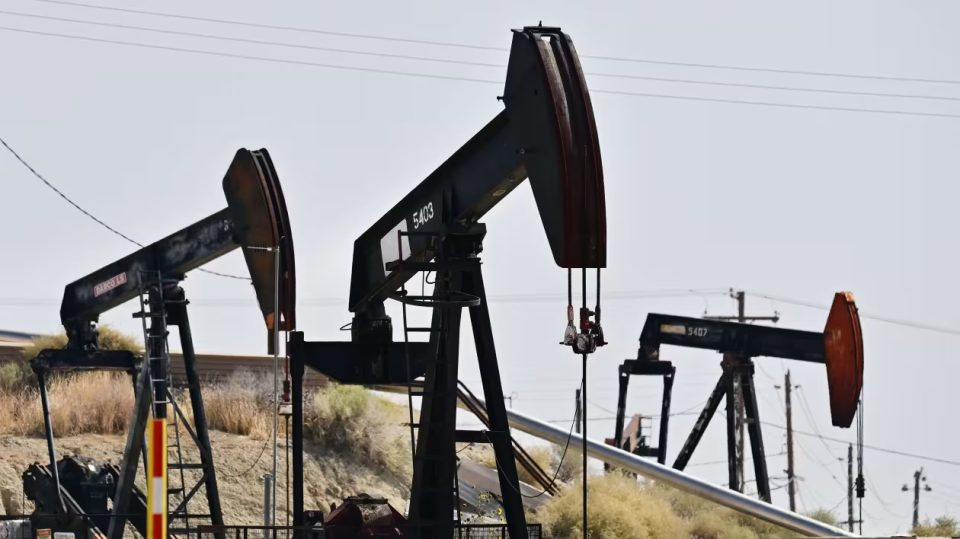
West Texas Intermediate crude oil, often just called WTI, climbed over 8% in today’s trading to above $95 per barrel. This benchmark price sets the tone for much of the oil traded in the U.S. and influences what you pay at the gas pump. If you drive a car or truck, or run a business that relies on fuel, this move matters because it ripples through the economy in clear ways.
WTI comes from fields in Texas and nearby states, and it serves as a key reference for buyers and sellers. Traders buy and sell contracts for future delivery of this oil on exchanges, which creates the daily price swings you see in headlines. When WTI jumps like it did today, from around $87 yesterday to over $95, it reflects supply concerns, demand shifts, or global events. For everyday people, the real question is how this shows up in gas prices across the country.
Gasoline does not track crude oil prices dollar for dollar or day by day. Crude makes up about 50-60% of the cost of a gallon of gas at the pump, with the rest coming from refining, taxes, distribution, and retailer margins. A big one day move in WTI, even 8%, might add just a few cents per gallon in the short term. The full effect often takes one to two weeks to reach stations because refineries need time to process crude into gasoline and ship it out.
Right now, the national average gas price sits at $3.62 per gallon. This figure comes from daily tracking by AAA, which surveys thousands of stations each day. Compare that to California, where drivers pay an average of $4.85 per gallon. The gap exists for a few reasons. California requires special low pollution blends of gasoline, which cost more to make. The state also has higher taxes, around $0.68 per gallon combined state and local, versus the U.S. average of about $0.39. Plus, limited refinery capacity in the state means more fuel gets trucked in from elsewhere, adding to costs.
Futures markets give a glimpse of what might come next. These are bets on oil prices weeks or months ahead. When today’s spot price for WTI spikes to $95, futures contracts adjust quickly, signaling refiners to expect higher costs soon. This immediate futures reaction can push wholesalers to raise prices within days, even before physical gasoline from today’s crude hits the market. Over the next week or two, that lag catches up as stations adjust pumps to match wholesale levels. For a typical driver filling a 15 gallon tank, an extra $0.10 per gallon from this WTI move adds $1.50 per fill up.
Businesses feel this too. Trucking companies, which move 70% of U.S. freight, pass fuel costs to customers through surcharges. Farmers hauling crops or manufacturers shipping goods see margins shrink if they cannot adjust prices fast. Airlines, already dealing with jet fuel tied to crude, might tweak fares. In states like California, where gas already costs 34% more than the national average, the pain hits harder for commuters and small businesses with delivery fleets.
Refineries play a big role in how much of the WTI rise reaches the pump. They buy crude, turn it into gasoline, and sell it to distributors. A measure called the crack spread shows the profit they make on that process. When crude jumps, refiners hold onto some gain if demand stays steady. Today’s 8% WTI increase could widen crack spreads temporarily, softening the pass through to consumers. Still, over time, higher crude pulls pump prices up by about half the percentage move, so 8% in oil might mean 4% higher gas in a couple weeks.
California’s situation adds another layer. The state gets only half its gasoline from in state refineries, with the rest imported. Stricter air rules force use of pricier reformulated gas year-round. When WTI rises, local refiners like those in the Los Angeles area face bottlenecks, pushing reliance on out of state supply that also costs more. This explains why the state’s average stays $1.23 above the national figure today.
Geopolitical tensions often drive these oil spikes, and today’s move fits that pattern. Buyers worry about supply disruptions, bidding prices higher in futures. While WTI hit $95 today, longer term contracts might climb more if issues persist. Drivers in the Midwest, near WTI’s Cushing hub, see changes fastest, while coastal areas lag a bit more.
As spring approaches, road trips and construction season ramp up demand. A sustained WTI above $95 keeps pressure on gas prices through March and into April. Nationally, averages could nudge toward $3.75 per gallon if the trend holds. In California, $5 per gallon looms as a psychological barrier. Fuel costs shape family budgets and business plans, making each crude move a reminder of oil’s everyday reach.
