
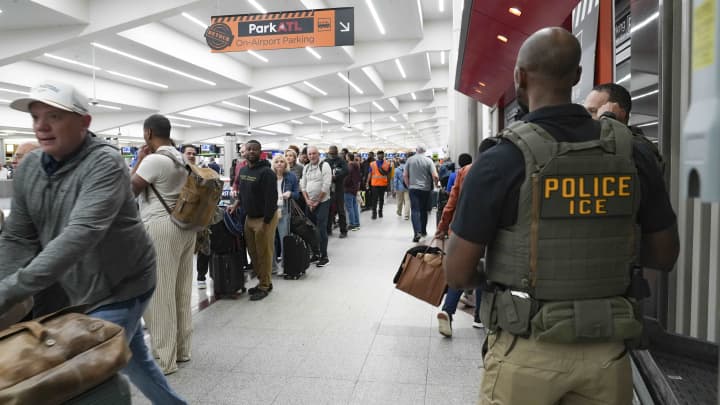
Travelers heading to John F. Kennedy International Airport in New York these days arrive hours early just to make their flights. One typical passenger showed up well before dawn for a morning departure to Seattle. Nearly two hours passed before clearing security, leaving a sprint to the gate as boarding started. Many report similar experiences at busy hubs like Atlanta, New York, and Houston. These long waits have become routine amid spring travel demand.
A partial government shutdown, now in its second month since starting in mid-February 2026, lies at the heart of the problem. More than 50,000 Transportation Security Administration officers continue working without their regular paychecks. This week marks a second full missed paycheck for most. The impasse centers on funding for the Department of Homeland Security. Congress remains deadlocked over changes to federal immigration enforcement practices following recent officer-involved shootings that killed two U.S. citizens in Minneapolis. Essential staff report for duty regardless, but absences and quits mount quickly.
Staffing shortages worsen the crunch. The American Federation of Government Employees reports hundreds of TSA officers have resigned since the shutdown began. Call-out rates have doubled at some locations. The Department of Homeland Security points to Democrats for the delay, stating over 400 quits and thousands absent because workers struggle with basics like gas, childcare, food, and rent. Wait times now exceed an hour at major checkpoints, compounded by crowds and weather.
Families with children and business travelers on tight schedules face the worst of it. Lines at Hartsfield-Jackson Atlanta International Airport stretched past 90 minutes over the weekend. George Bush Intercontinental in Houston saw matching backups. Some switch airports after issues like LaGuardia’s Sunday night closure from a plane collision with an emergency vehicle. A brief ground stop hit Newark Liberty International Airport Monday morning due to a burning smell in the tower, piling on New York area headaches. Routine trips turn stressful fast.
Complaints flood social media and terminals. Missed flights lead to rebooking fees or canceled plans. Union representatives describe officers facing evictions and empty pantries yet clocking in. About 10% of the TSA workforce skipped recent shifts nationwide. Record screening volumes, around 2.6 million passengers daily, push the system to its limits. Even smaller airports feel overflow when one checkpoint clogs.
The Trump administration turned to Immigration and Customs Enforcement agents for relief. White House border czar Tom Homan announced their Monday deployment to airports. They handle tasks like guarding exit doors, allowing TSA staff to focus on screening. Homan noted these agents lack specialized screening training but can speed lines. Exact numbers, sites, and roles stay unclear without quick responses from DHS or TSA. Band-aid measures like this address symptoms, not the paycheck gap.
History offers little comfort. A 2019 shutdown eased only after Congress relented amid rising chaos. Late 2025 disruptions cut flights at 40 airports from air traffic controller shortages. Airlines now press lawmakers to act. The U.S. Travel Association flags threats to the spring season. Prior 43-day impasses cost $6.1 billion, with 88,000 fewer daily trips.
Shutdowns reliably snarl air travel. The 2025 fall event, lasting 43 days from October 1, added 1 million extra delay hours at six major airports, totaling $66 million in direct costs. High-traffic spots like San Francisco saw outsized pain, with Boston delays up 527% and New York 467%. This February onset accelerates due to recent memory and peak demand. Attrition already topped 25% above norms pre-shutdown, losing 1,110 officers in late 2025. Immigration disputes keep funding stalled.
Airline leaders call for back pay to workers. Delays trigger crew timeouts, late arrivals, and equipment strains. Unlike weather events, staffing shortfalls strike suddenly, thwarting forecasts. U.S. Travel tallies $6 billion in past losses from reduced trips and slowdowns.
Airlines absorb heavy hits. Cancellations soared to over 4,000 daily during prior peaks. Refunds, re-accommodations, and grounded planes sap revenue. Business travelers’ lost time compounds expenses. Tourism spending drops, starving hotels and restaurants. States forfeit tax dollars; hub communities risk jobs. Airlines for America links 60% of some cuts to FAA mandates from thin staffing.
Hospitality sectors brace next. Fewer flights mean empty rooms and quiet eateries. Spring break magnifies the damage. Reports note 131 airports understaffed. TSA shifts office personnel to lines. Summer hiring sits half complete without funds. Daily U.S. economic drags hit hundreds of millions, growing with each delay.
Airports power local economies but prove vulnerable to federal funding fights. Airlines shoulder costs that passengers sidestep through changes or delays. With the shutdown past a month, compromise pressure mounts. Early arrivals and wait apps help travelers cope. Core issues linger until paychecks flow and staffing rebuilds.
