
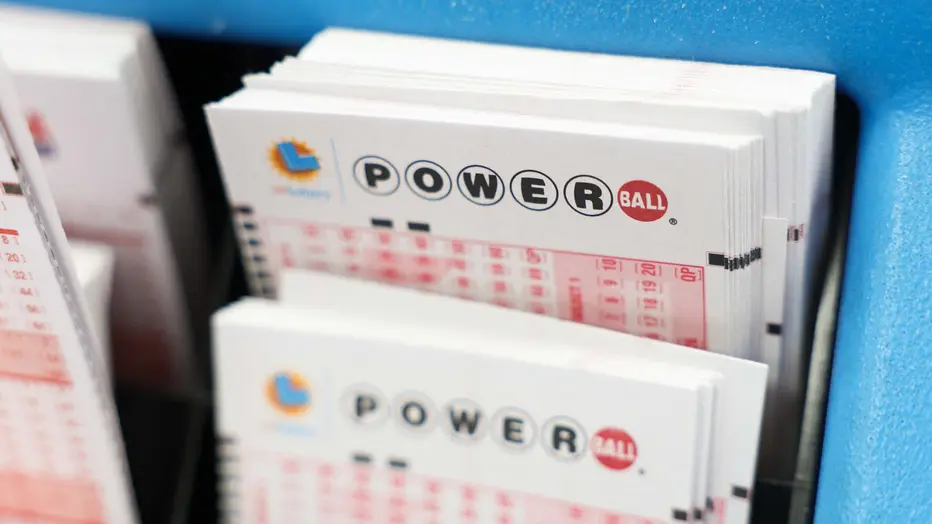
Powerball plans to welcome United Kingdom players this summer, marking a big step beyond its U.S. roots. The expansion follows an agreement between the Multi-State Lottery Association, which runs Powerball, and Allwyn UK, the operator of the UK’s National Lottery. It promises quicker jackpot growth and more funds for community projects on both sides of the Atlantic.
The idea makes sense when you consider what players want. In the U.S., surveys show folks love seeing jackpots climb fast. More tickets sold mean higher prizes, which draw even more players. Adding UK participants creates a larger group buying tickets, so prizes build quicker than before. This summer expansion will be the first time players outside the U.S. help fund the Powerball jackpot, creating shared excitement.
Picture the game itself. Players pick five numbers from 1 to 69 on white balls and one from 1 to 26 on the red Powerball. Drawings happen three times a week, on Mondays, Wednesdays, and Saturdays. Odds of hitting the big prize stay the same at 1 in 292.2 million, and U.S. tickets cost $2 each. Nothing changes for American players, but the pool grows with UK entries.
From the U.S. side, Powerball already supports good causes. Every ticket sold sends part of the revenue to state programs. Think education funding, parks, and senior services. In 45 states plus places like Washington, DC, Puerto Rico, and the U.S. Virgin Islands, billions have gone to these efforts over the years. Leaders see the UK addition as a way to keep the game fresh and jackpots rising, which means more support for those programs.
Now shift to the UK view. The National Lottery there draws over 31 million players yearly across its games. Allwyn, the operator, aims to bring fresh options like Powerball, known for its massive prizes. UK jackpots top out lower now; the biggest from EuroMillions was about $265 million in 2022. Powerball has hit over $2 billion, offering a thrilling step up. Leaders there highlight how it adds innovation and bigger contributions to causes.
Both countries share the same jackpot amount, though estimates differ due to currency swaps and tax displays. U.S. figures show pretax values, while UK ones reflect after-tax. Payouts vary too. Americans can choose a cash lump sum, which most take, or payments over 30 years. UK winners get the annuity over 30 years. Smaller prizes adjust by country, but everyone competes for the top prize.
What happens to ticket money after prizes? A chunk funds jackpots and lower tiers first. In both nations, the rest supports vital work: U.S. states get about 50-60% of revenue for education and more, while UK channels around 40% to sports, arts, heritage, and charities. This expansion boosts those flows as sales rise.
The deal awaits approval from the UK Gambling Commission, but excitement builds. U.S. head Matt Strawn calls it a natural step to stay relevant. UK chief Andria Vidler sees it bringing transformative jackpots and aid to causes. Players on both sides stand to gain from faster growth and shared benefits.
This bridge between lotteries highlights how collaboration can amplify wins and goodwill. More participants mean quicker climbs to life-changing sums, plus extra help for schools, communities, and culture. It feels like a win beyond the numbers drawn.
