
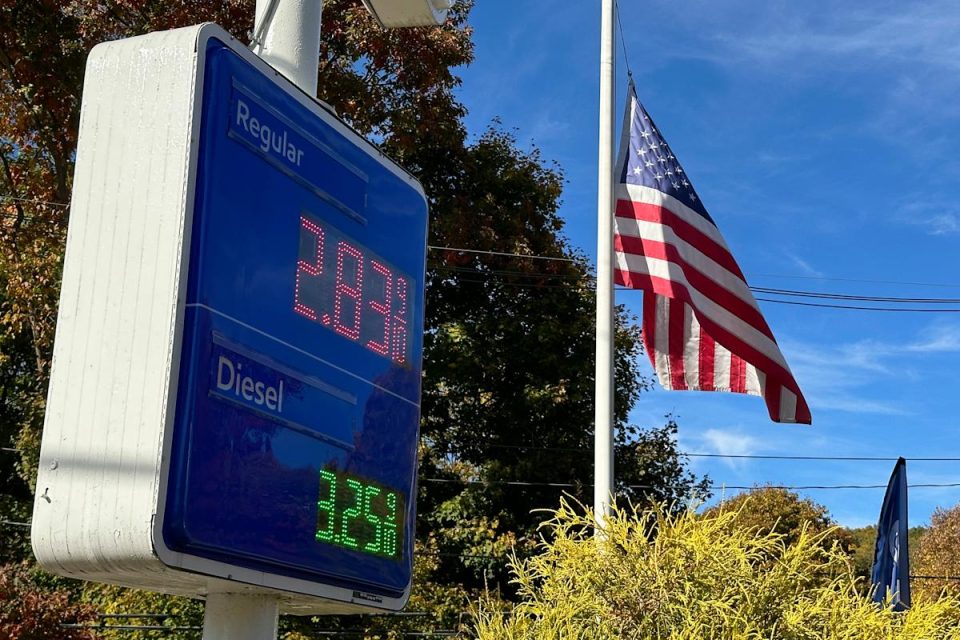
Gasoline prices across the U.S. have climbed back over $4 per gallon, hitting $4.02 on average for regular unleaded as of April 21, 2026. As we are all aware, the war in the Middle East stands as the main reason, disrupting oil supplies and driving crude prices higher. If you fill up your tank each week, that extra cost per gallon adds up fast over months.
Right now, the national average sits at about $4.04 according to the latest from AAA, up roughly 10% from a month ago but off a bit from last week’s peak. Compare that to last April’s $3.15 average, and drivers feel the pinch. Prices swing by region too: Hawaii drivers pay $5.67 per gallon, while spots in Oklahoma dip to $3.38. Those differences stem from local taxes, transport costs, and refinery access.
A lot rides on crude oil, which makes up over half the price at the pump. Recent blockages in the Strait of Hormuz, a key shipping lane, forced countries like Saudi Arabia and Iraq to halt millions of barrels a day. With increased costs of a barrel of oil, refineries pass those costs straight to gasoline prices. West Coast refinery issues, including recent closures, pile on extra strain in that region.
Experts watch these supply snarls closely for clues on where prices head next. The U.S. Energy Information Administration (EIA) sees the average at $3.70 for all of 2026, with a high near $4.30 this month before some drop off. They expect crude to ease below $90 by late year if shipping resumes by summer. Still, uncertainty lingers, so a risk premium keeps oil pricier than before the disruptions.
Other forecasts paint a lower picture overall. GasBuddy predicts $2.97 on average, with May topping $3.12 and December at $2.83, assuming refineries run smooth after maintenance. Trading Economics points to around $3.00 by year end, based on models that see stability. Earlier views from Rigzone echoed sub-$3 averages, but those came before the latest oil shocks. Fortune noted EIA updates keeping prices above $3 into 2027.
Summer often brings higher demand as people road trip, so expect peaks from June to August. Refineries switch to costlier summer blends then, which bumps prices 10-20 cents per gallon. Hurricanes or maintenance could tighten supply further. On the flip side, if Middle East production restarts fully by fall, inventories build and costs fall. Electric vehicles and hybrids cut some demand too, though slowly.
Taxes play a steady role, averaging $0.58 per gallon nationwide, higher in California at over $1.00. Federal gas tax sits at 18.4 cents, unchanged for years. States vary: no tax in Alaska, but Hawaii’s tops $1. Hawaii’s isolation drives its high prices. Diesel, now over $5 in spots, hurts truckers and farmers more amid tight global stocks.
Looking further, 2027 could average $3.46 per EIA, down as crude hits $76 per barrel. U.S. Energy Secretary Chris Wright said prices might hover above $3 until then, even if the peak passed. GasBuddy sees a softening market with milder swings. Those shifts mean relief for budgets strained now.
Regional patterns hold steady. Gulf Coast stays cheapest around $3.20 yearly, Midwest next. West Coast faces $4.50-plus averages from refinery closures and rules. Southern states like Texas and Mississippi keep lows near $3.40. Drivers there save hundreds yearly versus California.
Electric cars grow, but gasoline demand dips just 1-2% yearly. Airlines and trucks still guzzle it. Policy matters too: more drilling under President Trump could boost supply long term. For now, fill up smart: apps track cheapest stations, and efficient driving saves 10% on fuel. Prices shape trips, groceries, and business costs in ways that touch everyone.
