
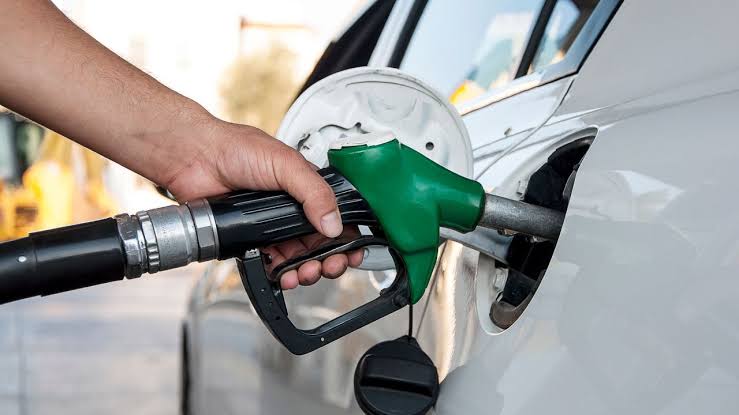
Diesel prices have climbed to levels never seen before, and the move is drawing fresh attention from anyone who tracks inflation. The U.S. national average for on-highway diesel reached $5.85 a gallon today, a nearly 60% increase from the same period last year when the average was $3.71 a gallon. In California the average sits around $7.70 a gallon, almost $2 above the national figure. These numbers matter because diesel is the fuel most tightly woven into the movement of goods, the operation of farms, and the heating of buildings, so changes at the pump tend to show up quickly in the prices people pay for everyday items.
The surge comes as two major conflicts have taken a large amount of refining capacity offline. Ukraine has been striking Russian refineries, and Moscow has responded by banning diesel exports while even importing fuel from neighbors to cover domestic needs. At the same time, fighting around Iran has disrupted tanker traffic and energy infrastructure in the Middle East, including attacks that knocked out a large Saudi refinery. Industry estimates suggest roughly 5 million barrels per day of refining capacity have been idled, and about 8% of the diesel required to meet global demand is currently disrupted. This combination of lost output and tighter trade flows has created a global supply crunch that is pushing prices higher at the pump.
Refineries in the United States are running near maximum, yet they are not fully offsetting the shortfall. Some facilities have shifted output toward jet fuel, which has also become more valuable since the conflicts began, and that has left less diesel available for trucks, trains, and farm equipment. Asian refiners have also limited diesel exports in recent months, which further tightens the global market. With supply constrained and demand steady, the price signal is clear, and it is showing up in the weekly data published by the U.S. Energy Information Administration.
Higher diesel costs feed directly into inflation because so much of the economy depends on trucks, tractors, and trains that run on the fuel. Analysts describe diesel as a stealth tax because the extra cost is passed along to consumers through higher prices for food, building materials, and manufactured goods that travel by rail or road. The timing is also awkward because diesel demand tends to rise in the fall ahead of harvest and again in winter when heating oil, which is chemically similar to diesel, sees heavier use. That seasonal pattern means the pressure on prices could persist for months unless supply conditions improve.
For households and businesses, the practical effect is straightforward. When it costs more to move a pallet of groceries, a load of lumber, or a shipment of auto parts, those costs are built into the final price. Inflation across the economy has already been running above the Federal Reserve’s target, and energy prices have been a notable contributor. A sustained move in diesel at record levels raises the risk that inflation stays elevated longer than many had expected, which in turn influences borrowing costs and spending plans. The key question now is whether refining output rebounds, export restrictions ease, or demand moderates enough to bring prices down.
