
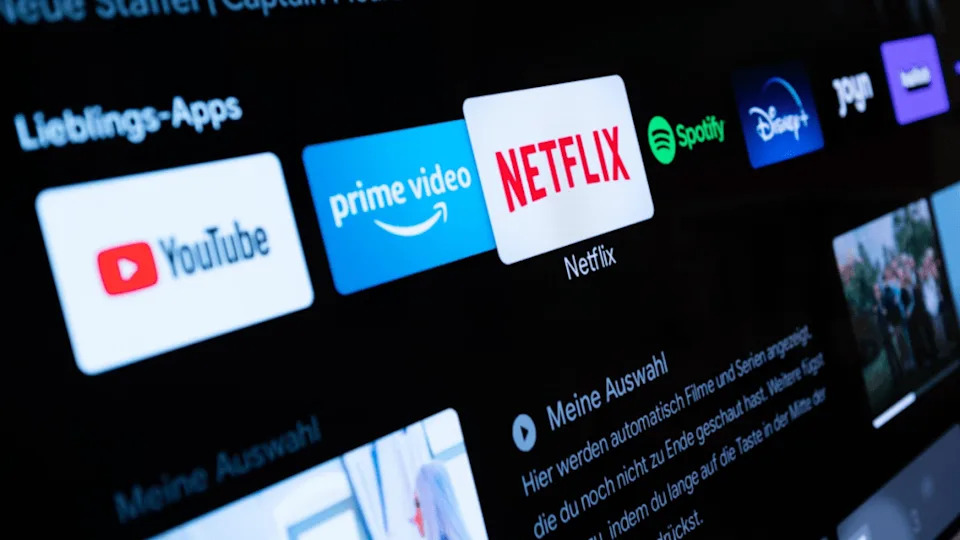
Three of the largest streaming platforms have joined forces to create a new policy group in Washington. The Streaming Access and Choice Alliance, known as SACA, brings together Netflix (NASDAQ: NFLX), Amazon (NASDAQ: AMZN), and YouTube, which is owned by Alphabet (NASDAQ: GOOGL), as its founding members. The coalition is being run out of TechNet, a technology industry association, with Mike Ward, TechNet’s senior vice president of federal policy and government relations, also leading SACA. The group says it will press for technology neutral policies that keep options open for how people watch entertainment, including live sports.
The timing is not accidental. Over the past year, regulators and lawmakers have focused on the migration of major sports rights to streaming services. The Department of Justice and the Federal Communications Commission have opened an inquiry into whether the Sports Broadcasting Act of 1961, which allows leagues to pool and sell television rights together, should be revisited. FCC chair Brendan Carr has questioned whether too many sports are moving behind paywalls as a result of the antitrust exemption that law provides to sports leagues. SACA’s stated goal is to argue that streaming expands choice and flexibility for fans, and that policy should not favor one distribution method over another.
Sports have become the most visible pressure point. Prime Video and Netflix each carry exclusive National Football League games this season, and YouTube has been a home for out of market packages such as NFL Sunday Ticket. Broadcasters and some members of Congress have pushed for rules that would keep marquee games available on free over the air stations. SACA’s website frames the issue as a matter of consumer control, saying streaming gives audiences and sports fans more choice and that the group will make sure Washington hears from those viewers. The subtext is clear. If regulators require broader free access or limit exclusivity, it could change how streamers value and bid for sports rights.
The policy fight touches the economics of content spending. Live sports have become a key tool for attracting and retaining subscribers, but they also drive up costs. If policy outcomes make exclusivity harder to maintain, streamers may need to rely more on packaging, advertising tiers, and partnerships with internet providers or retailers to justify large rights fees. On the other hand, a favorable policy environment could give streamers more room to invest in a wider range of programming, including more live events, without the threat of new distribution mandates. The market reaction on the announcement day, with Netflix shares rising more sharply than those of Amazon and Alphabet, hints that some investors see potential upside if the coalition helps unlock more sports opportunities.
The lobbying landscape around entertainment is already crowded, but SACA carves out a specific niche. The Motion Picture Association represents major studios and their streaming services, while TechNet and other groups focus on broader technology policy. A previous tech lobbying group, the Internet Association, dissolved in late 2021 as member interests diverged. SACA revives a dedicated channel for streaming platforms to speak with one voice on issues where their business models overlap, especially live sports and consumer access. That does not guarantee policy wins, but it does signal that the largest streamers are preparing for a sustained debate in Washington over how Americans watch the biggest events in sports.
