
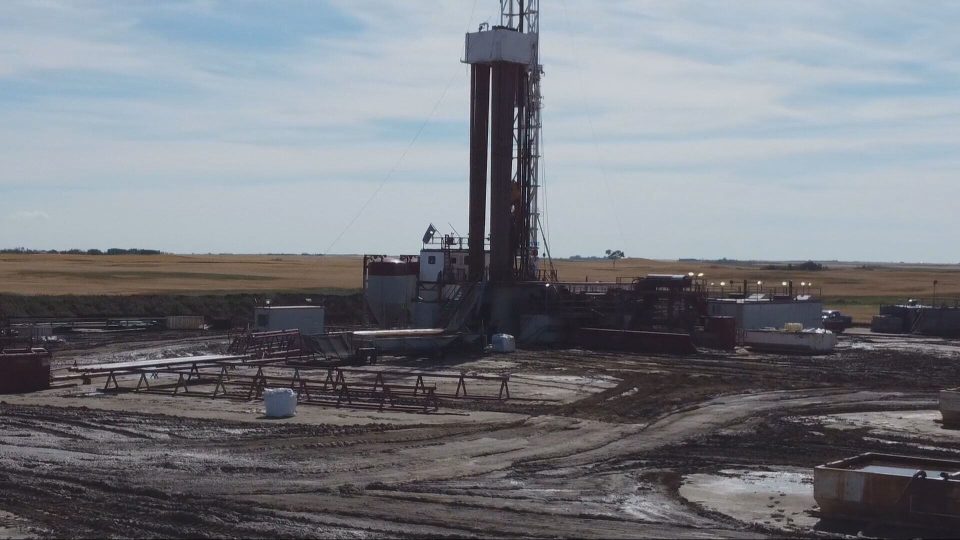
Regulatory approvals rarely make for exciting reading, yet for a small mining company they can matter more than almost any other piece of news. A government agency’s decision to waive a lengthy review process can shave months, sometimes years, off a project’s timeline. That is essentially what happened this week to a Saskatchewan potash developer working toward its first production. Saskatchewan’s Ministry of Environment determined that Buffalo Potash Corporation (OTCQB: BLPTF, TSXV: BUFF, FSE: VU5) would not need to complete a full Environmental Impact Assessment for the first phase of its Disley Project.
Under Saskatchewan’s Environmental Assessment Act, a project only needs a full assessment if it trips one of six specific criteria, things like threatening a rare environmental feature, creating unmanaged waste, or introducing an untested technology with major environmental consequences. The Ministry screened Buffalo’s Initial Production Module against all six and found that none applied. The determination does come with conditions. Buffalo must build the module exactly as described in its technical proposal, notify the Ministry of any significant changes, and begin work within two years, or the approval could be revisited. The company also still needs to clear other standard regulatory steps before.
Buffalo Potash is a Canadian based company developing the Disley Project, located roughly 50 kilometres northwest of Regina, Saskatchewan. Rather than digging a conventional mine, the company plans to use a patented method called Horizontal Line Drive, a form of solution mining in which wells dissolve potash underground and pump the resulting brine to the surface for processing. The site sits next to two of the world’s largest working potash solution mines, which the company points to as evidence that the surrounding geology is proven.
The first phase of the project, called the Initial Production Module, is designed to produce 125,000 tonnes per year of soluble grade potash, with first production targeted for the first quarter of 2027. If Buffalo eventually builds out two additional facilities, known as Disley East and Disley West, the full project could reach up to 1,125,000 tonnes per year. A preliminary economic assessment completed earlier this year estimated the full project could generate an after tax net present value of approximately $1.1 billion, with an internal rate of return of 30%. On a standalone basis, that same study estimated the smaller first module could pay back its initial construction costs in roughly 12 months once production begins.
Those figures come with real caveats worth noting before anyone gets too excited. The estimate is a preliminary economic assessment, not a feasibility study, and it relies partly on inferred resources rather than proven reserves. Buffalo’s decision to move toward production was not supported by a feasibility study demonstrating firm economic and technical viability, something the company itself flags as a higher risk path historically associated with a greater chance of failure. The Horizontal Line Drive method, while patented, has also never been run at a commercial scale, so its real world performance at Disley remains unproven.
Even with those caveats, permitting risk is often what keeps small resource companies from reaching production at all, regardless of how promising their economics look on paper. Removing one major source of delay, in this case a potential multi year Environmental Impact Assessment, is the kind of decision that can shift how the market views a company’s timeline, even before a single tonne of potash reaches the surface. Whether Buffalo Potash can execute on the rest of its plan, including drilling, financing, and construction, is a separate question, and one the market will keep watching closely as the company works toward its early 2027 production target.
