
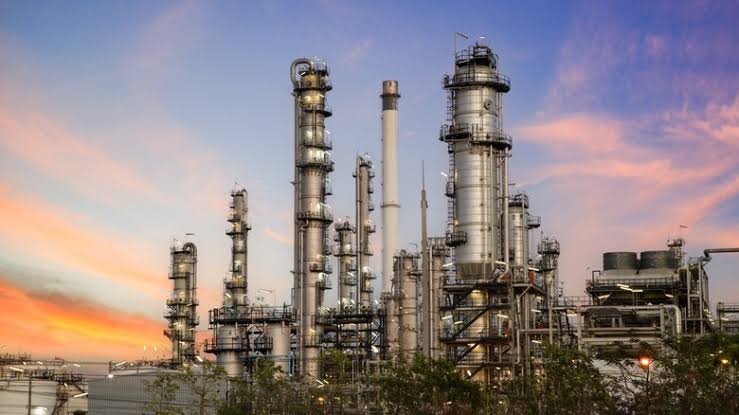
Oil started Thursday on the back foot and ended up somewhere quite different. Brent crude for December delivery, the international benchmark, climbed 2.2% to over $104 a barrel after trading about 1% lower earlier in the session. U.S. West Texas Intermediate (WTI) for November rose 1.5% to $91.74. The turnaround came after Reuters reported that Chinese refiners had stopped exporting fuel for October. That news landed on a market already stretched thin by war.
According to that report, which relied on several unnamed sources, state oil major PetroChina Company Limited (HKEX: 0857.HK) cancelled a number of gasoline and jet fuel cargoes it had planned to ship this month. PetroChina had agreed to most of those deals within the previous two weeks. Exports beyond Hong Kong and Macau are on hold until Beijing says otherwise, following the Golden Week holiday that runs until October 7. It is not clear whether approvals will resume once the holiday ends, and the decision may depend on domestic fuel inventories and refinery output.
To see why this matters, it helps to separate crude oil from the products made from it. Crude is the raw material. Gasoline, diesel and jet fuel are what refineries turn it into, and they are what drivers, truckers and airlines actually buy. China runs one of the largest refining systems in the world. When it sells surplus fuel abroad, it helps keep regional supplies balanced. When it keeps that fuel at home, other buyers have to look elsewhere.
This is not the first time this year Beijing has made that choice. China halted fuel exports during the spring and early summer to protect its own supply during the Strait of Hormuz crisis, then removed most restrictions by mid-July. Shipments surged from July through September, but analysts had warned that exports could fall again in October because domestic gasoline and diesel stocks had dropped to multi-year lows.
The broader backdrop is two conflicts disrupting energy flows at the same time: the U.S.-Iran war in the Middle East and Russia’s invasion of Ukraine. Iran has blocked the Strait of Hormuz, the narrow waterway that normally carries a large share of Gulf oil, which forced producers to find other routes.
One of those routes has started working again. Saudi Arabia restarted its East-West Pipeline, which carries crude across the country to the Red Sea, and resumed tanker loadings at its port of Yanbu. David Morrison, senior market analyst at Trade Nation, said the pipeline has carried much of the burden of getting crude out of the Gulf. He added that analysts believe it is running well below full capacity, but simply having it open has eased some pressure and helped prices pull back.
That relief explains an odd split now showing up in the market. Analysts at United Overseas Bank Limited (SGX: U11.SI) wrote today that crude flows from the Middle East appear to be approaching prewar levels. Fuel supplies, gasoline in particular, have not kept pace. Put plainly, the raw material is moving again, but the finished products are still scarce. A pause in Chinese fuel exports lands right in that weak spot.
Diplomacy offers little near-term comfort. U.S. and Iranian officials reportedly held separate, indirect talks with mediators on Monday while in New York for the UN General Assembly. According to MS NOW, Secretary of State Marco Rubio then ordered the visiting Iranian delegation to leave once the assembly ended, adding to doubts about a quick settlement.
The coming weeks will likely turn on three questions. The first is whether Beijing lets refiners resume exports after Golden Week. The second is how much more crude the Saudi pipeline can move as it ramps up. The third is whether talks between Washington and Tehran produce anything concrete. Until those answers arrive, oil prices may react less to how much crude exists and more to how much usable fuel actually reaches the people who need it.
