
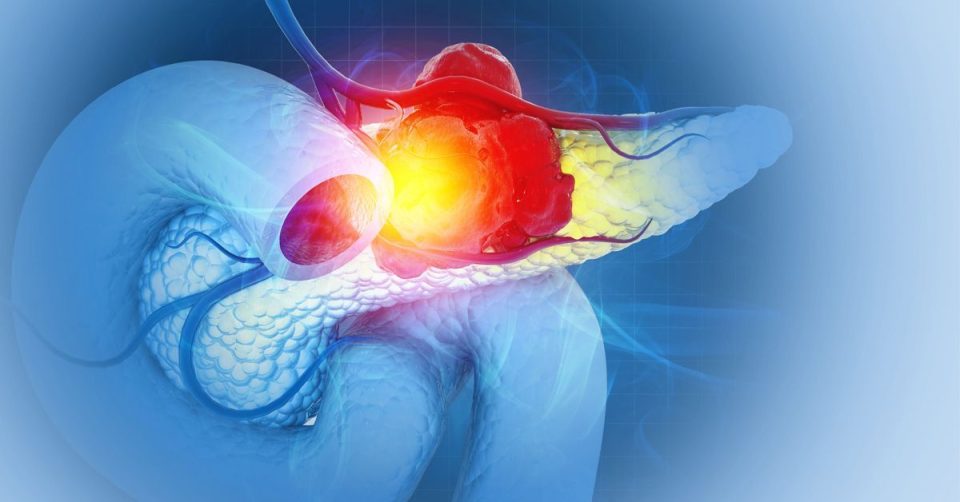
Pancreatic cancer claims more American lives each year than all but two other cancers. The American Cancer Society estimates that 67,530 people in the United States will be diagnosed with the disease in 2026 and that 52,740 will die from it. That makes it the third leading cause of cancer death in the country, behind only lung and colorectal cancer.
The survival figures show why the disease draws so much attention. Only 13% of patients are alive five years after diagnosis, a rate that has not improved for three straight years, while survival for all cancers combined has reached 70%. Pancreatic cancer is the only major cancer with a five-year survival rate below 20%, and patient advocates expect it to become the second leading cause of cancer death in the U.S. by 2030.
Late detection is a large part of the problem. There is no routine screening test for the general population, and symptoms often appear only after the disease has advanced. About 51% of cases are found after the cancer has spread to distant organs, and just 15% are caught while still confined to the pancreas. Five-year survival is 44% when the tumor is localized but only 3% once it has spread. The median age at diagnosis is 71.
Researchers have increasingly focused on the genetic mutations that drive these tumors. One of the most common is KRAS G12D, which appears in about 40% of pancreatic cancers, according to Verastem. No therapy approved by the U.S. Food and Drug Administration targets it specifically.
Verastem, Inc. (NASDAQ: VSTM), a Needham, Massachusetts drug developer that operates as Verastem Oncology, is testing a once-daily pill called VS-7375 designed to block that mutation. Before markets opened today, the company released early trial results for the drug, priced a stock offering of about $250 million and announced a change in chief executive.
Among patients whose pancreatic cancer had progressed after one prior treatment, 4 of 8 who received the 900 mg dose had a confirmed response, meaning their tumors shrank by a set amount and stayed smaller on a later scan. Across 22 previously treated patients, 9 responded, or 41%. Two of them saw their measured tumors disappear, although only one of those results has been confirmed. Sixteen of the 22 remained on treatment, and only 2% of patients given that dose across tumor types stopped because of side effects.
The sample is very small, and one response more or less would move the 50% figure by about 12 points. These are early, open-label results with no comparison group. The company says it has agreed with the FDA on the design of a Phase 3 trial in newly diagnosed metastatic pancreatic cancer and plans to open it by year-end.
To pay for that work, Verastem priced 30,937,500 shares at $8.00 each, plus pre-funded warrants for up to 312,503 more, for gross proceeds of about $250 million. The deal is expected to close on or about October 15th. The new securities add roughly 31.25 million shares to about 90.6 million outstanding, an increase of about 33%, for a company currently valued at about $750 million.
Leadership is also changing. Michael P. Bailey, a board member since May with more than 30 years in the industry, becomes president and CEO on January 1, 2027. He succeeds Daniel Paterson, who is retiring after 15 years with the company and will remain a director and advisor.
Larger trials will determine whether VS-7375 can change the outlook for a disease where most patients have few options. The new funding gives Verastem the means to run them, and the next set of results will show whether today’s numbers hold up as more patients are treated.
