
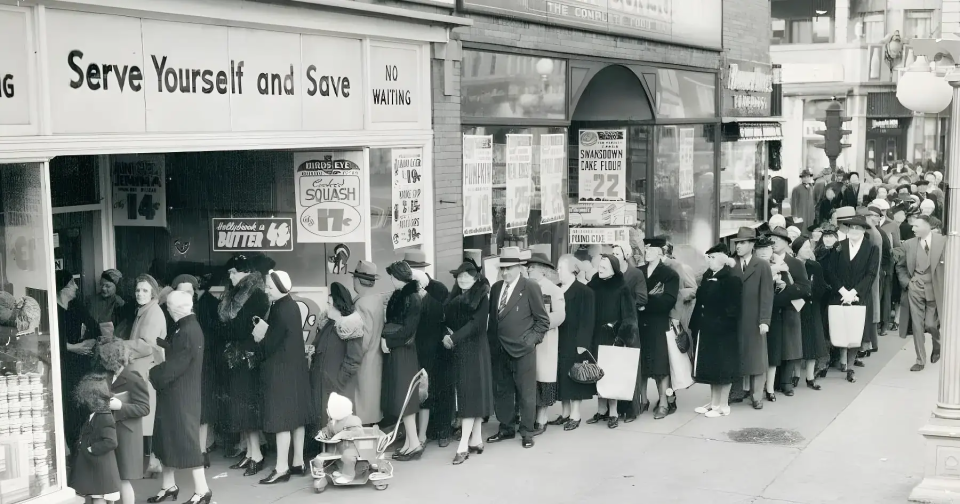
Black Friday is widely known as the busiest shopping day of the year in the U.S., but its history is more complex and nuanced than many realize. The term “Black Friday” did not originally describe a bustling sales event but had different connotations over the years. Its roots trace back to the 1950s and 60s in Philadelphia, where police used the phrase to describe the heavy traffic and crowds overflowing the city on the day after Thanksgiving, as shoppers flooded stores ahead of a major Army-Navy football game. Retailers later adopted this day as the unofficial start of the holiday shopping season, gradually developing it into a significant commercial occasion. The narrative that Black Friday marks the point when retailers move “from being in the red to in the black,” meaning turning a profit, gained traction in the late 1980s but only became mainstream in the 1990s as big retailers began opening earlier and offered deep discounts to draw crowds.
Black Friday has evolved dramatically from a one-day event into an extended season that captures the attention of millions of consumers and retailers alike. By the early 2000s, it overtook the Saturday before Christmas as the busiest shopping day as brick-and-mortar stores competed fiercely to attract shoppers with doorbuster deals and early openings. The rise of e-commerce further transformed the landscape, with online shopping complementing and sometimes competing with physical stores. Cyber Monday, the Monday following Black Friday, has grown into a rival sales day, emphasizing online deals. Many retailers now spread their Black Friday offers across the entire month of November to capture early shopping behavior, shaping what some call “Black November” rather than a single day rush.
Looking ahead to 2025, retailers are expecting a dynamic and competitive Black Friday season. There is anticipation of a surge in sales as consumers continue to shop with a focus on value, personalized experiences, and convenience. Retailers are investing in omnichannel strategies, integrating physical stores, online marketplaces, mobile apps, and direct-to-consumer platforms, to meet shoppers on their preferred channels. Technological advancements play a significant role, with generative artificial intelligence and data analytics helping retailers tailor deals and communications to individual preferences. Mobile shopping continues to grow, with many consumers using smartphones for price comparisons, scanning QR codes, and completing purchases instantly. Shoppers are also looking for meaningful discounts, with half expecting savings between 26% and 50% on key products.
Industry voices highlight the importance of balancing deal depth with customer experience. Analysts emphasize that consumers are no longer just after the lowest prices but also appreciate seamless, personalized interactions and fast service as factors influencing their choices. Some retailers are scaling back from the frenzy of opening stores on Thanksgiving night or early Black Friday morning as they aim to reduce employee burnout and negative public sentiment. Meanwhile, the competitive pressure remains intense to capture early holiday spending, which now represents a significant portion of annual retail revenue. Experts warn that retailers failing to adapt to evolving consumer demands and technological shifts might lose relevance in this fast-changing landscape.
Understanding Black Friday’s origins and its current trajectory offers valuable perspective on the retail event that shapes the U.S. holiday season every year. From crowded city streets in Philadelphia to digital storefronts accessed globally, Black Friday is an event shaped by tradition and transformation. In 2025, it will again challenge both retailers and consumers to navigate a marketplace rich with options and expectations.
