
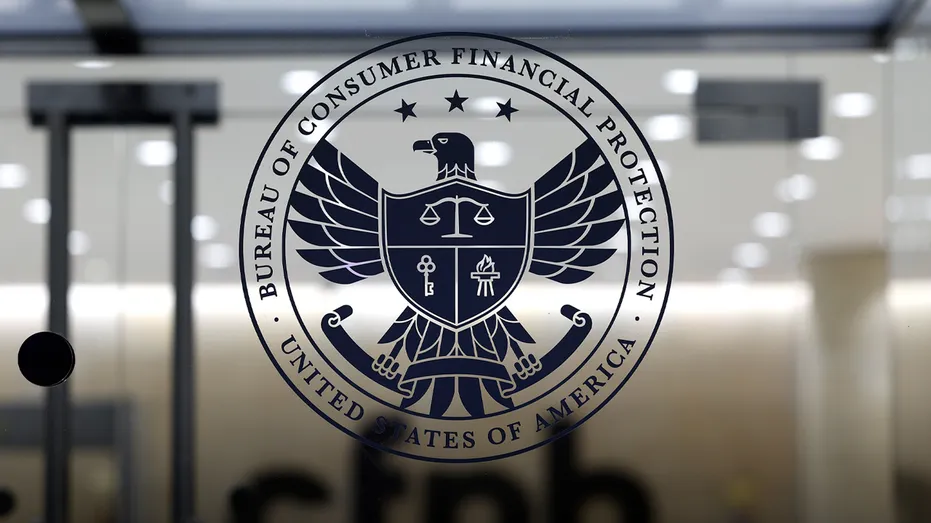
A federal judge in Washington, D.C. has ordered the Trump administration to restore funding to the Consumer Financial Protection Bureau, reversing a move that had effectively frozen the agency’s operations. Judge Amy Berman Jackson’s 32-page decision reaffirmed the legality of the CFPB’s funding structure and questioned the administration’s interpretation of its authority to restrict it. The ruling marks the latest chapter in a long-running battle over how much independence a federal consumer protection agency should have from the executive branch.
The Consumer Financial Protection Bureau, often called the CFPB, was created in 2010 in the aftermath of the global financial crisis. Its purpose was straightforward: to ensure that banks, credit card companies, and other financial firms treat consumers fairly and provide clear information about loans, fees, and interest rates. What makes it unusual is that it does not receive annual funding from Congress. Instead, it draws its budget directly from the Federal Reserve System, up to a legal cap each year. This setup was designed by lawmakers to insulate the agency from political interference that might come from Congress controlling its funding.
When Donald Trump returned to office in 2025, he renewed his efforts to dismantle the CFPB, an agency he has repeatedly criticized as an obstacle to business growth. His administration advanced an unconventional legal theory that the Federal Reserve had no “combined earnings” available to fund the bureau, relying on a memo from the Department of Justice’s Office of Legal Counsel. Based on this advice, the administration directed the Fed to withhold the CFPB’s funding. That action brought much of the agency’s work to a standstill and raised questions about how long it could continue operating without access to its usual budget.
In her decision, Judge Jackson rejected that rationale outright. She described the argument as “manufactured by the defendants” and said the administration’s conclusion had no basis in law. Her ruling emphasized that Congress had deliberately structured the bureau’s funding to flow through the Federal Reserve, not through the executive branch, and therefore the president could not unilaterally cut it off. The online text of her decision made clear that the administration’s move represented an overreach of executive authority and a misunderstanding of the CFPB’s statutory design.
Legally, this case touches on a larger constitutional question: how to balance agency independence against presidential control. The CFPB’s funding method has long been controversial. Critics argue it shields the bureau from democratic accountability, while supporters counter that this independence allows it to pursue enforcement actions without political pressure. The Supreme Court has already ruled on aspects of the bureau’s structure in earlier years, deciding that the president could remove its director at will, though the agency’s funding setup remained intact. The D.C. District Court’s new ruling effectively reinforces that arrangement, at least for now.
Politically, the decision places the administration in a challenging position. Trump has made cutting regulatory oversight a central theme of his economic agenda, presenting it as a way to unleash financial and corporate growth. His opponents, including many Democrats and consumer advocates, say defunding the CFPB would undermine protections that have returned billions of dollars to consumers since the agency’s founding. Restoring its funding means the bureau can continue investigating complaints, monitoring lending practices, and imposing penalties against deceptive or abusive behavior in the financial sector.
The broader economic impact of the ruling will depend on whether the administration appeals the decision and how financial firms respond to renewed oversight. Businesses may view the CFPB’s renewed activity as a signal that regulatory enforcement will tighten again. For consumers, it represents a continuation of protections that touch nearly every household, from credit card billing to mortgage lending.
The case also raises a deeper policy question about the stability of independent federal agencies. If the funding of one watchdog can be halted through executive interpretation, then the independence of other similar bodies could also be tested. Judge Jackson’s ruling underscores that, despite shifting political priorities, core consumer protection functions remain anchored in a legal framework built to outlast election cycles.
