
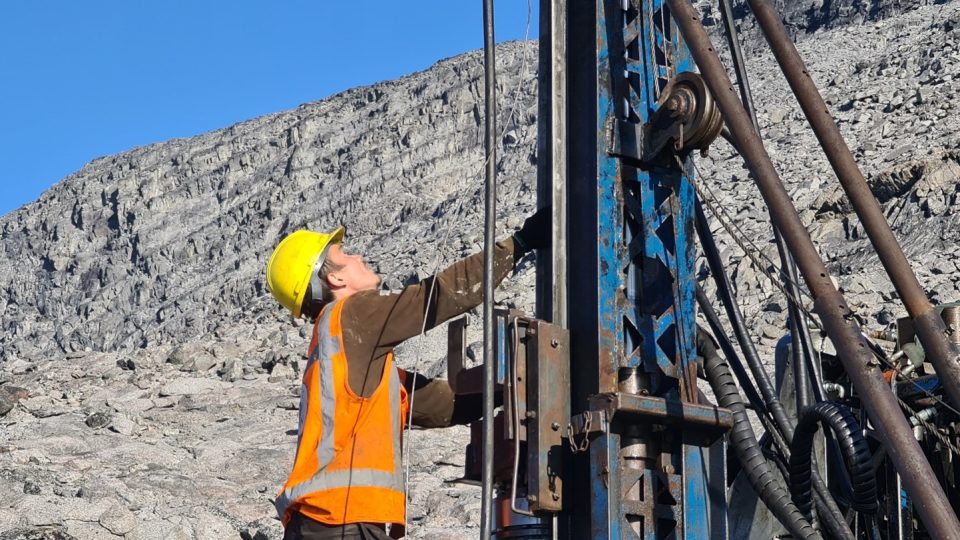
Talga Group (OTCQX: TLGRF) and Sociedad Química y Minera de Chile (SQM) have decided to end their partnership over the Aero project in Sweden, with the termination taking effect immediately. This move comes after both companies failed to satisfy certain conditions set by Swedish authorities within a reasonable timeframe, specifically the Swedish Inspectorate for Strategic Products. Neither party will incur any liabilities from this termination, which aligns with the original terms they agreed upon last year.
The Aero project, located in northern Sweden, was attractive due to its holdings of critical minerals like gallium, caesium, and lithium. Talga identified these minerals through surface geochemical sampling programs conducted in 2023, with additional surveys completed during the European summer, and the final results are currently being finalized.
Despite this setback, Talga remains optimistic about the potential of the project. The company has signaled its intention to keep exploring other options and intends to engage with different interested parties to unlock further value from the site. This proactive stance reflects Talga’s focus on advancing its operations in the critical minerals space, particularly for materials essential in battery manufacturing and electronics.
The Aero project’s initial discovery was based on Talga’s surface geochemical sampling, which highlights the ongoing interest in the site’s mineral potential. The project’s significance is tied to the increasing demand for high-tech materials used in electronics, electric vehicles, and renewable energy infrastructure. The minerals in question, including gallium and caesium, are key components in advanced technological applications, making the project a noteworthy asset despite the recent JV termination.
While the partnership between Talga and SQM has ended, the companies’ respective focuses remain distinct. Talga specializes in battery anode materials and advanced graphitic products, aiming to support the electric vehicle supply chain. Meanwhile, SQM, a global player in lithium, plant nutrients, iodine, and other chemicals, has been exploring opportunities to expand its lithium portfolio in Europe, including Sweden.
The end of the JV does not mark the conclusion of Talga’s ambitions in the region. Instead, it signals a shift toward seeking new collaborations that could bring the Aero project closer to realization. Such moves are increasingly common in the critical minerals sector, where regulatory hurdles and geopolitical factors often influence project development timelines.
Given the global push for sustainable energy and the rising importance of domestically sourced critical minerals, Talga’s pivot to new partners could prove beneficial. The company’s focus on developing high-performance materials and its existing expertise positions it well to capitalize on the expanding European market for battery raw materials. For SQM, the termination perhaps emphasizes the challenges of fast-tracking projects within complex regulatory environments, but it also leaves open the possibility of revisiting the opportunity with different strategies or partners in the future.
As the energy transition accelerates worldwide, demand for the types of minerals present at the Aero project is expected to grow. Lithium and gallium are especially sought after, given their roles in lithium-ion batteries and electronics, respectively. Whether Talga finds a new partner or explores alternative pathways, the project’s mineral potential remains relevant. The company’s ongoing surface surveys and the interest expressed by multiple parties suggest that the site’s value endures despite the recent JV interruption.
In the bigger picture, while regulatory delays and project setbacks are frustrating, they are also part of the evolving landscape for resource development in sensitive geopolitical and environmental contexts. Talga’s strategy to adapt and seek new partnerships exemplifies the resilience needed in this industry, especially as critical mineral supply chains are reshaped by shifting policies and technological demands.
