
Travelers who fly often know that airlines charge for checked bags these days. That has been true for years. JetBlue (NASDAQ: JBLU) took a step that many noticed first. The carrier raised its fees by as much as $9 per bag. This change came amid sharp rises in jet fuel costs. The trigger was the Iran war disrupting oil supplies from the Middle East. Jet fuel prices jumped close to double in some spots. For context, jet fuel hit levels over $200 per barrel in early 2026. Airlines buy massive amounts of this fuel. A sudden spike eats into their operating budgets fast.
JetBlue acts as one example of carriers reacting to real pressures. Fuel makes up a big chunk of what airlines spend to fly planes. When prices climb due to global events, those costs add up quickly. The Iran war has tangled shipping routes and tightened supply. This keeps fuel expensive longer than usual. JetBlue passed some of that on through higher bag fees. Customers now pay more to check luggage on many routes. The move helps offset the hit to profits. It also signals what others might do soon.
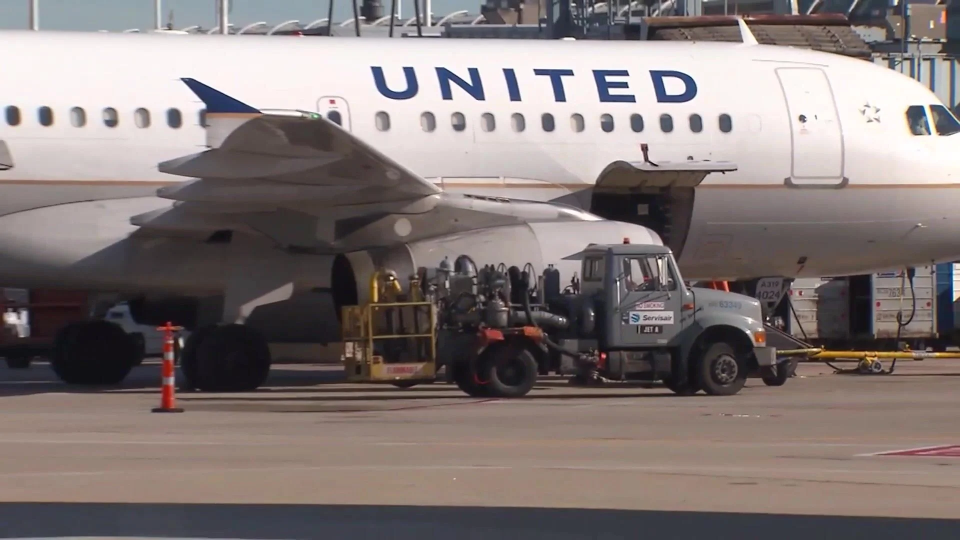
United Airlines (NASDAQ: UAL) made a similar call just days later. Starting last Friday, most travelers pay $10 more to check bags. This applies to flights in the United States, Mexico, Canada, and Latin America. The first checked bag now costs $45. The second runs $55. Like JetBlue, United points to rising jet fuel as the main reason. The Iran war fuels those costs by messing with global oil flows. United flies huge networks across those regions. Higher fees help cover the extra expense without raising ticket prices everywhere.
These changes hit economy passengers hardest. Basic fares often exclude free bags. Families or business folks with gear pay up front. United keeps carry-on rules the same for now. That gives some relief. Still, the hike adds real dollars to trips. A round trip with two bags per person means $200 extra for a group of four. Fuel volatility turns small trips into budget surprises.
Airlines run on thin margins. Fuel accounts for 25% to 30% of their expenses in normal times. The Iran war pushed that share higher. Oil output from key areas dropped. Tankers avoid risky waters. Refineries strain to meet demand. Jet fuel followed crude prices up over 85% from early 2026 lows. Carriers like JetBlue and United burn millions of gallons daily. A 10% fuel jump can wipe out quarterly profits if unchecked.
Bag fees started as a side revenue stream back in 2008. Now they bring in billions yearly across the industry. In 2025 alone, U.S. airlines collected over $7 billion from checked bags. These hikes add to that pot. For JetBlue, the $9 increase might bring in tens of millions extra. United’s $10 bump could top $100 million annually. Profits stabilize as fees rise. Shareholders notice when fuel erodes earnings. Boards push management to act fast.
Higher bag fees do more than annoy flyers. Businesses feel it too. Companies send employees on trips with equipment. Sales teams carry samples. That means higher travel budgets. Firms might cut trips or switch to video calls. Fuel volatility hits suppliers next. Oil service firms boom then bust. Ports handle pricier imports. Consumers pay indirectly through goods prices. Inflation ticks up as energy costs spread.
The broader economy watches oil closely. Middle East tensions have rippled before. Think 1970s embargoes or 2014 drops. Now the Iran war adds uncertainty. If it drags, fuel stays high into 2027. Airlines pass costs along. That slows spending on leisure travel. Hotels and restaurants near airports book fewer rooms. Jobs in aviation face pressure if profits falter long term.
Delta Air Lines and American Airlines have not hiked yet. Both raised fees in prior years. Delta went up in 2024. American tweaked rules in early 2026. Analysts expect them to follow JetBlue and United soon. Fuel costs spare no one. Delta flies international routes heavy on fuel. American covers domestic hubs. A $10 match would fit industry patterns. Watch for announcements in coming weeks. If jet fuel holds above $200, more changes seem likely.
Travelers adapt by packing light. Loyalty programs offer free bags. Credit cards waive fees. Basics like weighing bags at home save money. Airlines balance customer gripes with survival. Fuel volatility keeps everyone guessing.
These fee jumps remind us how global events touch daily choices. A war far away raises the cost of a weekend getaway. Airlines chase stability amid chaos. Profits hold steady for now, and fliers learn to travel smarter. As fuel ebbs or flows, so will the prices we pay.
