
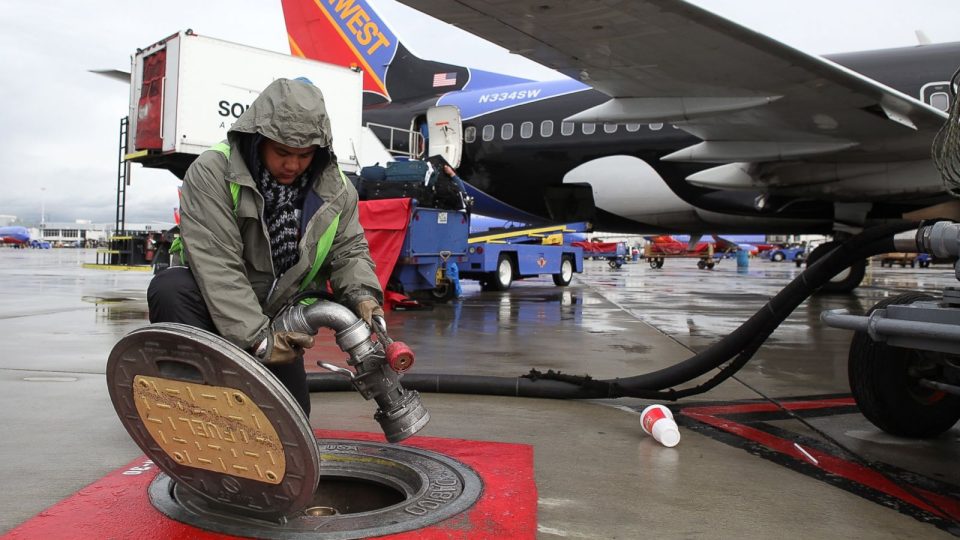
Air travel depends on jet fuel more than most people realize. It typically makes up about a quarter of an airline’s operating costs. When global oil prices rise, as they have lately from Middle East tensions, those expenses climb fast and cut into profits. Jet fuel recently reached nearly $4 per gallon, up 60% from around $2.50 earlier this year. Supply disruptions tied to Iran war drive much of this shift. Major U.S. airlines now face over $11 billion in added fuel costs for 2026.
Delta Air Lines (NYSE: DAL) shows the impact clearly. The carrier expects its fuel expenses to rise 10% or more this year, offsetting gains from busy flights. United Airlines (NASDAQ: UAL) and American Airlines (NASDAQ: AAL) deal with the same issue. Analysts predict $400 million to $1 billion extra per airline. Fuel sits as the second biggest cost after labor, so a surge like this drops margins by 80 to 110 basis points.
Travelers see the effects in higher fares. Airlines add surcharges or lift base prices by 11% to 20% on popular routes. Demand stays solid, particularly for spring bookings from business and leisure flyers. Corporate passengers, who opt for premium seats with extra space, tolerate the increases better. Delta forecasts 20% profit growth in 2026 through more focus on these lucrative options and loyalty programs.
Carriers also manage capacity by cutting flights or routes. United and American plan schedule reductions if fuel prices hold high. This avoids excess seats that lower revenue. The tactic succeeded in past oil spikes by keeping planes fuller and fares stable. Southwest Airlines Co. (NYSE: LUV) uses fuel hedging to lock in rates for part of its needs. This cushions it more than competitors without such coverage.
Hedging covers 20% to 40% of fuel for many airlines. It secures prices ahead, but expiring contracts expose them to $100 plus oil barrels. Ancillary income from bags, seats, and upgrades now brings in 10-15% of revenue. Newer planes that use less fuel help too. Delta’s Boeing 787 orders aim at long-term efficiency gains.
Labor costs prove harder to adjust quickly. Fuel volatility thus draws the sharpest responses. Bookings indicate passengers accept small fare bumps for now. Geopolitical calm could ease prices, but ongoing risks call for constant tweaks.
Airlines adapt by sharpening cost controls and revenue mixes. Strong travel needs, combined with premium cabin growth, keep the industry flying despite fuel headwinds.
