
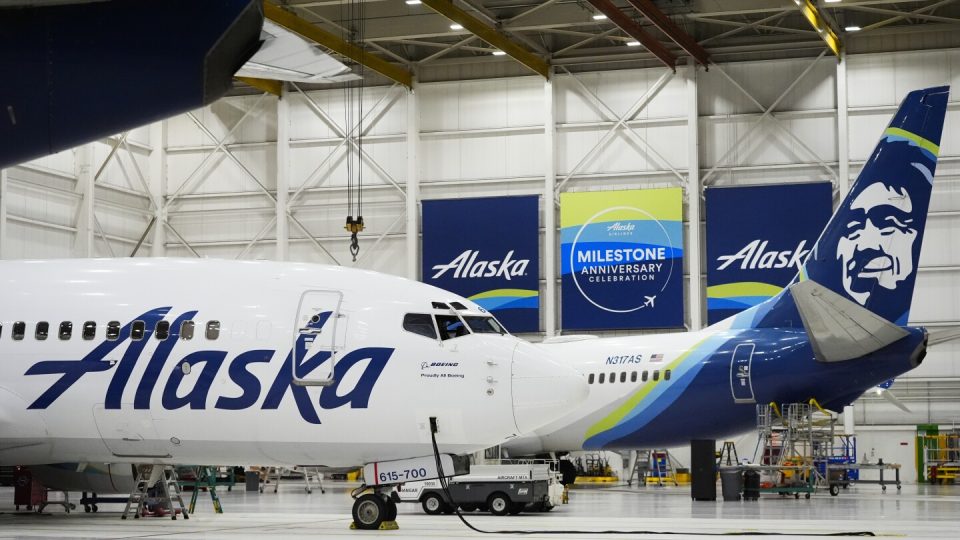
Alaska Airlines (Nasdaq: ALK) faced a substantial technology hiccup late Sunday, disrupting travel plans across its network and grounding both its own flights and those operated by its regional partner, Horizon Air. The incident unfolded around 8 p.m. Pacific on July 20, prompting an immediate blanket halt to all aircraft movements across the system. Travelers quickly found themselves stranded in terminals, staring at departure boards that all read the same: delayed.
The ground stop stretched for several hours, with the last update from the airline on their social media channel, X, indicating that operations only resumed after 11 p.m. Pacific. For East Coast travelers, this disruption hit near bedtime, but for those on the West Coast, it spelled an unexpectedly long evening at the airport. The company explained the cause was an IT outage that struck its systems with little warning, causing a ripple effect on scheduling, crew management, and flight operations.
While the immediate halt has been lifted and flights are airborne again, Alaska Airlines has cautioned that the fallout from the technical problem is not completely resolved. Early Monday morning brought warnings of “residual impacts,” meaning that passengers could continue to see delays, missed connections, and potentially misplaced bags.
For those in the industry, these sorts of events serve as reminders of just how reliant airlines are on the smooth running of technology behind the scenes. Air travel is a tightly choreographed dance, with crews, aircraft, ground handlers, and check-in agents all depending on systems that track the smallest detail from weather updates to passenger manifests. When one link of the chain breaks, operations can grind to a halt almost instantly.
Airline IT outages are far from rare, though how companies respond often shapes the public’s perception. Alaska Airlines communicated quickly via X, letting customers know the timing of the outage and the efforts to restore flight activity as soon as possible. The company did not, however, disclose the exact technical issue, fueling speculation among industry watchers about whether it was a software glitch, a cyber incident, or simply an internal server failure.
A significant consideration for passengers is how the airline manages the immediate aftermath. With flights resuming, focus now moves to rebooking customers, accommodating overnight stays, and fast-tracking those with tight schedules. Alaska Airlines will likely continue to work through the backlog, and social media will remain a key channel for updates as the day progresses.
For business travelers and those connecting through busy West Coast hubs, the disruption will have lasting effects, from missed meetings to changes in travel itineraries. Historically, it can take an airline several days to fully recover from a major IT failure, especially if the outage occurs during a high-volume period like a summer weekend.
Shareholders may be watching to see if there are any lasting financial repercussions, although Alaska Airlines is hardly alone in encountering technical turmoil of this kind. Delta, Southwest, and others have all seen operational chaos from system outages in recent years, often leading to critical introspection and investments in more robust digital infrastructure.
The airline’s transparency and communication will likely set the tone for the coming days as stranded travelers make their way to their destinations and Alaska Airlines works to regain its rhythm. While the skies above the West Coast are once again dotted with Alaska’s planes, many travelers and staff will remember this as a reminder that even the best-run operations remain at the mercy of their digital backbone.
