
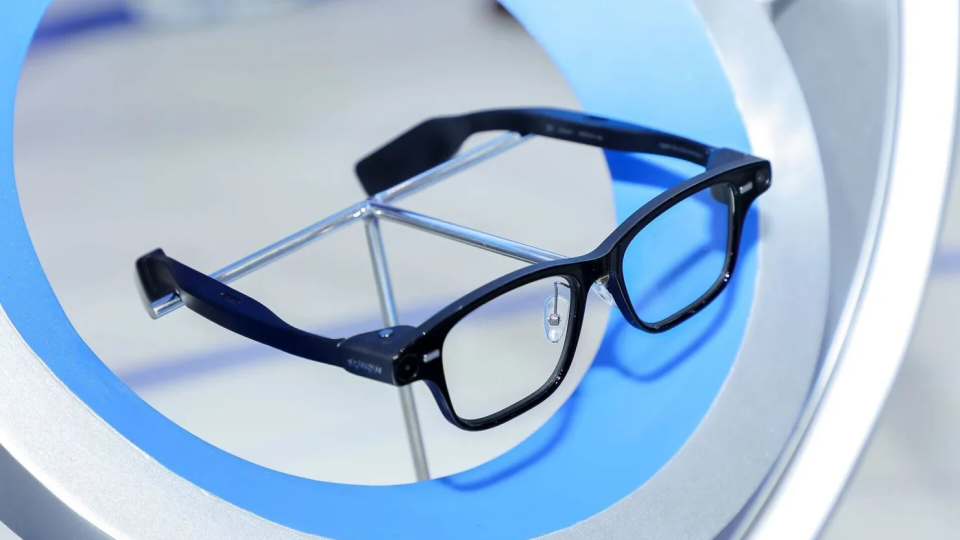
Imagine slipping on a pair of glasses that whisper translations in your ear, overlay shopping tips on real-world objects, or jot down meeting notes without touching a keyboard. Alibaba Group Holding Limited (NYSE: BABA) has brought that vision closer with its Quark AI glasses, marking a bold entry into consumer hardware. The lineup includes the premium S1 model at $537 (CNY 3,799) and the entry-level G1 at $268 (CNY 1,899), now available on platforms like Tmall and JD.com, plus stores across China.
These glasses pack practical features for daily use. The S1 offers micro-OLED displays for subtle augmented overlays, such as navigation from Amap or product details while browsing Taobao. Both models include cameras, bone-conduction speakers for calls, and swappable batteries that last up to 24 hours, solving the common gripe of dead wearables mid-day. Alibaba integrates its Qwen AI models directly, linked to a new Qwen app for voice-driven tasks like music playback from QQ Music or Alipay payments via QR scans. A Qualcomm Snapdragon AR1 Gen 1 chip keeps AI processing snappy and power-efficient.
Tech giants see smart glasses as the natural follow-up to smartphones, a device that dominated for nearly two decades before hitting saturation. Meta Platforms, Inc. (NASDAQ: META) tripled revenue from its Ray-Ban smart glasses partnership, showing demand for eyewear that records moments or handles chats hands-free. Alibaba mirrors this bet but ties features tightly to its ecosystem, from e-commerce scans to real-time translations for travelers. Launching at China’s World Artificial Intelligence Conference, the glasses arrive as local AI enthusiasm grows, with frames 40% lighter than bulkier rivals for better all-day wear.
From a business angle, this hardware push fits Alibaba’s shift toward AI dominance after years leading in cloud and online retail. Quark, its AI assistant app with millions of users, now extends from screens to the physical world, handling tasks like live transcription or stock checks. Domestic sales test the waters first, with global plans via AliExpress in 2026, though export hurdles like U.S. chip restrictions could slow expansion. Consumer risks include privacy concerns from constant cameras and whether battery life holds in real heat or heavy use. Still, multimodal AI that blends voice, vision, and context sets these apart from phone-tethered alternatives.
Other players highlight the high stakes in this hardware gamble. Meta excels in stylish designs popular with influencers, while Alibaba prioritizes utility for its vast user base in shopping and payments. Enterprise potential lurks too, with hands-free tools for warehouses or field work. Battery swaps and open-ear audio tackle flaws in earlier glasses, like discomfort or muffled sound. Success here could redefine how billions interact with AI daily.
Alibaba’s move underscores a broader industry pivot, where software empires test physical products to stay relevant. These glasses probe if AI wearables can weave into routines as seamlessly as AirPods did for audio. With Qwen’s smarts and ecosystem glue, Quark devices challenge users to ditch screens for eyes-on experiences, potentially reshaping computing one glance at a time.
