
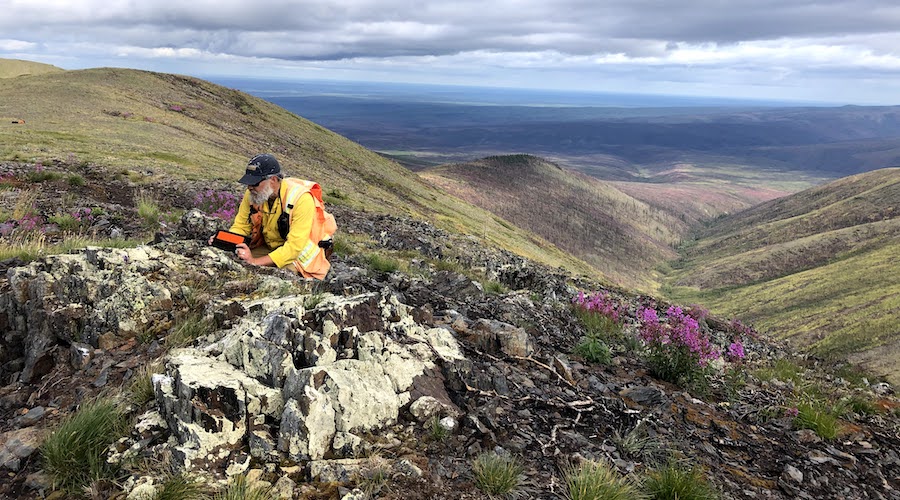
Altius Minerals Corporation (TSX: ALS, OTCQX: ATUSF) is celebrating a decisive outcome in its Silicon royalty arbitration process, signaling a significant boost to its presence in Nevada’s emerging Arthur Gold district. The final award issued by the arbitration tribunal not only confirmed Altius’s existing 0.5% net smelter return (NSR) royalty on a core section of the district but also expanded the territory on which the royalty applies. This expansion now covers the entirety of a 26.8 square kilometer base area and absorbs roughly another 168.8 square kilometers, bringing the total royalty area up to an impressive 195.6 square kilometers. For a company entrenched in the business of extracting value from royalties, this represents a potentially transformative development.
This new clarity has broader implications for Altius’s business model as well as for the district’s development. The recognition of a far larger royalty footprint means that Altius stands to benefit from a wider swath of future gold production in the district, a move that underlines just how powerful royalty agreements can be when their boundaries are clarified in a fast-growing region. Maps and more detail on the exact land covered can be found on Altius’s own investor portal.
But perhaps most notable for investors is that this ruling sets off another string to Altius’s bow: it fulfills the conditions linked to a major contingent payment in its earlier royalty sale to Franco-Nevada Corporation. To recap, Franco-Nevada had agreed to pay Altius an additional $25 million if and when the tribunal confirmed the expanded royalty area, contingent on there being no further appeals or challenges. With that milestone now achieved, Altius can expect this payment, further strengthening its financial position.
While these developments are specific to one of Altius’s many bets on the mining sector, they reflect the company’s diversified royalty strategy. Instead of operating mines themselves, Altius invests in royalty interests across a broad portfolio of mines and projects, focusing on commodities ranging from potash and iron ore to renewable energy, base metals and, of course, gold.
That focus on royalty agreements offers several advantages. For one, royalties are typically paid from the top line of project revenue, giving Altius income that is less sensitive to fluctuations in operating costs or capital expenditure. In addition, as the new Silicon district award confirms, royalties can also gain in value as projects grow or as legal boundaries are clarified. In the Silicon case, this means that as the Arthur Gold district expands and more gold is produced, Altius’s income stream stands to outpace that of a simple static investment.
The Silicon royalty story is just the latest in a string of savvy moves by a company that emphasizes long-life, high-margin royalty holdings above operational risk. Altius’s presence on key indices such as the S&P/TSX Small Cap Index, S&P/TSX Global Mining Index, and the S&P/TSX Canadian Dividend Aristocrats Index is a testament to its status as a stable dividend player in the Canadian market. The company is not only a notable fixture in mining finance, but also a meaningful example of how royalty models can provide investors with exposure to commodity upside while keeping downside in check.
As for what’s next, Altius shows no sign of slowing down its approach. Its project generation arm continues to originate mineral assets for sale to developers, taking royalties in return, and capturing opportunities ahead of the pack. With the gold price showing resilience, and investor appetite for diversified royalty models rising, Altius’s windfall from the Silicon royalty arbitration could mark a new phase of growth for the business.
