
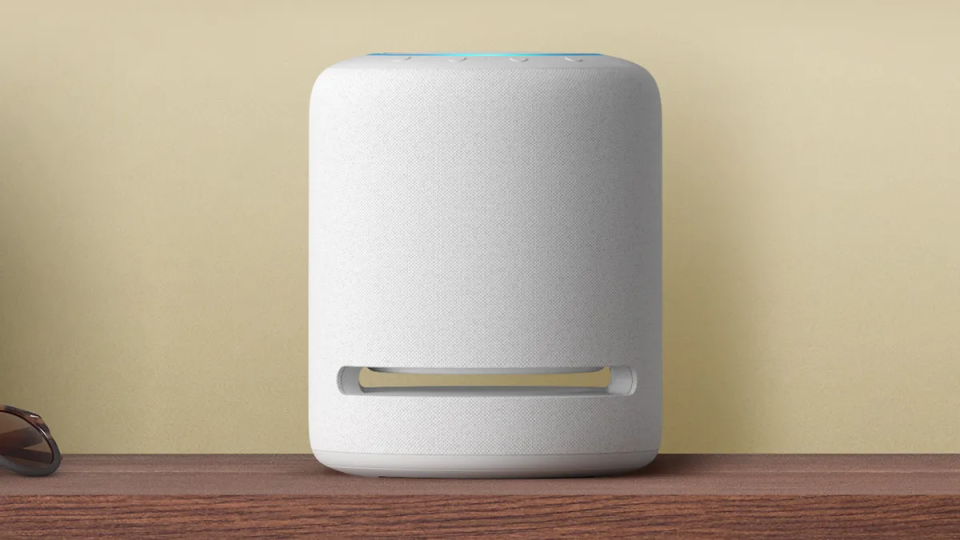
Amazon.com, Inc. (NASDAQ: AMZN) just rolled out three distinct styles for its Alexa voice assistant. These options let users choose how Alexa responds to simple questions, like “Alexa, how’s it going?” Each style brings a different flavor to interactions, making the assistant feel more tailored to personal tastes. This move comes as part of broader updates to Alexa, aiming to keep conversations fresh and engaging for everyday use.
The first style, Sweet, bursts with enthusiasm. When asked how it is doing, Alexa replies, “Absolutely fantastic! I’m radiating pure joy and ready to make your day incredibly amazing!” This approach suits people who enjoy upbeat energy in their home tech. It turns routine check-ins into moments of positivity, much like chatting with an optimistic friend over coffee. Users might find it perfect for mornings when they need a lift before heading out.
Next up is Chill, which keeps things relaxed and calm. Its response goes, “Life’s treating me well, all systems are Zen and the digital universe is spinning in harmony.” This option appeals to those who prefer a laid-back vibe, especially in quiet evenings or during work from home setups. It avoids high energy, focusing instead on smooth, harmonious replies that blend into the background without overwhelming the listener.
Then there is Brief, the no-nonsense choice. Alexa simply says, “Operating efficiently.” This style cuts straight to the point, ideal for busy folks who value speed over elaboration. Think of it as the assistant version of a quick nod in a hallway conversation. It saves time on responses, letting users move on to their actual requests faster, whether setting timers or checking weather updates.
These styles reflect a shift in how voice assistants evolve from basic tools to companions that adapt to user preferences. Amazon built them into recent Alexa updates, allowing seamless switches through voice commands or app settings. For someone new to smart speakers, this means less frustration with one-size-fits-all answers. You pick what matches your rhythm, be it lively, mellow, or direct.
Consider a family setting. Parents might go for Chill to keep things serene during kids’ playtime, while a professional in a home office opts for Brief to stay focused. The Sweet style could shine at gatherings, adding fun to group queries about recipes or music playlists. This flexibility shows Amazon’s focus on consumer habits, drawing from feedback on earlier versions that felt too uniform.
Behind the scenes, these changes tie into larger tech trends. Voice assistants now use advanced language models to generate varied tones without scripted rigidity. Amazon rolled this out alongside hardware like new Echo devices, which handle the processing for smoother delivery. Early users note it makes interactions feel more human, reducing the robotic edge of past models.
Switching styles proves simple. Say, “Alexa, switch to Sweet mode,” and it adjusts on the spot. Availability spans Echo speakers, smart displays, and mobile apps, reaching millions of devices worldwide. Amazon plans further tweaks based on usage data, ensuring the options evolve with real-world needs. This keeps Alexa relevant in homes where smart tech integrates deeper into daily life.
For businesses, these updates hint at wider applications. Imagine customer service bots adopting similar tones to match brand voices, or office assistants tailoring replies to employee moods. While Amazon targets consumers first, the tech could ripple into commercial spaces, enhancing productivity tools. It underscores how small changes in communication boost satisfaction.
Alexa’s style choices open doors to more intuitive tech experiences. They remind us that personalization drives loyalty in consumer products. As voice interfaces grow common, options like these set Amazon apart, inviting users to shape their digital helpers. What starts as a fun reply to a casual question could redefine how we talk to our devices long term.
