
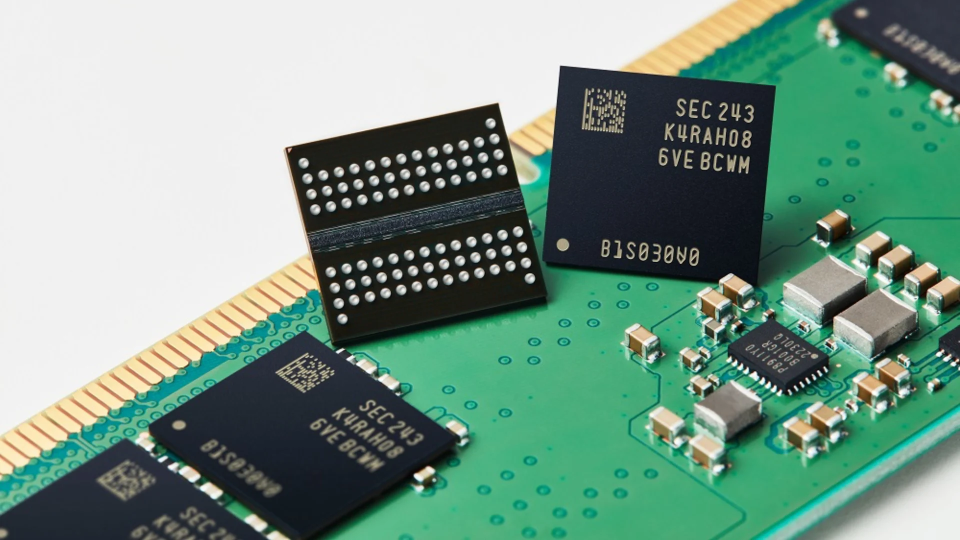
Memory chips power everything from smartphones to massive data centers. These small components store data temporarily or long term, and their demand has exploded lately. Over the last 12 months, companies making these chips saw their stock prices climb sharply. Investors noticed, pouring money into the sector. This growth came from a mix of factors that hit at the right time.
Several forces pushed prices up. First, artificial intelligence needs huge amounts of fast memory. AI models train on mountains of data, requiring high bandwidth memory, or HBM. This type holds more data and processes it quicker than standard chips. Tech giants building AI systems snapped up every chip available. Supply could not keep pace, so prices rose across the board. Companies raised production, but shortages lingered into early 2026.
Data centers also played a big role. Cloud providers expanded to handle AI workloads. Each server rack needs stacks of memory chips to run smoothly. Electric vehicles and smartphones added steady demand too. Makers shifted focus from consumer gadgets to enterprise needs, stabilizing sales. Global supply chains tightened after years of ups and downs, giving producers control over pricing. All this created a perfect storm for stock gains.
Take Micron Technology (NASDAQ: MU). Its shares jumped around 369% in the past year. The company makes DRAM and NAND chips, key for AI servers. Revenue grew over 50% in recent quarters, with profits soaring even higher. Micron bet big on HBM, projecting billions in sales by 2028. Investors rewarded the shift to high margin products.
SK hynix Inc. (KRX: 000660) saw even steeper climbs, near 408%. Based in South Korea, it leads in HBM production. The firm reported record profits in won, with operating margins hitting 47%. Its market share in advanced memory topped 50%, locking in deals with top AI chip designers. Stock value reached hundreds of trillions of won by early 2026.
Western Digital (NASDAQ: WDC) gained over 547%. It focuses on storage solutions like NAND flash. AI training creates vast data sets that need reliable long-term storage. The company rode the wave as data center builds accelerated. Shares reflected strong quarterly results tied to these trends.
Lam Research (NASDAQ: LRCX) rounded out big winners with 198% growth. Unlike pure memory makers, it supplies equipment to etch chips. Every new fab needs Lam’s tools for HBM layers. Revenue climbed 28% year over year, with earnings up sharply. Demand for its machines mirrored the memory boom.
These examples show how interconnected the sector is. Memory makers and their suppliers all benefited. Shipments of advanced HBM grew fast, but fabs take time to build. This lag kept supply tight, boosting everyone involved. Broader semiconductor sales hit records, with memory leading the charge.
Challenges remain, though. Recent dips hit some stocks as markets cooled. Competition heats up between U.S. and Asian firms. Governments push for local production, adding costs. Still, AI growth shows no signs of slowing. Data needs keep rising, and memory sits at the core.
Longer term, the sector looks solid. Forecasts call for continued expansion through 2027. Companies investing now in capacity stand to gain most. For business readers watching tech shifts, memory chips offer a clear lesson in how niche parts drive big market moves.
