
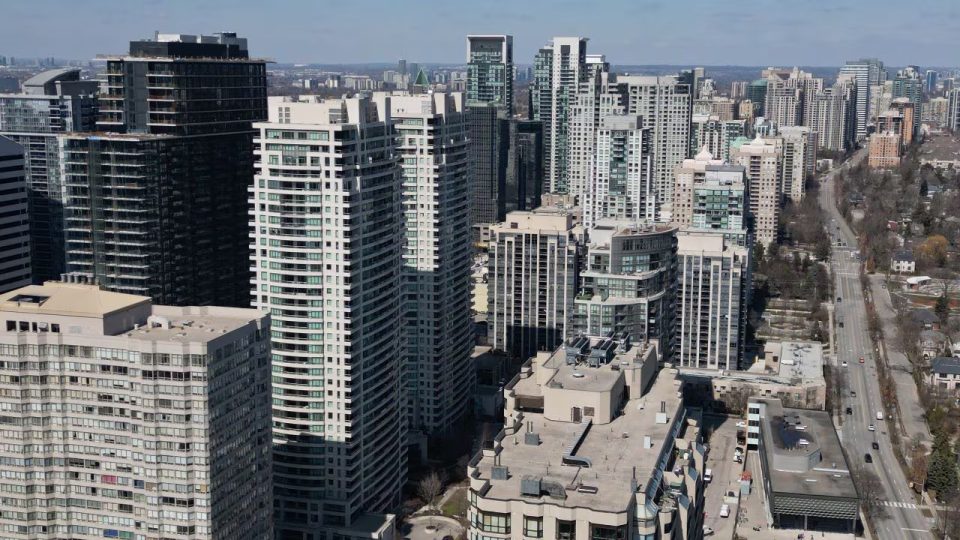
Renters across the U.S. are seeing more apartment deals these days. In January 2026, 16.6% of stabilized apartments offered concessions, up from the previous month. This rise comes as new buildings flood the market and fewer people chase leases, putting pressure on owners to sweeten the pot. RealPage Market Analytics tracked this shift, noting the average discount hit 10.7%, which often translates to about five weeks of free rent.
Stabilized apartments mean properties that have been around long enough to show steady occupancy patterns, usually after their first year or so. These are the backbone of many urban and suburban neighborhoods. When 16.6% start handing out breaks, it tells a story about the bigger picture, with too many new units arriving at once and demand not keeping pace. Owners respond by waiving rent for a month or two upfront to fill vacancies quickly.
Picture a new complex in a growing city. Construction boomed in recent years, especially in Sun Belt areas like Phoenix or Austin, where developers rushed to meet what looked like endless demand. Now those buildings stand ready, but not all units lease as fast as hoped. Nationally, concessions touched 37% of units early this year, with projections pushing toward 54% by mid-2026 in some spots, meaning effective rents drop even if listed prices stay firm.
Regional differences add layers to this trend. Sun Belt markets, with their heavy construction pipelines, face the brunt, and places like Dallas or Nashville could see stock grow 4% to 5% through 2027 from ongoing projects. Here concessions help compete in a crowded field. Contrast that with the Northeast or Midwest, where deliveries slow faster, and New York City or Chicago expect tighter supply, potentially lifting rents sooner as fewer options emerge.
Demand plays its part too. Economic uncertainty keeps some renters in place, renewing leases at bumps around 3% rather than jumping to new spots. Homeownership costs more than renting in many core markets, so people stick around. Yet as concession-filled leases expire this year, some deal hunters may shop again if new lease rates undercut renewals, and this churn could test occupancy further, especially where supply lingers.
Looking ahead, relief might come as construction cools. Starts have plunged 71% from 2022 peaks and sit below pre-pandemic levels. By late 2026, fewer deliveries could let concessions fade, stabilizing effective rents. Analysts see modest rent growth of 1% to 1.5% this year, picking up to 3% in 2027 as supply normalizes, though Sun Belt laggards like Phoenix may trail.
Owners adapt in other ways. Surveys show renters prize 12 months of discounted rent over a single free month, even at equal value. Tech tools and retention focus help too, with renewal rates near records. Policy ripples, like rent cap debates in California or Massachusetts, add caution, limiting flexibility in some areas, as these measures cap increases at inflation or 5%, covering more units and testing cash flows.
For investors and renters alike, concessions spotlight market balance. They reveal where supply outruns demand and how operators adjust. As pipelines shrink, pricing power should return, but not overnight, and markets with lingering units face longer waits.
This cycle echoes past booms, yet stands out for its scale. Nearly 592,000 units arrived in 2024, the most since 1974, driving vacancies and incentives. Vacancy rates climbed nationwide, with credit stress in securitized loans hitting Sun Belt hubs like San Antonio at 17.8% below key thresholds. Demand absorbed much of it, around 530,600 units in 2024, but gaps persist.
Owners watch absorption closely now. When it outpaces completions, concessions ease. Until then, expect deals to draw tenants. Renters gain leverage in oversupplied zones, while sparse markets tighten. The multifamily world keeps evolving, shaped by builds, moves, and money flows.
