
Smartphones have gotten noticeably more expensive over the past few years. In the U.S., the average price for a new phone now sits around $300 to $400, up from about $250 a decade ago, as manufacturers pack in advanced cameras, faster chips, and bigger screens. Flagship models from companies like Apple often start above $800, which puts them out of reach for many budget conscious buyers. People still need reliable phones for work, staying connected with family, or just scrolling through social media, but not everyone wants to spend a small fortune on the latest bells and whistles. This trend creates a real challenge for tech giants trying to keep their customer base growing.
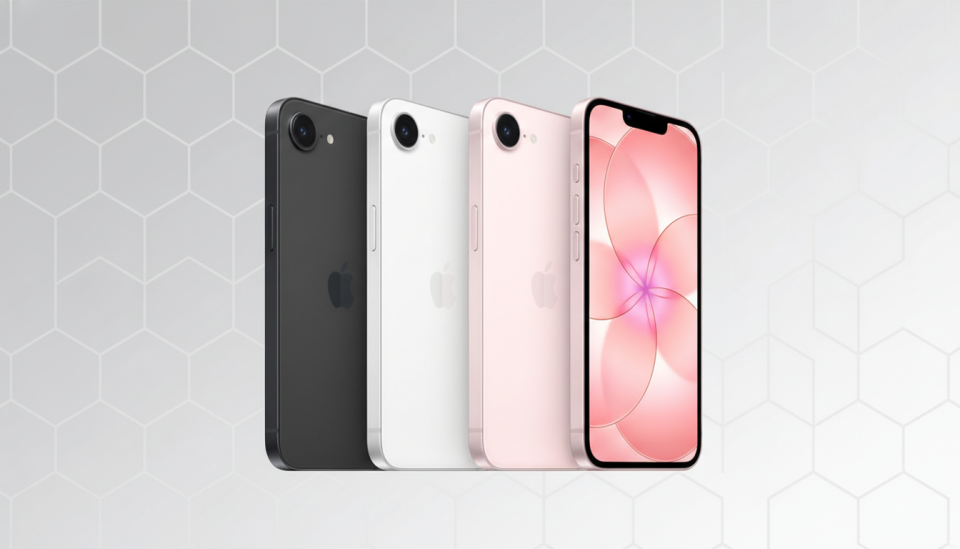
Apple (NASDAQ: AAPL) stepped into this gap with the announcement of the iPhone 17e, a more affordable option in its lineup. The company priced it at $599, the same starting point as its predecessor, making it one of the more approachable new iPhones available today. This move comes at a time when consumers feel the pinch from higher costs across the board, from groceries to gas. Apple knows that while its high-end models appeal to loyal fans and professionals, a broader audience craves solid performance without breaking the bank. By releasing the 17e now, the company aims to capture those everyday users who might otherwise turn to cheaper Android alternatives.
So why did Apple choose this moment to launch a pared back model like the iPhone 17e? Analysts point to shifting market dynamics and smart business sense. Goldman Sachs analysts, for instance, highlighted how Apple held the price steady at $599 while doubling base storage to 256GB, an upgrade that adds real value without jacking up the cost. Citi Research agrees, noting that the 17e strengthens Apples foothold in price sensitive segments, helping maintain shipment forecasts around 246 million iPhone units for 2026. Evercore ISI and MoffettNathanson have also raised price targets on Apple stock, citing the models appeal amid tariff pressures and component cost efficiencies from in house chips like the C1X modem.
The iPhone 17e shares the same powerful A19 processor as the pricier iPhone 17, ensuring smooth app performance and support for Apples AI features like an upgraded Siri. Its screen measures slightly smaller at 6.1 inches with a notch for the Face ID camera, rather than the Dynamic Island cutout found on premium models. A single 48MP rear camera handles everyday photos and 4K video well enough for most people, skipping the ultrawide lens to keep things simple and affordable. It adds practical touches like MagSafe wireless charging and a tougher Ceramic Shield 2 display but skips extras like always on display or multiple lenses. Launching on March 11, it fits right into the daily life of someone like Sarah, a teacher in Chicago who needs a dependable phone for grading apps, video calls with parents, and snapping classroom moments, all without spending $1000.
Apple faces stiff competition from Samsung and Google, whose budget lines dip below $500 but often compromise on software updates or build quality. By matching the A19 chip across models, Apple ensures the 17e feels current, not outdated, which analysts say could lift overall iPhone sales momentum. Production tweaks, like reusing lines from the prior e series model, help control costs despite global supply hiccups. In the U.S., where iPhones hold about 55% market share, this strategy targets the growing number of trade-in buyers and first time Apple switchers wary of flagship prices.
The iPhone 17e reflects a broader shift in how tech companies think about accessibility. Apple balances premium innovation with practical choices, ensuring more people can join its seamless world of apps and services. For those watching market trends, this approach underscores the value of volume over margins in a cooling economy. Phones like this one keep revenue flowing steadily, even as high-end sales fluctuate.
