
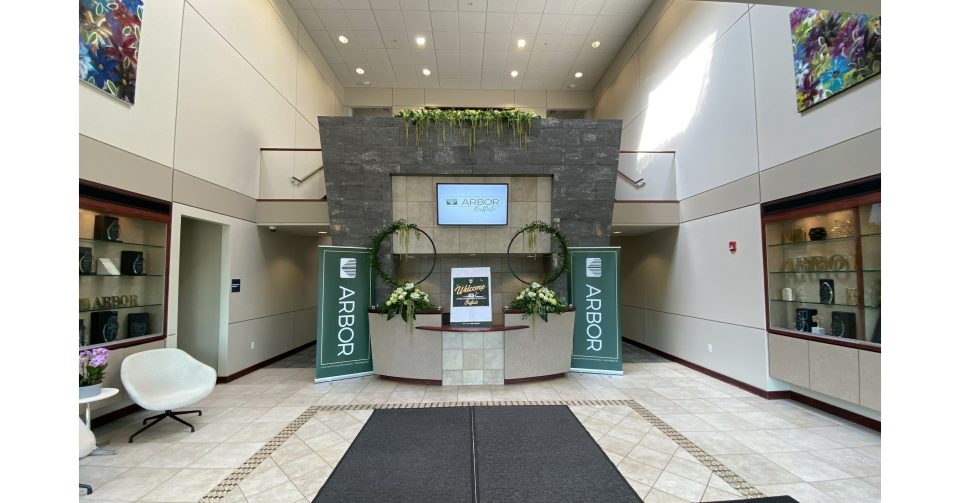
Commercial real estate lending has been a difficult business over the past two years, and few companies illustrate that better than Arbor Realty Trust, Inc. (NYSE: ABR). The real estate investment trust, which originates and services loans for multifamily and commercial properties through its Structured and Agency businesses, reported a net loss for the second quarter of 2026. The loss came to $37.3 million, or $0.20 per diluted share, a reversal from the $24 million profit the company posted in the same quarter a year earlier.
That kind of swing tends to draw attention, but the more interesting story sits a layer beneath the headline number. Distributable earnings, the measure Arbor and many mortgage REITs use to guide their dividend, came in at $0.10 per share, or $0.15 per share when excluding $9.6 million in realized losses tied to legacy asset resolutions. Despite the softer results, the company’s board declared a quarterly dividend of $0.17 per share, payable on August 28th to shareholders of record as of August 14th. At current prices, that dividend works out to an annualized yield of roughly 13.4%, a figure high enough that income focused investors will want to understand what sits behind it.
Part of the answer lies in how Arbor is managing its balance sheet. During July, the company repurchased $114.3 million of its own common stock at $5.42 per share, a price equal to about 49% of book value. Buying back stock at less than half of what the assets are notionally worth can be read two ways. It can look like a sound use of capital when a stock is undervalued, or it can raise questions about why the market is pricing the shares so far below net asset value in the first place. Either reading points to the same underlying issue, which is that credit stress in commercial real estate has not fully worked its way through the portfolio.
That stress shows up elsewhere in the results as well. The company recorded a $38.2 million provision for loan losses during the quarter, along with impairments tied to properties it has taken over through foreclosure. At quarter end, Arbor still had nineteen non-performing loans on its books with an unpaid principal balance of $428.8 million, plus three additional loans totaling $94.9 million that were classified as non accrual.[3] These are the kinds of figures that explain why distributable earnings have not kept pace with the dividend, and why the payout has already been trimmed once this year from a higher level.
The share price has reflected all of this. Arbor’s stock is down almost 38% since the start of 2026, a decline that has left it trading near its 52 week low and has pushed the dividend yield up mechanically even without a further cut to the payout itself. For a REIT that spent years building a reputation as a reliable income vehicle, that combination of a shrinking share price and a still generous dividend puts the sustainability question front and center.
None of this means the company is without options. The recent completion of a $375 million offering of convertible senior notes due 2029 gives Arbor room to redeem older, more expensive debt and to continue supporting its stock through buybacks. Whether that proves enough to stabilize the portfolio, or whether further provisions and dividend adjustments lie ahead, will likely depend on how quickly the remaining troubled loans get resolved and how commercial property values hold up over the coming quarters.
