
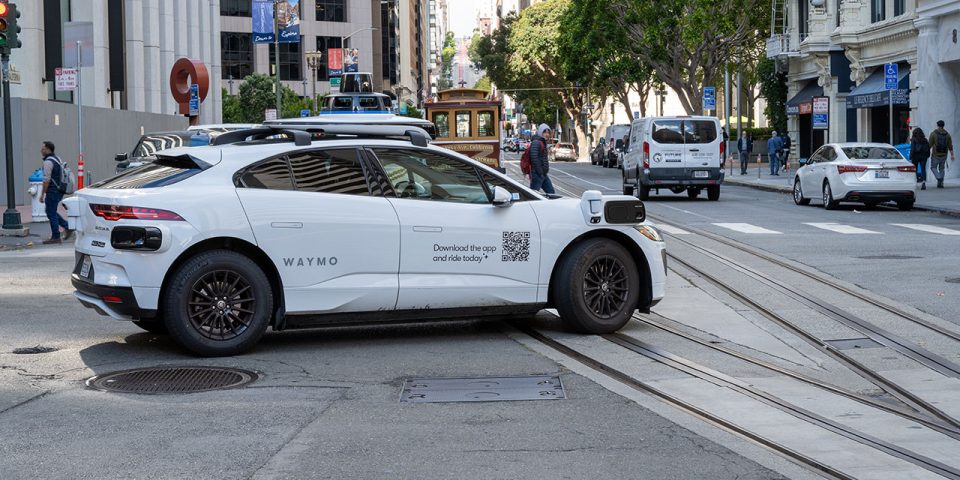
Waymo, the autonomous vehicle unit of Alphabet Inc. (NASDAQ: GOOGL), just announced it will start manual test drives in Baltimore, Pittsburgh, and St. Louis this week. These moves bring the company’s robotaxi efforts to 26 markets across the U.S., where it already runs fully driverless services in places like Phoenix, San Francisco, Los Angeles, and Austin. Riders in those cities now take over 250,000 Waymo trips weekly, a figure that has grown rapidly from just a few million paid rides total a couple of years back.
Think about what that means on the ground. In San Francisco, Waymo has grabbed around 22% to 27% of taxi journeys in its operating zones, even surpassing Lyft in some metrics. Tesla Inc. (NASDAQ: TSLA) pushes its Full Self-Driving software to consumer cars, aiming for robotaxi fleets, while General Motors Company (NYSE: GM) through its Cruise division focuses on urban robotaxis after scaling back post-incidents. Waymo stands out with its cautious mapping and testing phases before unleashing fully autonomous rides, logging over 100 million miles on public roads. Safety records back this approach: Waymo reports far fewer crashes per mile than human drivers, with mandatory disclosures showing most incidents involve other vehicles hitting parked Waymos. Competitors like Cruise faced setbacks after a 2023 pedestrian drag incident in San Francisco led to suspended operations and federal probes, highlighting how one mishap can stall progress.
Regulations add another layer in the U.S. States like Arizona and Texas offer friendly policies with minimal state oversight, letting companies like Waymo thrive, but California demands permits from bodies like the DMV and CPUC for driverless ops. The National Highway Traffic Safety Administration sets federal guidelines, yet lacks uniform rules, creating a patchwork that slows national rollout. Waymo navigates this by starting with human-driven tests in new spots, building data to win approvals for hands-off service down the line.
Globally, the picture shifts. China surges ahead with government backing; Baidu’s Apollo Go runs thousands of daily robotaxi rides in cities like Wuhan and Beijing, backed by mandates for AV testing and lower vehicle costs projected at $44,000 per unit this year. Europe trails due to strict EU data rules and fragmented national regs, with trials in Germany and the UK but no widespread commercial fleets yet. The U.S. AV market hit about $22.6 billion last year, led by Waymo’s commercial scale, while China’s testing volume dwarfs others thanks to unified support. Waymo holds an edge in proven, paying customers stateside, but Chinese firms eye international expansion to challenge that.
Safety concerns linger everywhere, from Waymo’s clean record to Tesla’s reported FSD crashes under probe and Cruise’s regulatory timeouts. Hurdles like these, plus scaling vehicle production and remote monitoring, will decide who pulls ahead. Waymo’s steady expansion suggests driverless rides could soon feel routine in more U.S. neighborhoods, reshaping how we move while regulators and rivals catch up.
