
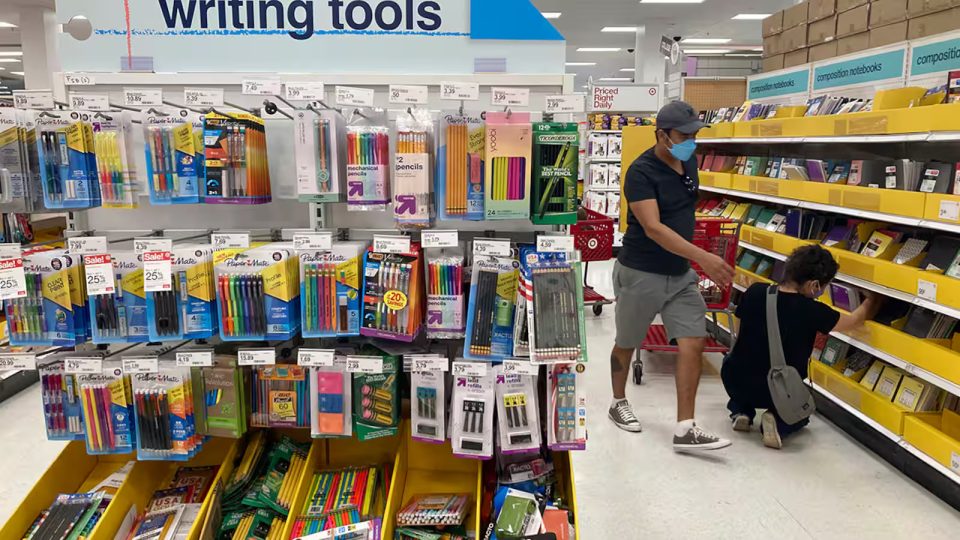
Retail sales in the U.S. increased 0.6% in August from July, supported largely by back-to-school shopping despite ongoing pressures from tariffs that are affecting employment and contributing to price increases. According to the Commerce Department’s report, this growth followed two months of spending declines in April and May, representing a modest but notable rebound for consumer spending in the late summer months. The retail gains in August spanned several sectors, with electronics, online retailers, and restaurants showing particularly strong results.
The increase in spending was likely influenced by consumers’ efforts to make purchases ahead of expected price hikes resulting from tariffs imposed earlier this year. Americans appeared keen to beat potential higher costs by buying goods before tariff increases take full effect, which added momentum to retail sales in August. Alongside back-to-school shopping, which traditionally boosts spending this time of the year, lower fuel costs and tax-free holidays also encouraged consumers to open their wallets a bit more.
Consumer activity in electronics and appliance stores rose 0.3%, while online retailer sales jumped 2% for the month. Dining establishments also enjoyed a boost, with business climbing 0.7%. These figures suggest that despite broader economic uncertainty, many shoppers continued to make discretionary purchases that go beyond basic necessities. At the same time, excluding the volatile auto sales category, which remains affected by tariffs on many foreign-made vehicles, retail sales rose 0.7% last month.
The backdrop to these retail gains remains challenging. Tariffs implemented during 2025 have led to an average 1.8% increase in consumer prices in the short term, effectively imposing an income loss of around $2,100 per household. This price pressure comes even as employment remains relatively stable at high levels, giving consumers some ability to prioritize essential spending and thoughtful purchases. However, the tariffs have also weighed on jobs, with payroll employment reported to be roughly 500,000 lower than it would have been without tariff effects, and the unemployment rate edging higher as a result.
This dynamic has created a complicated shopping environment where consumers balance rising prices with the desire to maintain purchasing power. Many are cutting back on less-essential services or delaying discretionary spending while focusing on household priorities, partly to offset the impact of tariffs on their budgets. Nevertheless, businesses in key retail categories such as electronics, online sales, and dining appear to have benefited from ongoing spending in August, buoyed by the back-to-school cycle.
While retail sales showed improvement in August, analysts note that the timing and cadence of shopping are shifting. Traditional retail seasons such as back-to-school are becoming less rigid as consumers spread out their purchases over longer periods. This change in shopping patterns means retail marketers are adjusting their strategies to reflect a more fluid consumer behavior that does not necessarily align with the historical calendar.
Looking ahead, the economy faces the dual pressure of persistent tariffs driving higher prices and the uncertain effects on jobs, which will likely continue to influence how Americans shop through the rest of the year. The latest retail data suggest that even with these challenges, consumers remain resilient and responsive to seasonal needs and pricing signals. However, the longer-term outlook for retail will depend on how tariffs evolve, employment trends, and how much inflationary pressures affect disposable incomes.
