
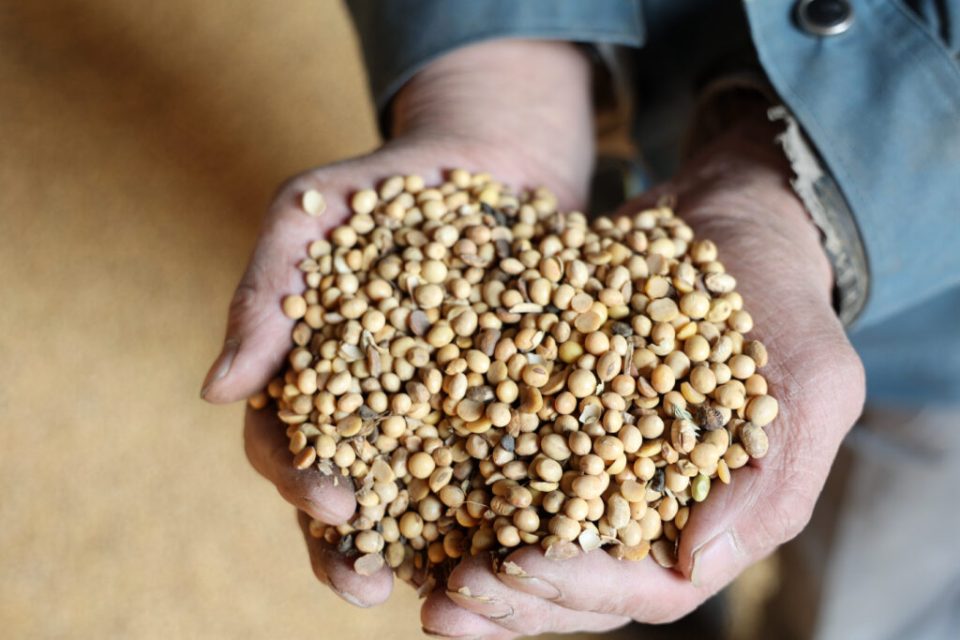
U.S. farmers are missing out on billions of dollars in soybean sales to China halfway through their main marketing season as stalled trade negotiations continue to keep shipments on hold. With talks between Washington and Beijing dragging, Chinese buyers are turning their attention to South American suppliers, who have stepped in to fill the gap left by American exports, according to traders and analysts tracking the market.
Chinese importers have already secured about 7.4 million metric tons of mainly South American soybeans for delivery in October, meeting 95% of China’s projected demand for the month. Additionally, they have booked roughly 1 million tons for November, which accounts for around 15% of the expected imports for that period. By comparison, at the same time last year, Chinese buyers had already committed to purchasing between 12 and 13 million tons of U.S. soybeans for shipments from September through November, underscoring the sudden and significant drop in American sales to their largest customer.
Typically, U.S. soybean exports to China peak between September and January, arriving before the Brazilian harvest significantly impacts the market supply. However, this year, traders report that Chinese buyers have yet to place any orders for U.S. soybeans for the new crop year, suggesting an ongoing absence in the market that usually generates substantial revenue for U.S. farmers. During the marketing year ending in August 2025, the U.S. sold about 22.9 million tons of soybeans to China, translating to $12.8 billion in sales in 2024, making China the largest buyer by a wide margin.
The shift away from U.S. soybeans is primarily driven by unresolved trade disputes between the two countries, which have resulted in tariffs and barriers that hinder American products’ competitiveness. Despite the importance of the Chinese market, stalled talks and high import duties have made U.S. soybeans more expensive compared to those from South America, especially Brazil and Argentina. Chinese tariffs on American soybeans remain elevated, at levels that buyers find prohibitive, effectively steering them towards more affordable South American options.
Brazil, the world’s largest soybean exporter, has benefited from record harvests and an expanded production capacity. This abundance, combined with the absence of Chinese tariffs, positions Brazilian soybeans as a far more attractive option for Chinese importers. Argentina and Uruguay are also increasing their shipments to China, with China boosting purchases of Argentine soybeans significantly in the recent months.
This supply shift comes with considerable consequences for U.S. farmers who have long relied on China as their top market. The American Soybean Association has issued warnings that prolonged trade disputes could push many farmers to the brink, especially as input costs rise and revenue from soybean sales declines. There are concerns among agricultural producers about the long-term implications of losing market share in China, as every day without a resolved trade agreement further erodes their position in what has historically been the most lucrative market segment for U.S. soybeans.
The rivalry between South American and U.S. soybean suppliers is not just about volumes but pricing and trade terms. South American farmers face no tariffs when exporting to China, unlike their American counterparts who deal with higher costs due to ongoing trade tensions. This price disadvantage for U.S. soybeans is a critical factor behind China’s increasing reliance on South American imports, a trend that could continue into the first half of 2026 given the expected record harvests in Brazil and strong yields elsewhere in the region.
While U.S. soybean producers wait on the outcome of trade negotiations, their Chinese buyers have largely turned to South America. This shift represents a major challenge for U.S. agriculture, forcing farmers and policymakers alike to grapple with a changing global soybean market. How quickly or effectively trade talks can reopen this essential market for American soybeans remains uncertain, but in the meantime, U.S. farmers face significant financial pressures as they lose billions in sales to their biggest customer.
