
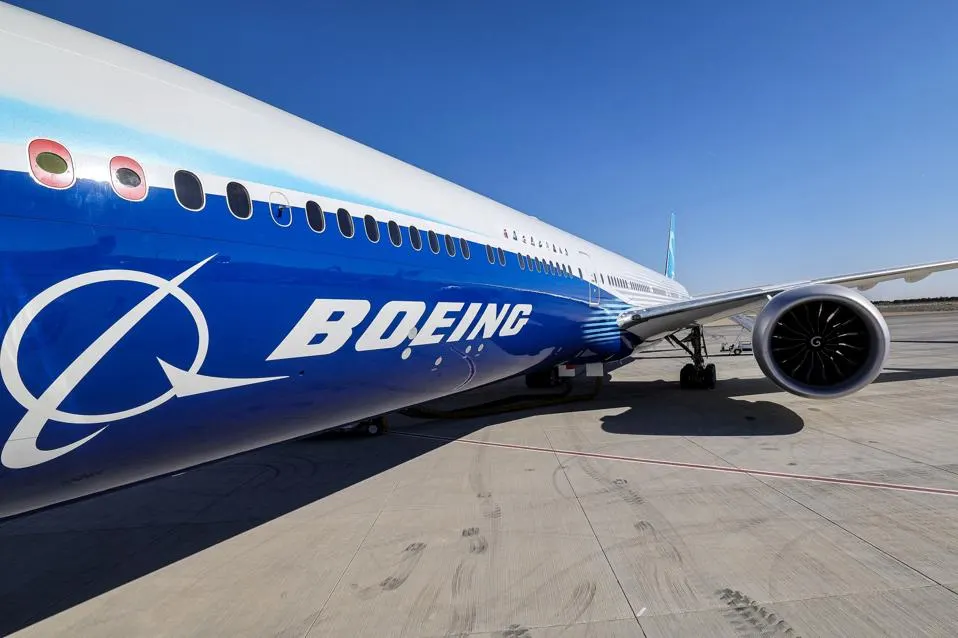
Boeing (NYSE: BA) is on the verge of a significant shift in how it handles aircraft deliveries, as the Federal Aviation Administration is expected to ease restrictions that have been in place since 2019. This move signals growing confidence among regulators in Boeing’s safety protocols after years of increased scrutiny following two tragic 737 MAX crashes. The change will allow Boeing to resume performing final safety inspections on its 737 MAX jets, a responsibility that the FAA had taken over in the aftermath of those accidents. Alongside this development, Boeing has secured major new orders from Turkish Airlines and Norwegian Air, both of which help boost the company’s near and medium-term prospects.
Since 2019, the FAA has had direct oversight on certifying Boeing aircraft, stepping in after the crashes of Lion Air Flight 610 and Ethiopian Airlines Flight 302 led to a global grounding of the 737 MAX fleet. This unprecedented level of federal intervention meant Boeing lost the ability to self-certify aspects of its planes. While the FAA is continuing to limit 737 MAX production to 38 planes per month following a midair cabin blowout incident earlier this year, the easing of delivery restrictions will restore Boeing’s authority for final safety checks. Responsibility for airworthiness certificates will be shared between Boeing and the FAA, alternating on a weekly basis. This change is expected to reduce delivery bottlenecks and grant Boeing more flexibility in managing its production backlog, critical as demand recovers post-pandemic.
The regulatory shift arrived amid Boeing’s ongoing efforts to repair its reputation and operational stability. This week, the aerospace manufacturer announced two substantial aircraft orders that highlight customer confidence returning to its flagship products. Norwegian Group confirmed a purchase of 30 Boeing 737-8 jets, the airline’s first direct Boeing acquisition since 2017. This deal raises Norwegian’s 737 MAX backlog to 80 aircraft, supporting the airline’s goal to maintain one of the most modern and fuel-efficient fleets in Europe. Norwegian’s CEO, Geir Karlsen, described the order as a milestone secured on attractive terms that aligns with the airline’s sustainability and growth targets. He emphasized that the new aircraft will both lower emissions and improve the passenger experience, mirroring the industry’s push toward greener operations.
Turkish Airlines took an even more ambitious step by placing its largest order yet for widebody aircraft, committing to buy up to 75 Boeing 787 Dreamliners. This order includes 35 Boeing 787-9s and 15 Boeing 787-10s, with options for an additional 25. Furthermore, the airline signaled plans to acquire as many as 150 of Boeing’s 737 MAX single-aisle planes, marking what would be its biggest single-aisle order ever. Prof. Ahmet Bolat, Chairman of Turkish Airlines’ Board, framed this deal as a reflection of the airline’s leadership and commitment to innovation. Boeing’s CEO for Commercial Airplanes, Stephanie Pope, highlighted the trust this order signifies in Boeing’s 787 and 737 MAX programs and underscored their long-standing partnership with Turkey, which spans eight decades and includes a $2 billion investment in regional supply chain development supporting thousands of jobs.
These large orders not only contribute revenue visibility but also reinforce Boeing’s position amid a competitive recovery in the aviation sector. The agreements come as airlines worldwide seek to modernize fleets with more efficient and environmentally friendly aircraft to meet growing travel demand while tackling emissions targets. Norwegian’s emphasis on fleet modernization and Turkish Airlines’ scale signals a broader industry trend toward long-term investments despite recent economic uncertainties.
In addition to aircraft sales, Boeing is expanding its technological collaborations, recently partnering with Palantir Technologies to accelerate artificial intelligence applications in defense and space operations. This partnership fits into Boeing’s broader strategy to integrate advanced software and analytics across its commercial and military sectors, further diversifying its capabilities beyond manufacturing planes.
The FAA’s anticipated rollback of delivery restrictions and the robust new aircraft orders suggest Boeing is navigating its regulatory challenges and customer trust issues with some traction. The easing of oversight marks a notable step forward in normalizing operations, while the significant airline contracts signal confidence in Boeing’s products as the aviation industry moves forward into the latter half of the decade.
