
Natural gas prices jumped about 25% on Tuesday as roughly half the U.S. readies for a major winter storm set to arrive this weekend. The National Weather Service predicts hazardous cold, freezing rain, and heavy snow starting Friday and lasting into next week across much of the eastern U.S., from the southern Rockies to the East Coast. Households that rely on natural gas for heat will feel this weather shift most directly through their utility bills.
Markets react fast to weather forecasts. Traders saw the cold coming and bought natural gas futures, pushing prices up 25% in a single day, one of the biggest moves in years. Natural gas serves as the main fuel for home heating in about half of U.S. households, so demand spikes when temperatures drop. This creates a simple supply and demand dynamic: more people turn up the thermostat, and sellers raise prices to match.
The storm brings bitter wind chills down to -50°F in parts of the Upper Midwest and Northern Plains, with ice storms threatening Texas and the Deep South. Such conditions force families to run heaters nonstop, sometimes for days. Production can slow too if extreme cold freezes wells or pipelines, adding upward pressure on costs. Think of it like a crowded store before a snow day: everyone rushes in at once, and prices climb.
Consumers face real pain at the pump, but for natural gas, the sting comes later on monthly bills. An average home might see heating costs near $1,000 from November through March this winter, and this storm could push February statements even higher. That 25% price jump means utilities pass on the increase, often with a lag of weeks. A family heating a 2,000 square foot home could pay dozens more per week during peak cold, depending on local rates and insulation.
Affordability adds stress amid rising groceries and housing costs. Low income households spend up to 10% of income on energy, far above the national average. Programs like LIHEAP offer aid, but funding often falls short during big demand surges. Small changes in wholesale prices amplify into noticeable jumps on bills, sometimes 20-30% higher month over month in harsh winters.
Natural gas prices stay volatile because weather drives short term swings, while long term trends pull in other directions. The U.S. Energy Information Administration forecasts prices to ease slightly in 2026 overall, averaging under $3.50 per million British thermal units (BTU), down 2% from last year. But demand from liquefied natural gas exports and power plants could reverse that in 2027, lifting prices 33%.
Businesses watch closely too. Factories and power generators compete with homes for supply, and tight markets raise costs across the board. Analyst Tom Kloza notes that scarcity ripples to diesel and heating oil, forcing some firms to switch fuels. For now, this storm underscores how nature still rules energy markets, no matter the forecasts.
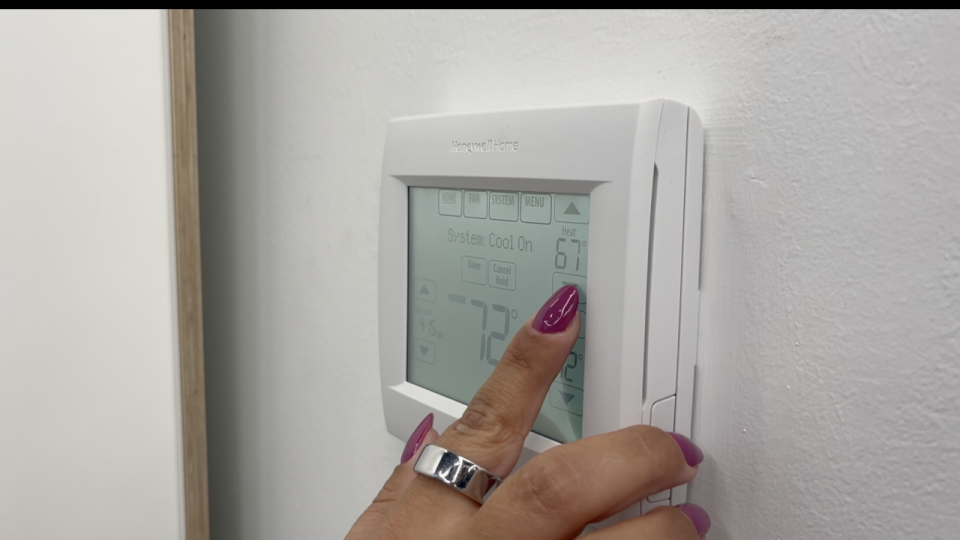
Regional differences play a big role: homes in the Northeast that use natural gas often see sharper bill increases compared to houses in warmer southern states. Families can cut back a bit by using smart thermostats at 68°F, sealing drafts around doors and windows, or simply wearing extra layers inside. In the end, though, everyone deals with the reality of colder weather driving up demand and costs. Events like this storm show how closely our energy expenses connect to whatever Mother Nature throws our way.
