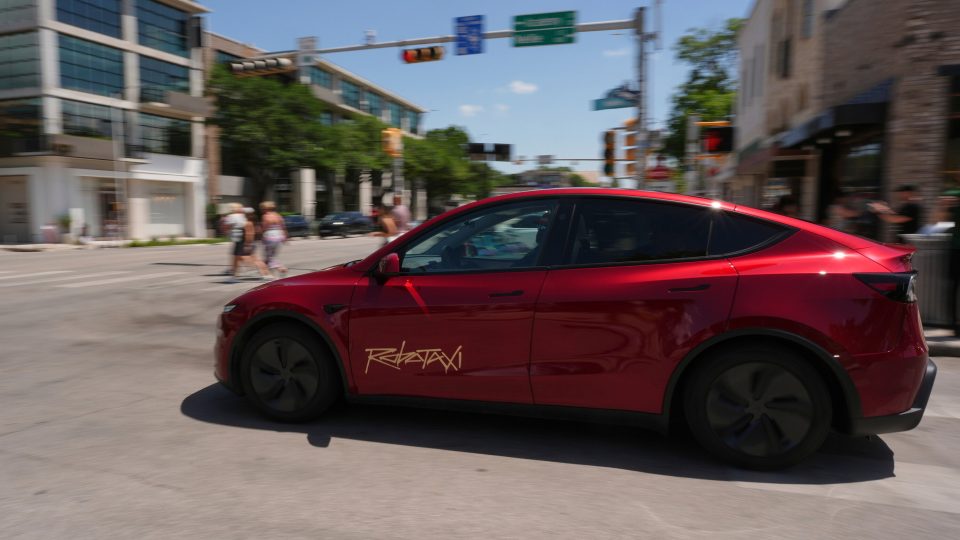
When you hail a ride these days, the idea of a driverless car pulling up might still feel like science fiction in most places. Robotaxis, those fully autonomous vehicles built to ferry passengers without anyone at the wheel, have mostly stuck to familiar testing grounds like San Francisco and Las Vegas so far. Amazon’s Zoox unit is now changing that by beginning mapping and testing efforts in Dallas and Phoenix. These sunbelt cities bring hotter weather, wider highways, and suburban sprawl into the mix, pushing the technology to adapt beyond dense urban cores.
Zoox, Inc., a subsidiary of Amazon.com, Inc. (NASDAQ: AMZN), plans to send out a small group of modified Toyota Highlander SUVs to these cities first. Teams will drive them manually at the start to collect detailed maps of local streets, traffic patterns, and obstacles. After that, the SUVs will switch to autonomous mode with a safety driver on board to gather real data on how the tech handles real world conditions. Only later will the company bring in its signature boxy, bidirectional robotaxis that lack steering wheels or pedals.
These new locations offer unique challenges that help refine the system. Phoenix brings extreme heat, dust storms, and long freeways where speeds pick up quickly. Dallas adds rain, complex intersections, and sprawling suburbs that stretch testing beyond crowded downtowns. Zoox notes this variety lets them check sensors and batteries under stress they have not faced as much before. In a company blog, they highlight how Phoenix tests equipment in harsh desert conditions while Dallas sharpens AI for shifting weather and road layouts.
This expansion fits into a larger push across the U.S. Zoox already runs in eight other spots: Las Vegas, San Francisco, Seattle, Austin, Los Angeles, Miami, Atlanta, and Washington, D.C. With Dallas and Phoenix, that hits ten markets total. The company has logged over a million miles in autonomous driving and served more than 300,000 passengers so far, mostly through free ride programs in Vegas and parts of San Francisco. Riders there summon the vehicles via an app for point to point trips, much like calling an Uber.
To support this growth, Zoox is setting up new depots in both cities for vehicle storage and maintenance. They are also opening a Fusion Center in Scottsdale, Arizona, near Phoenix. This hub will employ teams for remote monitoring, helping cars navigate tricky spots or assist passengers in real time. The company expects these steps to create hundreds of local jobs in operations and support roles.
Behind the scenes, Zoox builds momentum in a crowded field. Alphabet’s Waymo led with paid robotaxi service in Phoenix back in 2020 and now eyes Dallas too. Tesla pushes its own full self driving tech toward robotaxi goals, while others like Cruise recover from setbacks. Zoox bought by Amazon for $13 billion in 2020, stands out with its from scratch vehicle design. The firm recently started a big factory in the Bay Area aiming for 10,000 units a year eventually.
Still, hurdles remain. Federal regulators at the National Highway Traffic Safety Administration gave Zoox a limited exemption last year to test its pedal less vehicles on public roads. Full commercial approval for paid rides needs another green light, plus local permits in each state. Arizona’s friendly rules on autonomous tech make Phoenix a smart pick historically, but Texas demands careful navigation of its own regulations.
Advances in AI and sensors drive this progress. Early robotaxis relied on basic lidar and cameras, but newer systems process data faster to predict pedestrian moves or sudden lane changes. Zoox’s approach integrates these into vehicles built only for passengers, with seats facing each other and big windows for a fresh ride feel. Free rides now build public trust and spot software bugs before money changes hands.
Competition heats up as robotaxis promise to cut costs over human drivers, who take about 40% of ride hail expenses. If scaled, they could transform urban transport by reducing traffic from empty return trips and offering 24/7 service. Investors watch closely, with Waymo valued high and Tesla tying robotaxis to its future growth. Zoox’s steady mapping and testing show a patient build toward that vision.
Phoenix and Dallas mark real steps in proving robotaxis work everywhere, not just in perfect conditions. As Zoox hires locally and refines its tech, the U.S. autonomous market takes shape with jobs, innovation, and eventually cheaper rides for all.
