
Trade policy often hinges on laws few people think about every day. The International Emergency Economic Powers Act, or IEEPA, sits at the center of one such debate right now. Passed in 1977, this law lets the president act quickly during national emergencies to control imports, exports, and financial transactions with other countries. Presidents have used it before for things like freezing assets of foreign governments or blocking deals that threaten security. For example, it helped respond to events like the Iran hostage crisis decades ago. No one had tried it for broad tariffs until recently.
In 2025, President Trump turned to IEEPA to impose what became known as sweeping tariffs on imports. These started in phases. First, they hit products from most major trading partners to tackle large trade deficits labeled as a national emergency. Then, between February and later months, additional levies targeted goods from China, Canada, and Mexico. The goal included curbing fentanyl trafficking across borders. Importers paid an estimated $133.5 billion (about C$184 billion or €120 billion equivalent) from early February to mid-December 2025, with totals now nearing $150 billion.timesofindia.
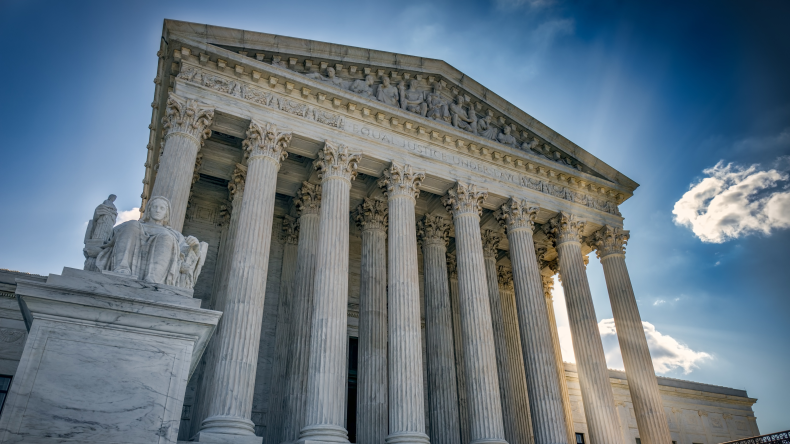
Lower courts in 2025 found these tariffs went beyond what IEEPA allows. They let the duties stay in place during appeals, but companies challenged them hard. Hundreds filed suits in the U.S. Court of International Trade seeking refunds. Oral arguments reached the Supreme Court on November 5th last year, with justices from both sides voicing doubts. They questioned if “regulate importation” in the law meant imposing taxes like tariffs, or just things like licenses or bans. Some raised bigger issues, like whether Congress gave away too much power to the president on matters affecting trillions in trade.
People expected a ruling today. That changed. The court announced this case will not come out with other decisions scheduled for Friday. Businesses and markets wait longer for clarity.
A win for the administration keeps these tariffs intact. Revenue flows continue to fund priorities, and the president holds leverage in talks with trade partners. Global supply chains adjust around the duties already in place. China, Canada, Mexico, and others face ongoing pressure to negotiate better terms on issues like drugs or deficits.
Rulings against the administration bring bigger shifts. The court might strike down IEEPA use for tariffs entirely. Importers could claim back up to $150 billion. That creates headaches for government agencies like Customs and Border Protection. Refunds might take years due to bureaucracy. Companies need detailed records of payments to qualify. Firms like Costco filed early protective suits to lock in refund rights on items such as camera gear or bulk goods.
Economically, manufacturing feels the pinch first. Higher input costs from tariffs raise prices for steel, electronics, and auto parts. Consumers see it at checkout with pricier everyday items from clothes to appliances. Sectors tied to imports, like retail and construction, pass costs along or eat thinner margins. Global partners retaliate sometimes, hitting U.S. exports such as farm goods or aircraft. Gold markets watch closely too. Tariff uncertainty boosted prices as a safe haven, though investment gold got exemptions.
Even if IEEPA tariffs fall, the White House has options. National Economic Council Director Kevin Hassett addressed this on CNBC’s “Squawk on the Street.” He noted a big call the night before with top officials to map next steps. Other laws offer paths forward. Section 232 of the 1962 Trade Expansion Act covers national security threats after Commerce Department probes, good for targeted industries like steel. Section 301 from the 1974 Trade Act targets unfair practices by specific countries. Section 338 of the 1930 Tariff Act fights discrimination against U.S. commerce. Section 122 allows short-term surcharges up to 15% for balance-of-payments crises, capped at 150 days.
These alternatives lack IEEPA’s speed and breadth. They require investigations or focus on certain nations, so recreating sweeping levies takes time and effort. Still, Hassett signaled readiness to pivot. The administration views tariffs as key to defending jobs and security. A loss tests that resolve but does not end the push.
Businesses prepare either way. Supply chain managers stockpile ahead of uncertainty. Importers file claims early. Exporters eye retaliation risks. Lawmakers might step in with new trade rules if courts limit executive power. The balance between Congress setting taxes and presidents handling foreign threats gets redefined. For now, trade flows under current rules while all eyes stay on the court.
