
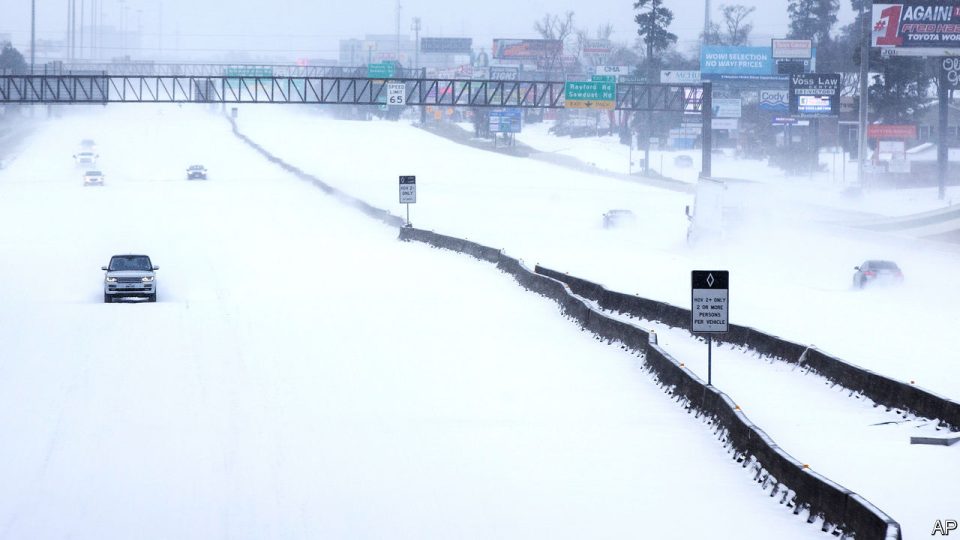
Texas rarely deals with the kind of deep freeze that disrupts daily life, yet this weekend’s storm threatens exactly that for millions across the state. Temperatures in north Texas cities like Dallas could fall to 23 degrees by Sunday, marking the season’s coldest snap so far. An ice storm looms large, coating roads and straining the power grid managed by the Electric Reliability Council of Texas, or ERCOT, which oversees electricity for about 90% of the state. ERCOT has issued a Weather Watch from January 24 to 27, signaling high demand and potential vulnerabilities ahead.
The year 2021 offers a stark reminder of what can go wrong. A brutal winter storm called Uri swept through in February, dropping temperatures below zero and blanketing the state in snow and ice. Power outages lasted for days, affecting over four million customers, while rolling blackouts hit businesses and homes alike. Natural gas supplies froze in pipelines, wind turbines iced over, and coal plants failed under the load, even as demand soared 50% above normal levels. Tragically, hundreds died from hypothermia or carbon monoxide poisoning as desperate measures to stay warm backfired. Economic damages exceeded $200 billion, with food spoilage alone costing billions for grocers and restaurants.
Businesses felt the full weight of that chaos. Factories shut down without power, leading to halted production lines and spoiled raw materials. Retail stores closed as employees could not reach work on treacherous roads, and perishable goods in freezers thawed out during outages. Supply chains broke down when trucking companies faced iced highways, delaying shipments of everything from parts to consumer products. Small businesses, in particular, struggled to recover, with many dipping into savings or taking loans just to reopen weeks later. The event exposed how interconnected operations rely on steady power and clear routes.
Since 2021, Texas made real changes to toughen up. Lawmakers required power plants and gas facilities to winterize equipment, like insulating pipes and turbines against ice buildup. ERCOT introduced better emergency alerts, reserve power mandates, and more rigorous weather drills for operators. Utilities invested heavily in upgrades, aiming to prevent the cascading failures seen before. The grid stays isolated from the national network, which speeds internal trading but limits outside help during peaks. These steps show progress, yet this storm provides the first major test in years.
Supply chain disruptions stand out as a key worry this time. Manufacturers depend on just-in-time deliveries, so even brief road closures from ice could idle assembly lines and rack up overtime costs. Parts shortages might ripple through automotive, electronics, and food processing sectors, where Texas plants feed national markets. Retail faces immediate hits too, with stores losing weekend sales if power flickers or customers stay home. Big box chains might shift to online orders, but warehouses could falter without reliable electricity for refrigeration or conveyor systems. E-commerce fulfillment centers, clustered around Dallas and Houston, risk delays if staff call out or trucks ground to a halt.
Broader effects touch nearly every corner of the economy. Restaurants and hotels could see canceled reservations as travelers avoid risky drives, cutting into winter revenue. Construction projects pause because concrete sets poorly in subfreezing conditions, and crews prioritize safety over progress. Agriculture takes a blow, with ranchers monitoring livestock for cold stress and citrus farmers recalling 2021 crop losses over $500 million. Data centers powering cloud services might lean on backup generators, but fuel delivery issues plagued the last event. Wholesale electricity prices could spike dramatically, from routine $50 per megawatt-hour to thousands, squeezing budgets across industries. Daily economic output drops by about $10 billion per outage day, per Federal Reserve estimates, threatening jobs and growth.
Energy firms, a pillar of Texas business at 40% of state GDP, watch demand forecasts closely. Higher heating needs push usage up, testing generation capacity amid the cold. Hospitals and emergency services prepare with extra staff and fuels, but any shortfall affects patient care. Insurance companies brace for claims on burst pipes and vehicle accidents, learning from past surges. Remote work options help offices, yet field services like plumbing or delivery grind slower in the weather.
Texas enterprises that stockpile essentials, diversify suppliers, and drill response plans fare best. Clear communication with teams builds trust during uncertainty. This storm underscores weather as a business factor, much like market shifts or regulations. Resilience turns challenges into chances to refine operations for the long haul.
